LABOUR plans to end Freeview telly risks a communications blackout during a crisis, a Parliamentary probe has warned.
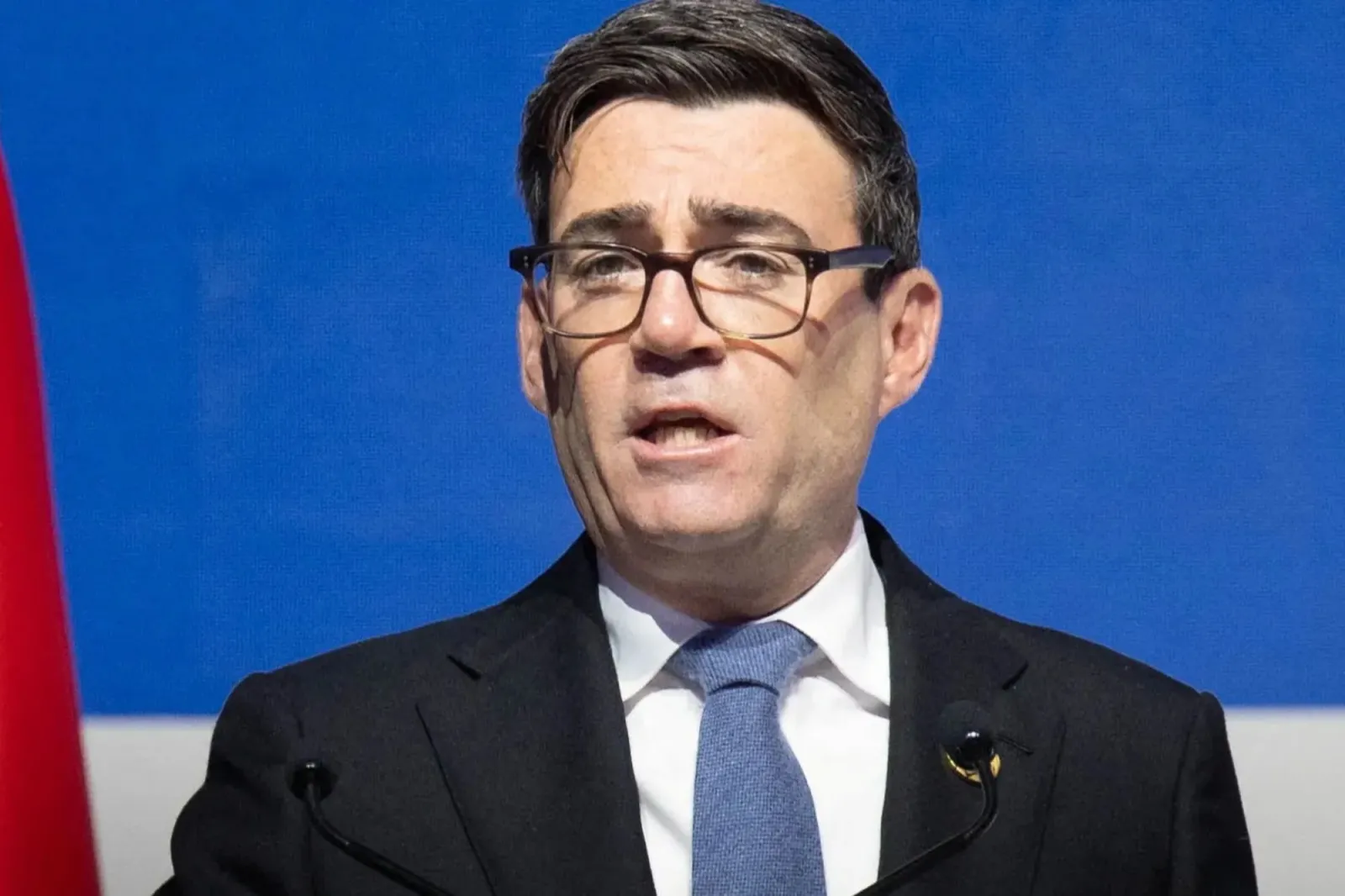
A cross-party group of peers has urged Andy Burnham to abandon the switch-off "which risks weakening national resilience by reducing universal access to communication".
Ministers are proposing to scrap free-to-air TV as soon as 2034 and move all services online instead.
The controversial bid could clobber an estimated eight million households that do not have their TV hooked up to the internet.
But the Lords National Resilience Committee has warned that this would expose the country in times of emergency and present "a significant resilience weakness".
It says: "We recommend that the Government should abandon its plan to switch off Digital Terrestrial Television, which risks weakening national resilience by reducing universal access to communication."
A spokesperson for campaign group Broadcast 2040+ said: "We welcome this clear recommendation from the committee, which further highlights the importance of protecting terrestrial television.
"At a time of growing threats, switching it off would be a mistake we cannot fix.
"Ministers should take this recommendation seriously and commit to a long-term future for terrestrial TV until at least 2044."
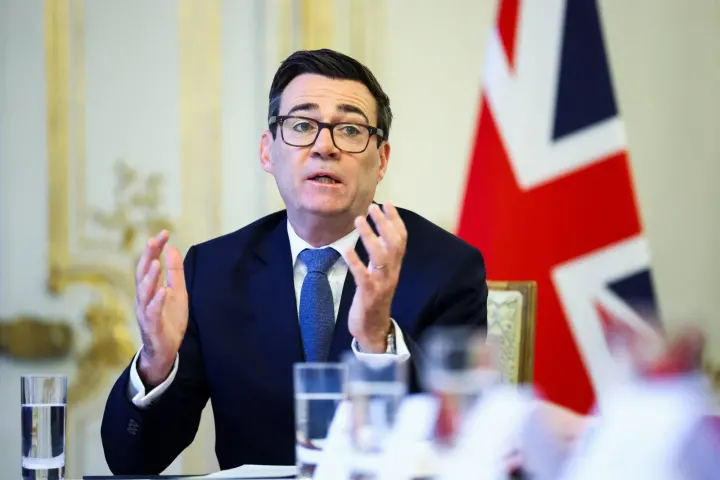
Mr Burnham has previously said he is "concerned" by the plans and will review them following pressure from The Sun's Save Our Sets campaign.
What Is Freeview and How Does Digital Terrestrial Television Work?
Freeview is the United Kingdom's free-to-air digital terrestrial television (DTT) service. It delivers a range of public-service channels, news, and emergency alerts via a network of transmitters that broadcast signals over the air. Viewers receive the signal using a standard aerial and a set-top box or a TV with an integrated tuner.
The system was launched in 2002 to replace analogue broadcasting. Because the signal travels over the air, it does not depend on broadband, mobile data, or satellite links. That independence makes DTT a reliable fallback when other communications networks fail.
Why Ministers Want to End Freeview by 2034
Government officials argue that moving all television services online will modernise the media landscape, reduce the cost of maintaining the ageing transmission infrastructure, and reflect the growing share of viewers who already watch via internet-connected devices. The proposal, first tabled in a 2022 White Paper on digital policy, sets a target to switch off DTT no later than 2034.
Supporters claim that an online-only model will free up spectrum for mobile broadband, improve picture quality through streaming, and align the UK with other European markets that have already reduced reliance on terrestrial broadcast.
Who Would Be Affected by the Switch-Off?
The Lords National Resilience Committee estimates that about eight million households currently lack an internet connection capable of delivering live television. These homes often belong to older adults, low-income families, and residents in rural or remote areas where broadband rollout is still incomplete.
For these households, Freeview is the only source of real-time news, weather warnings, and public-service announcements. In a crisis, such as a severe weather event, a terrorist incident, or a pandemic, broadcast alerts can reach viewers instantly, even when mobile networks are congested or offline.
What Does the National Resilience Committee Say?
The cross-party Lords National Resilience Committee issued a formal recommendation stating: "We recommend that the Government should abandon its plan to switch off Digital Terrestrial Television, which risks weakening national resilience by reducing universal access to communication." The committee warned that the proposed shutdown would create "a significant resilience weakness" that could leave the nation exposed during emergencies.
Committee members highlighted three core concerns:
- Loss of a universally accessible emergency broadcast channel.
- Potential exclusion of eight million households from live news and public-service content.
- Increased reliance on internet infrastructure that may be vulnerable to cyber-attacks or overload.
Reaction From Campaign Groups and the Public
Broadcast 2040+, a coalition of broadcasters, consumer groups, and technology firms, issued a statement: "We welcome this clear recommendation from the committee, which further highlights the importance of protecting terrestrial television. At a time of growing threats, switching it off would be a mistake we cannot fix. Ministers should take this recommendation seriously and commit to a long-term future for terrestrial TV until at least 2044."
The group argues that the government should not abandon DTT until a proven, inclusive alternative is in place, and that any transition plan must guarantee that no household loses access to emergency information.
Andy Burnham's Position and Political Pressure
Manchester's mayor, Andy Burnham, who chairs the Greater Manchester Combined Authority, has publicly expressed "concern" about the proposed switch-off. He said he will review the plans after pressure from The Sun's "Save Our Sets" campaign, which has rallied viewers who rely on Freeview.
Burnham's comments reflect broader political tension. While the Labour-led national government pushes the digital transition, opposition parties and regional leaders worry about the social impact on vulnerable communities.
Potential Consequences of a Communications Blackout
In a worst-case scenario, a major emergency occurring after the DTT switch-off could leave millions without a reliable source of official information. Past incidents, such as the 2018 UK floods and the 2020 COVID-19 lockdown, demonstrated how quickly mobile networks can become overloaded. Broadcast alerts, delivered via the Emergency Alerts Service on Freeview, have historically cut through such congestion.
Without a terrestrial channel, the government would need to rely on mobile push notifications, social media, and internet streaming, all of which can be disrupted by power outages, cyber-attacks, or infrastructure damage.
What Comes Next? Timeline and Next Steps
The government has not set a definitive date for the final decision, but the 2034 target remains the benchmark in the current policy draft. The next parliamentary session will likely see a debate on the Lords committee's recommendation, and a vote may be scheduled to amend the White Paper.
Stakeholders, including the Broadcast 2040+ coalition, are expected to submit further evidence to the committee, focusing on technical feasibility, cost-benefit analysis, and the social impact on the eight million households.
For viewers, the practical takeaway is to stay informed about the timeline, consider alternative ways to receive emergency alerts (such as radio or mobile alerts), and engage with local representatives if they rely on Freeview for news.
Until a final decision is made, the status quo, Freeview remaining on air, continues, but the debate highlights a pivotal moment for UK communications policy.