Canada Urges Residents to Keep Emergency Supplies for Three Days
Canada is maintaining its longstanding advice for households to prepare for at least three days without electricity or running water, as several other countries promote similar emergency precautions. Public Safety Canada spokesperson Zarah Malik said Canadians have received this guidance for years. The recommendation asks people to meet their own household needs for a minimum of 72 hours during an emergency.
However, the agency stresses that three days is only a starting point. Emergency crews may need longer to reach some communities, while restoring essential services can also take additional time. This baseline guidance serves as a crucial metric for municipal and federal disaster planners seeking to reduce the initial burden on first responders during large-scale crises.
Understanding Canada Emergency Preparedness Guidelines
Public Safety Canada has long championed the 72-hour rule as a standard benchmark for domestic readiness. The rationale is simple yet vital, as first responders must prioritize life-safety operations, hospital support, and critical infrastructure restoration immediately following a major disaster. Households that can sustain themselves for the first three days allow rescue personnel to focus their limited resources on vulnerable populations and severely impacted zones.
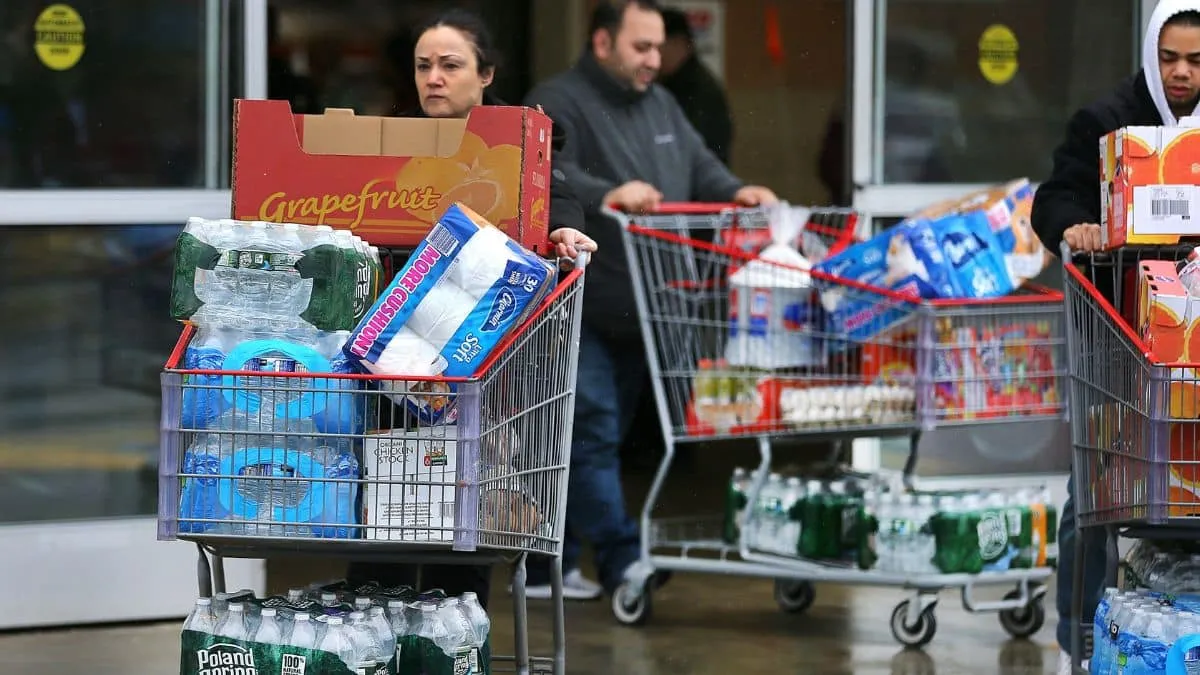
The standard checklist typically includes potable water, non-perishable food items, battery-powered radios, flashlights, extra batteries, first aid kits, and necessary medications. Local municipalities often distribute pamphlets and host community workshops to reinforce these habits. Despite these ongoing awareness campaigns, emergency management officials frequently find that public compliance fluctuates depending on recent disaster visibility in the media.
International Shifts Toward Household Preparedness
Global interest in household emergency readiness has accelerated recently, with multiple nations updating or launching public awareness campaigns. The United Kingdom launched its Be Ready campaign on October 22. Officials encouraged households to keep three days of bottled water and non-perishable food in case severe weather or cyberattacks interrupt essential services. Some British retailers subsequently reported higher sales of basic supplies following the government announcement.
British Prime Minister Andy Burnham also encouraged residents to keep essentials at home. He said unexpected disruptions appeared to be happening more frequently. Meanwhile, authorities in Normandy, France, used an October 27 social media post to urge residents to pack an emergency bag with enough essentials for 72 hours. They encouraged people to prepare before a crisis develops.
Japan also launched a national disaster management agency on Monday. Its broader program focuses largely on earthquake preparedness. As part of that effort, officials asked residents to review evacuation arrangements and store at least three days of water and portable toilet supplies.
Expanding the Baseline Beyond Seventy-Two Hours
While the seventy-two-hour mark remains the official baseline, disaster experts increasingly advise extending domestic stockpiles. Bernier urged Canadians to prepare enough supplies for at least a week rather than stopping at the three-day minimum. She said families should consider the possibility that emergency responders may not reach them during the first seven days. She also recommended keeping a go-bag ready in case authorities order an evacuation.
Extending preparedness from three days to seven days involves acquiring additional non-perishable food, water purification tablets, and expanded medical provisions. For families with infants, elderly members, or pets, the logistical requirements scale upward significantly. Urban residents face different challenges compared to rural populations, as apartment dwellers must manage limited storage space while relying on municipal water systems that depend entirely on electrical pumps.
Cyberattacks and Infrastructure Vulnerabilities
Modern emergency planning increasingly accounts for non-weather threats, including digital disruptions to critical supply chains. A cyberattack on European supermarkets disrupted refrigerators and freezers from Sweden to Belgium. The incident forced stores to discard food and followed a similar attack in France the previous month. These events highlight how interconnected retail supply networks remain vulnerable to malicious software and network infiltration.
When supermarket refrigeration systems fail on a regional scale, local food availability drops instantly. Households that rely on daily grocery shopping rather than pantry reserves find themselves exposed to sudden shortages. Authorities point to these cyber incidents as clear proof that supply chain failures can occur without any preceding natural disaster or severe weather warning.
Practical Steps for Household Emergency Storage
Building a reliable emergency supply requires careful planning and regular maintenance of stored items. Water requirements form the most critical component, with agencies recommending four litres of water per person per day for drinking and sanitation. Food items should require minimal or no cooking, refrigeration, or water to prepare, ensuring they remain edible even if utilities fail completely.
- Store at least four litres of water per person per day for drinking and sanitation needs.
- Keep a supply of ready-to-eat non-perishable foods that match dietary requirements.
- Maintain a manual can opener, flashlights, and extra batteries in an accessible location.
- Assemble a grab-and-go bag containing personal documents, cash, and medications.
Rotating stock ensures that food and water supplies do not expire during storage. Families should check their emergency kits at least twice a year, often aligning the task with daylight saving time changes. Documenting emergency contact numbers on paper rather than relying solely on mobile phones provides a dependable backup if telecommunication towers lose power.