Muslim Scholars in Libya Issue Fatwa Against Nike Products
Muslim scholars in Libya have issued a fatwa on Nike, prohibiting Muslims from buying, selling or wearing Nike-branded clothing, arguing that the sportswear company promotes symbols associated with polytheism. The ruling, delivered by the religious authority in the country, targets both the corporate identity of the American sportswear giant and its perceived geopolitical alignments, marking a significant development in the intersection of religious rulings and international commerce in North Africa.
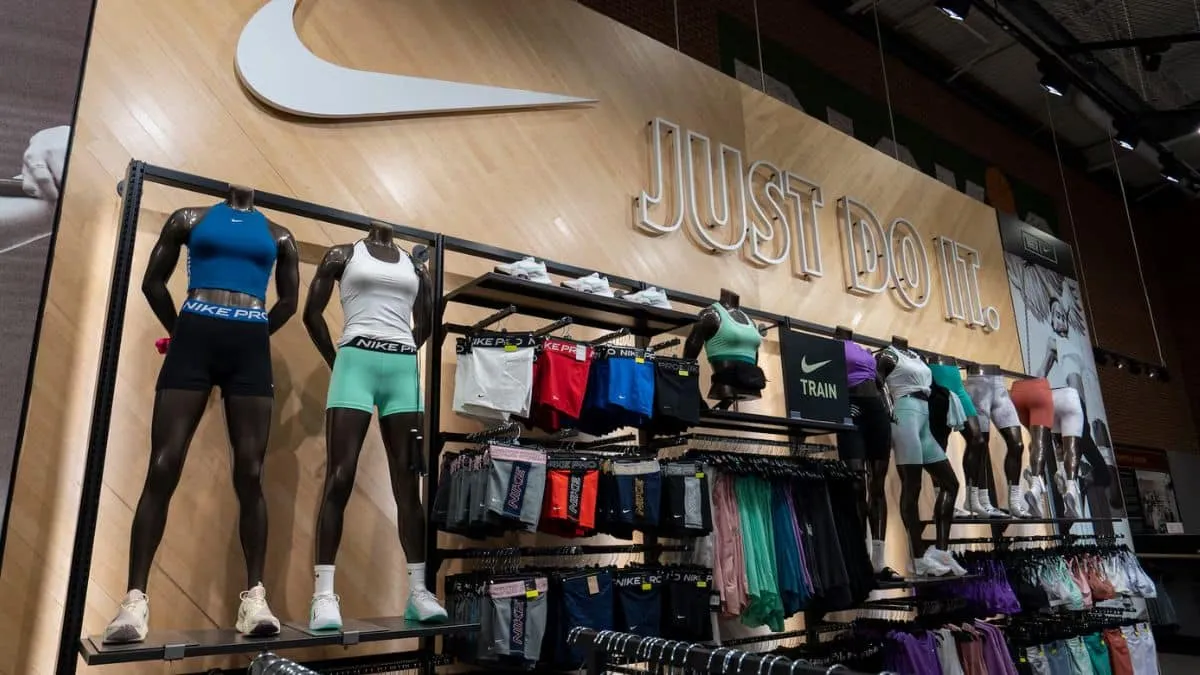
The Dar al-Ifta linked its ruling to the brand's name and logo. It said Nike takes its name from the ancient Greek goddess of victory and claimed that wearing its logo amounted to worshipping more than one god. Grand Mufti Sadiq al-Gharyani approved the fatwa. Although the religious body holds considerable influence, its rulings do not carry legal force.
Understanding the Dar al-Ifta and Fatwa Rulings in Libya
The Dar al-Ifta functions as a prominent religious institution in Libya, issuing guidance on various aspects of daily life, commerce, and faith for the Muslim population. While fatwas represent religious opinions rather than statutory laws passed by a legislative body, they carry substantial weight among observant citizens and communities. Religious scholars within the institution study contemporary issues and apply traditional jurisprudence to modern products, corporations, and social behaviors.
In its ruling, the Dar al-Ifta's religious committee said Nike's name comes from Greek mythology. It also said the company's tick-shaped logo draws inspiration from the goddess's wings. The American sportswear company traces its origins to 1964 and uses the Greek goddess's name. Scholars argue that adopting symbols connected to ancient deities contradicts strict monotheistic principles in Islam, which prohibits associating partners with God.
Historical and Cultural Context of Greek Mythology in Libya
The reference to ancient Greek figures carries a specific historical resonance in the region, given Libya's deep classical heritage. Archaeological remains in Cyrene, an ancient Greek city in northeastern Libya, prominently feature images of the goddess. Cyrene holds World Heritage status, serving as a reminder of the historical interplay between Mediterranean civilizations that populated the North African coastline centuries ago.
Despite this historical presence, modern religious interpretations view the commercial adoption of pagan symbols differently from historical artifacts preserved in ruins. The religious committee maintains that wearing or trading items bearing these specific mythological references crosses a theological boundary for believers. The debate highlights how global brand identities intersect with local cultural memories and strict religious interpretations.
Availability and Market Presence of Nike in Libya
Nike does not operate official corporate stores in Libya. However, independent sportswear retailers sell products carrying its branding across various cities and commercial districts. The brand also enjoys popularity across North Africa, where traders frequently sell counterfeit sportswear in local markets alongside authentic goods imported through secondary channels.
Because the fatwa lacks formal legal enforcement from the state, local merchants face a personal and ethical choice rather than a criminal penalty if they continue to stock the merchandise. Consumers who follow the guidance of the Grand Mufti are expected to voluntarily discard or avoid purchasing the items, while traders sympathetic to the ruling may clear their shelves of the affected apparel and footwear.
Geopolitical Objections and Corporate Boycotts
Alongside its objections to Nike's branding, the religious authority accused the company of supporting Israel. It also urged Muslims to boycott countries that support Israel. This political dimension connects the sportswear brand to broader international debates and ongoing conflicts in the Middle East.
The ruling referred to a 2023 statement by the Council for Research and Sharia Studies. That statement called on Muslims to avoid Western companies the council considered supportive of Israel during the genocide in Gaza. By integrating these political grievances with theological arguments against the brand name and logo, the religious body aims to broaden the scope of the boycott among local populations.