Abdul El-Sayed Wins Michigan US Senate Race
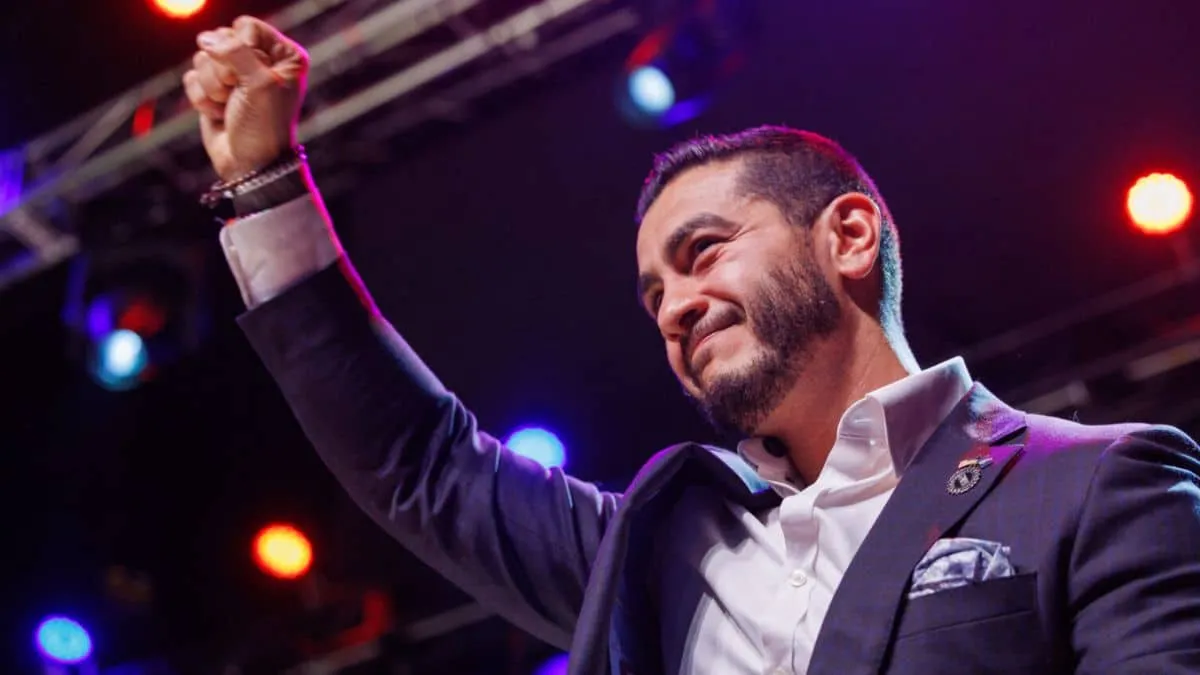
Democrat Abdul El-Sayed declared himself senator-elect on night as he addressed supporters while holding a substantial lead over Republican Mike Rogers in Michigan's U.S. Senate race. His reported victory makes him the first Muslim elected to the U.S. Senate, breaking a long-standing barrier in American federal politics. El-Sayed defeated his Republican opponent in the high-stakes contest to succeed retiring Democratic Senator Gary Peters.
During the election count, El-Sayed secured 1,995,543 votes, representing 51.8% of the total counted ballots. Republican nominee Mike Rogers followed with 1,779,101 votes, or 46.2% of the vote share. Election authorities had tallied approximately 77.6% of the estimated vote, leaving roughly 1.1 million ballots outstanding. According to NBC News projections at the time, Rogers would have needed to capture about 58.7% of the remaining ballots to overtake El-Sayed in the final count.
Background of the Michigan Senate Race
The seat opened up following the retirement of Senator Gary Peters, a Democrat who served multiple terms in Washington. The battleground state of Michigan drew intense national attention due to the balance of power in the federal legislature. The primary contest earlier in the election cycle saw El-Sayed defeat U.S. Representative Haley Stevens to secure the Democratic nomination. This primary win set up the general election showdown against Rogers, a former Republican representative.
Michigan possesses a diverse electorate with significant labor, industrial, and suburban populations. Senate campaigns in the state typically focus heavily on economic conditions, manufacturing jobs, and healthcare access. The outcome reflects changing voter dynamics within the Great Lakes region as candidates with distinct ideological platforms compete for working-class support. El-Sayed campaigned vigorously across the state to build a broad coalition of progressive voters, union members, and urban residents.
Professional Background in Medicine and Public Health
Before entering electoral politics, El-Sayed built a career in medicine, research, and teaching. He earned his medical degree from Columbia University and completed a doctorate in public health at Oxford University as a Rhodes Scholar. Following his academic training, he taught epidemiology at Columbia and hosted America Dissected, a podcast focused on public health issues. His professional credentials formed a major pillar of his public identity throughout his political campaigns.
El-Sayed brought substantial administrative experience leading public health agencies in Detroit and Wayne County. He directed the Detroit Health Department from 2015 to 2017, managing urban health interventions. He later led Wayne County's Department of Health, Human & Veterans Services from 2023 to 2025. His tenure in local government involved addressing systemic health disparities, upgrading municipal sanitation infrastructure, and delivering social services to vulnerable populations.
Political Career and Progressive Platform
El-Sayed first gained national attention during his progressive campaign in Michigan's 2018 Democratic gubernatorial primary. Although he did not win that race, the statewide effort established his presence as a prominent voice on the American left. He subsequently turned his attention to federal legislative office, culminating in his successful 2026 Senate bid. His policy platform combines traditional progressive goals with practical governance lessons drawn from his public health background.
Healthcare remains a central part of El-Sayed's political agenda. He advocates universal coverage and co-authored the book Medicare for All: A Citizen's Guide. Meanwhile, his economic platform focuses on reducing the costs families face in daily life. He supports labor unions and seeks to reduce corporate influence over politics. His campaign combined those positions with an emphasis on public service, drawing on his work in municipal departments.
Local Initiatives and Legislative Priorities
Throughout his career in public administration, El-Sayed championed several tangible community programs. He has highlighted a medical debt relief initiative that he credits with eliminating $700 million in debt for Michigan residents. He also points to efforts to remove lead from schools and provide children with free eyeglasses as core achievements. These initiatives formed part of the public service record he emphasized during his Senate campaign to demonstrate his ability to deliver results for constituents.
As he prepares to transition to federal office, El-Sayed plans to bring his public health background and progressive priorities to Washington. His victory marks a milestone in American history as the first instance of a Muslim individual entering the United States Senate. Observers will watch how his legislative priorities, particularly regarding healthcare reform and economic equity, shape debates in the upcoming congressional session.