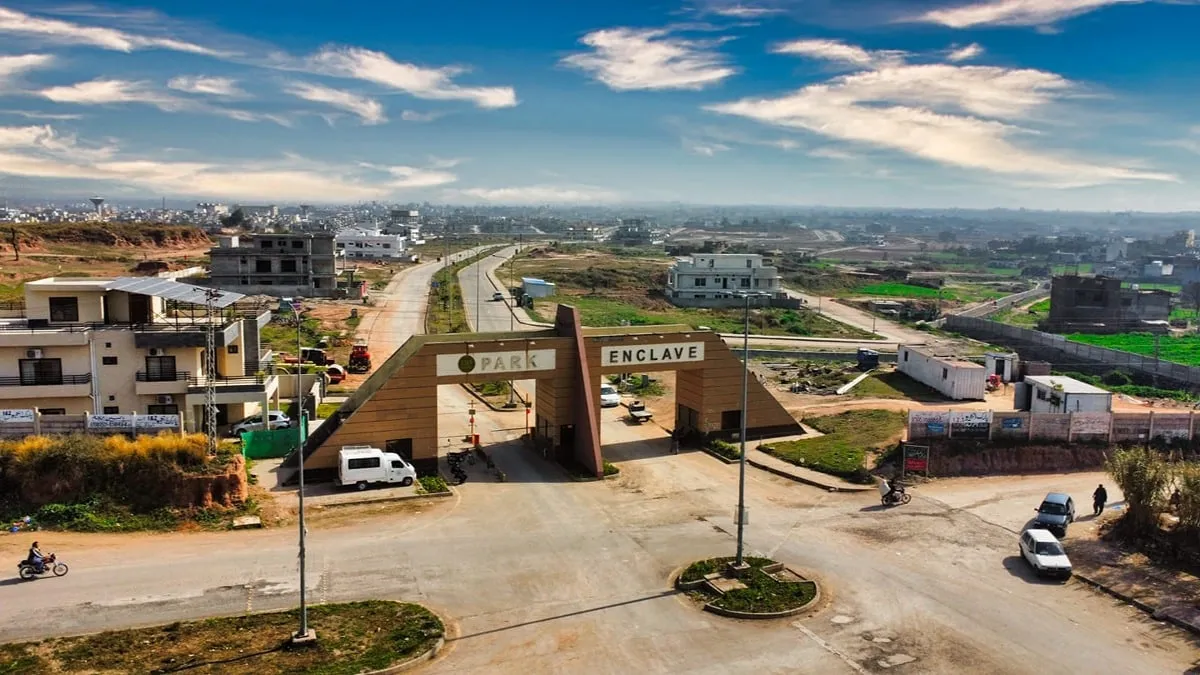
Capital Development Authority Directs Action on Park Enclave Grievances
The Capital Development Authority (CDA) has directed its departments to address residents' concerns in Park Enclave, including development delays and problems with basic facilities. This directive comes as local property owners face ongoing challenges regarding municipal services and infrastructure completion across multiple phases of the housing project.
CDA Chairman Sohail Ashraf issued the directions during a public hearing in Park Enclave, where residents raised concerns about sanitation, security, electricity, parks and other facilities in Phases II and III. Public hearings serve as direct communication channels between municipal administrators and citizens, allowing residents to voice their frustrations regarding stalled projects and inadequate amenities directly to top leadership.
Background of Park Enclave Development Challenges
Park Enclave was conceived as a modern housing initiative by the Capital Development Authority to accommodate growing urban housing demands. Over the years, property owners in various phases have experienced significant delays in receiving possession of their plots and accessing fundamental municipal services. Infrastructure projects of this scale often encounter complex hurdles involving land acquisition, contractor disputes, and bureaucratic bottlenecks.
Residents in Phases II and III have repeatedly pointed out the absence of essential utilities and proper maintenance. The lack of reliable electricity, efficient waste management, and functioning sewage systems has caused considerable frustration among investors and families who purchased land with the expectation of timely development.
Addressing Basic Infrastructure and Utilities
During the recent public session, the chairman directed the relevant departments to improve waste management, repair the boundary wall in Phase I and resolve electricity supply problems in Phases II and III. Proper waste collection and perimeter security are vital for maintaining living standards and ensuring the safety of residents living within the gated community.
Electricity supply issues in the newer phases have hindered construction and habitation efforts for homeowners. Municipal authorities now face mounting pressure to coordinate with utility providers to ensure stable power grids are established across the entire residential scheme without further delays.
Phase III Completion and Municipal Services
He also ordered officials to complete the remaining development work in Phase III and address issues involving water supply, sewage and public parks. Water and sanitation networks form the backbone of any viable residential area, making their completion an urgent priority for the civic agency.
He directed the concerned department to complete construction of the central mosque and resolve the parking problem. Community infrastructure such as places of worship and organized parking spaces are essential components of urban planning that contribute to neighborhood cohesion and daily convenience.
Administrative Reforms and Plot Possession
Ashraf also said the authority would address the built-up property (BUP) issue and introduce QR code-based plot possession to make the process easier and more transparent. Built-up property claims often involve complex compensation and land demarcation disputes between local inhabitants and the civic administration.
The introduction of QR code-based plot possession aims to modernize administrative procedures and reduce opportunities for fraud or bureaucratic delay. By digitizing verification steps, the civic body hopes to streamline how owners take physical control of their allocated land parcels.
Commercial Development and Community Oversight
He further directed officials to develop commercial areas along modern lines and install permanent streetlights on the boulevard road. Commercial zones are necessary to provide residents with local shopping and business options, while adequate street lighting improves nighttime visibility and security along major thoroughfares.
The CDA chairman also announced plans to form a committee comprising Park Enclave residents to help identify solutions to local issues. Involving property owners directly in advisory oversight helps maintain accountability and ensures that municipal interventions align with actual community needs.
What Comes Next for Park Enclave Residents
Following these directives, the civic agency departments must submit progress reports and execute the ordered repairs within stipulated timeframes. Residents and the newly formed resident committee will monitor whether the administration delivers on these commitments regarding infrastructure and plot possession.
Property owners should watch for the formation of the resident committee and updates regarding the digital possession system. Continued engagement between the community and municipal officials remains vital for tracking the resolution of long-standing grievances in the housing scheme.





