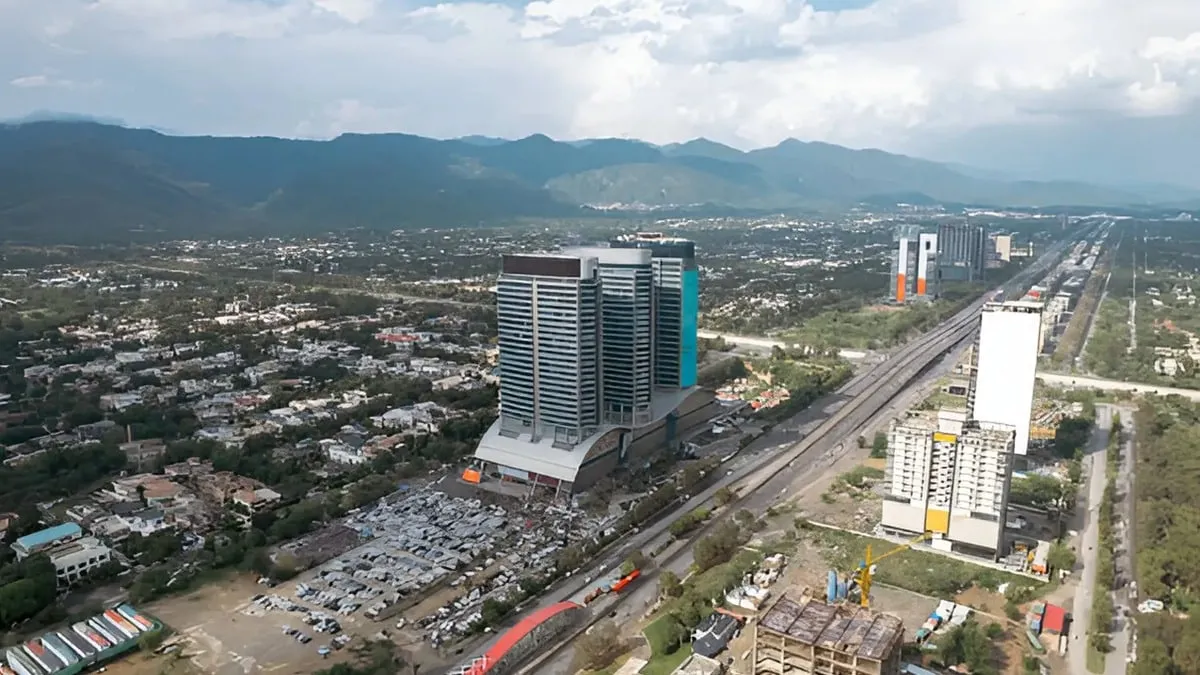
CDA Reopens All Roads in Islamabad Blue Area Commercial District
The Capital Development Authority has officially ordered the immediate reopening of all roads in Islamabad's main commercial district, bringing a sense of relief to business owners and visitors alike. Traders operating within the busy hub welcomed the recent administrative move following formal discussions with municipal authorities. For months, restricted access points and road closures had created operational hurdles for commercial entities situated along the primary thoroughfare of the capital city. Representatives of the business community confirmed that the directive came directly from the leadership of the civic agency after a delegation presented a comprehensive overview of the daily challenges faced by shopkeepers, corporate offices, and everyday shoppers.
Business leaders gathered for a press conference to detail the outcome of their recent meeting with the chairman of the Capital Development Authority. During these discussions, the delegation highlighted how blocked pathways and restricted vehicular movement severely hampered customer flow and logistics. According to the traders, the civic chief responded swiftly to the grievances by issuing orders to clear all barricades and restore normal traffic movement across the commercial zone. This policy shift is expected to ease congestion and encourage patrons to return to the retail and corporate establishments that line the avenue.
Background of Commercial Activity in Islamabad Blue Area
Islamabad's primary commercial sector serves as the financial and economic heart of the federal capital, housing major corporate headquarters, financial institutions, and retail markets. Over the decades, the district has grown exponentially, attracting massive capital investments and serving as a central hub for commercial transactions. Billions of rupees have been invested in commercial properties and businesses across the district, forming a vital part of the local economy. Thousands of families depend directly or indirectly on the commercial activities taking place within the zone, making smooth municipal administration essential for regional financial stability.
The district features a high concentration of critical services and commercial operations. The area houses around 16 banks, hospitals, a major electronics market, diagnostic laboratories, and numerous corporate offices, which draw large numbers of visitors daily. Managing traffic and accessibility in such a high-density environment requires constant coordination between municipal authorities and local business associations. Previous security measures and administrative road closures often disrupted the delicate balance between public safety and commercial accessibility, prompting repeated calls for reform from business owners.
Traders Seek Additional Parking Facilities
Despite the positive step of restoring road access, local business representatives emphasized that parking and accessibility remain major challenges for the district. The current infrastructure struggles to keep pace with the massive daily influx of private vehicles, delivery vans, and public transport. Employees, customers, and visitors frequently spend significant time searching for legal parking spots, which discourages foot traffic and hurts daily sales. The situation is particularly difficult for individuals with specific mobility requirements who struggle to navigate the congested terrain.
Accessibility issues disproportionately affect employees and visitors, including persons with disabilities, due to inadequate parking and access arrangements. According to the traders, the existing parking plaza can accommodate approximately 800 vehicles, which is insufficient to meet the commercial district's growing demand. This shortfall forces motorists to park on sidewalks and secondary lanes, creating bottlenecks and inviting punitive municipal action. Business associations have repeatedly pointed out that modern commercial zones require expanded multi-story parking structures and dedicated transport bays to function efficiently.
Future Consultations and Economic Impact
The decision to restore full traffic flow represents an initial victory for local business advocates, but discussions with municipal regulators are set to continue. The traders added that they would raise the remaining concerns with the Capital Development Authority and relevant administration through consultations, expressing hope that coordinated efforts would help resolve longstanding issues and facilitate business activities. Ongoing dialogue remains the primary tool for addressing municipal shortcomings, zoning anomalies, and infrastructure deficits in the capital.
Economic analysts note that commercial vitality depends heavily on predictable municipal policies and supportive infrastructure. When local authorities listen to merchant grievances and remove unnecessary physical barriers, business confidence tends to rise, encouraging further private investment. As the Capital Development Authority moves forward with implementing its latest traffic directives, stakeholders will monitor whether subsequent phases of urban planning will address the critical parking shortage and improve overall accessibility for everyone who relies on the district.





