China Selects Pakistani Astronaut for Tiangong Space Station
A Pakistani astronaut will become the first foreign national to visit the Tiangong space station of China, joining the crew of the upcoming Shenzhou-24 mission, the China Manned Space Agency (CMSA) announced on Saturday. This historic announcement marks a major milestone in international orbital cooperation and highlights the deepening strategic ties between Beijing and Islamabad.
The Pakistani astronaut will serve as a payload specialist and take part in a short-duration orbital mission before returning to Earth aboard the Shenzhou-23 spacecraft, which docked with the Tiangong space station in May, according to the CMSA. While the agency did not announce the name of the astronaut or the launch date of the mission, officials expect the flight to take place by the end of 2026.
Background on Pakistan and China Space Cooperation
The path to this orbital milestone began with formal agreements signed between the two nations to foster joint technological ventures. Pakistan and China signed an agreement in February 2025 to establish a training programme for Pakistani astronauts. Under the arrangement, selected astronauts would receive training in China and undertake short-term space missions alongside Chinese astronauts over the following years.
In April, China announced that Pakistani astronauts Muhammad Zeeshan Ali and Khurram Daud had been selected to begin training in China. One of them is expected to join the upcoming mission, though final flight assignments remain pending as training progresses through rigorous stages.
Understanding the Tiangong Space Station and Shenzhou Missions
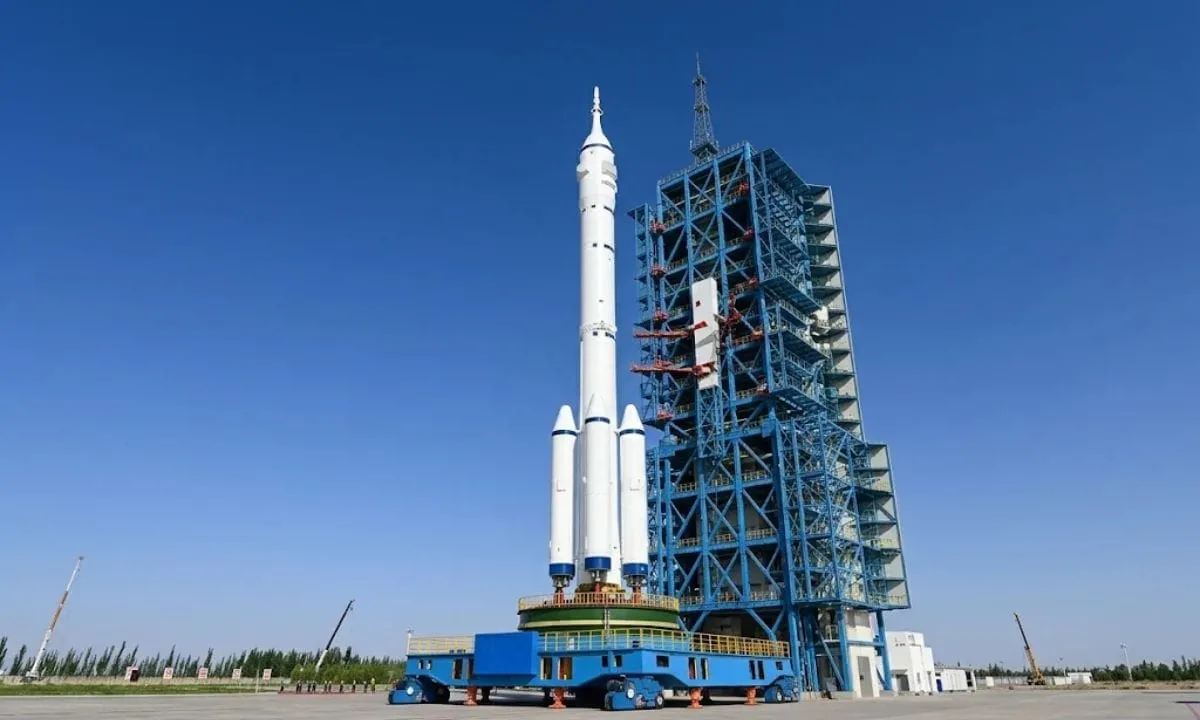
The Tiangong space station serves as China's permanent orbital outpost, hosting rotating crews of taikonauts who conduct scientific experiments and maintenance tasks. The station represents a centerpiece of the country's ambitious space endeavors, operating in low Earth orbit and serving as a platform for international scientific collaboration.
Transport to and from the station relies on the Shenzhou spacecraft series, which carries crew members safely between Earth and the orbiting laboratory. For the upcoming flight, the mission architecture involves the Shenzhou-24 vehicle bringing fresh crew members, while the returning Pakistani payload specialist will make the journey back aboard the Shenzhou-23 spacecraft that docked with the Tiangong space station in May.
The Role of a Payload Specialist in Orbit
A payload specialist focuses primarily on operating specific scientific experiments and technological equipment during a spaceflight. Unlike mission commanders or pilots who handle spacecraft navigation and systems management, payload specialists undergo targeted instruction for the scientific payloads they accompany into orbit.
During the short-duration orbital mission, the selected Pakistani payload specialist will execute various research tasks assigned for the flight. These duties draw directly upon the rigorous preparation both Muhammad Zeeshan Ali and Khurram Daud have undergone since beginning their training program in China.
Broader Strategic and Diplomatic Ties Between Pakistan and China
The upcoming mission marks a new phase in space cooperation between the two countries, which maintain close diplomatic and strategic ties. China is the largest trading partner and a major foreign investor of Pakistan, with collaboration extending across infrastructure, energy, defense, and now advanced aerospace technology.
This partnership reflects Beijing's broader outreach in international space diplomacy, opening its orbital infrastructure to foreign partners. As space agencies around the world look toward multilateral projects, the inclusion of a foreign national on the Tiangong platform sets a precedent for future joint missions.
China Future Exploration Plans and Moon Landing Goals
China has expanded its space programme in recent years and plans to send astronauts to the Moon by 2030. Achieving this lunar objective requires steady advancements in life support systems, heavy-lift rocketry, and long-duration crew management, all of which benefit from continuous operations aboard the Tiangong space station.
Observers of the global space sector continue to monitor Beijing's steady cadence of crewed launches and technological demonstrations. The integration of international partners into station operations signals a confident, expanding aerospace infrastructure capable of supporting complex multi-national endeavors in the coming decade.