Margalla Avenue Extension Project Nears Completion Ahead of April Deadline
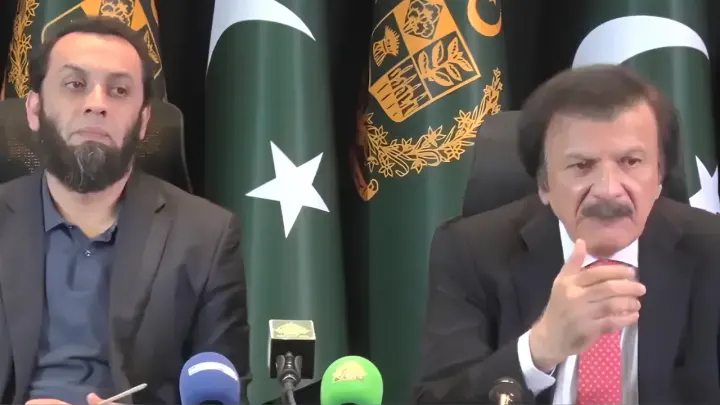
The Margalla Avenue Extension project in Islamabad is expected to be completed within the next few weeks, well ahead of its official April deadline, Interior Minister Mohsin Naqvi said. This announcement follows a series of accelerated construction efforts and continuous monitoring by civic and law enforcement authorities in the capital territory. The infrastructure undertaking forms a vital part of regional transport upgrades designed to alleviate severe traffic congestion at major entry and exit points.
Naqvi made the announcement during a late-night inspection of the project near Sangjani on Thursday. He said the new interchange would improve traffic flow and provide easier access for commuters traveling from Khyber Pakhtunkhwa and those heading toward Islamabad International Airport. Night inspections have become a frequent method for government leaders to oversee public works and press contractors to meet accelerated timelines without compromising structural integrity.
Officials Present During the Sangjani Site Inspection
The CDA chairman, Islamabad Inspector General of Police and senior technical officials accompanied the minister during the visit. Their presence highlighted the coordination required between municipal planners, law enforcement agencies, and engineering teams to keep heavy construction moving smoothly while managing surrounding vehicular movement. High-ranking oversight ensures that bureaucratic hurdles or inter-departmental delays are resolved immediately on the ground.
The CDA chairman briefed Naqvi on the progress of the Margalla Avenue Extension project and ongoing construction activities. Work at the site includes piling for the proposed interchange bridge, foundation excavation and construction of retaining and abutment walls. Engineers explained the technical phases of the bridge construction, noting that deep foundation work requires precise engineering to support heavy future loads of inter-city traffic and heavy transport vehicles.
Engineering Works and Utility Relocation Underway
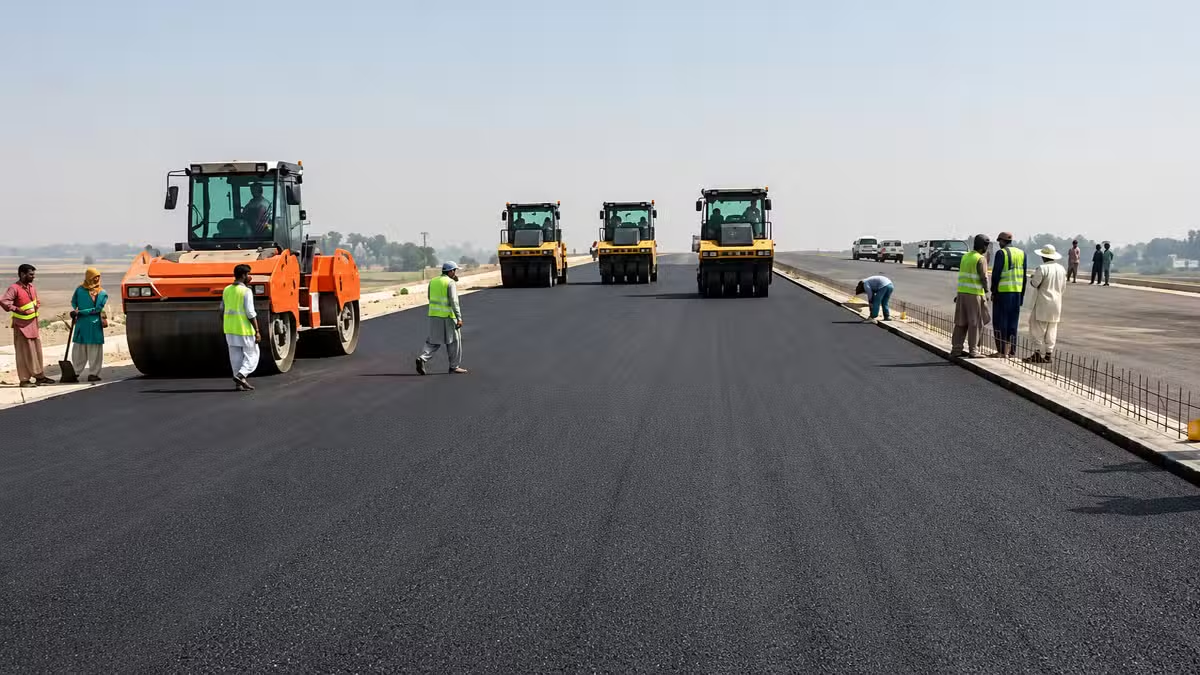
Teams are also carrying out earthwork and preparing the road's sub-base. The authority is also relocating utility lines and clearing construction sites to resume work in areas affected by land-related and technical issues. Moving underground water pipes, electrical cables, and gas lines often presents the most complex challenge for urban road extensions, requiring careful coordination with utility providers to prevent prolonged service outages for local residents.
Clearing land-related obstacles allows civil engineering crews to maintain momentum on stretches of the highway that previously faced temporary standstills. As technical teams finish the sub-base layers, the next phases will involve laying high-grade asphalt, installing safety barriers, and setting up proper lighting and signage along the newly expanded corridor. These preparatory engineering steps are critical for ensuring the highway can withstand heavy seasonal rainfall and high volumes of commercial traffic over the long term.
Improving Traffic Flow and Regional Connectivity
The project aims to improve traffic movement and strengthen connectivity between Islamabad and the motorway network. Naqvi said the new interchange would particularly benefit commuters traveling from Khyber Pakhtunkhwa and passengers heading to the airport. Better road links reduce travel times significantly for daily workers, commercial transport operators, and international travelers navigating the western approaches to the capital.
By connecting directly to the wider motorway infrastructure, the Margalla Avenue Extension channels traffic away from congested city center arteries. Drivers bypassing urban choke points experience smoother journeys, which in turn reduces vehicular emissions and fuel consumption across the regional transport network. Transport economists note that such infrastructure upgrades lower logistics costs for businesses moving goods between different provinces.
Background and Future Outlook for Islamabad Infrastructure
Urban planners in Islamabad have long emphasized the need for northern bypasses and arterial extensions to accommodate rapid vehicle population growth. The Margalla Avenue initiative has evolved over several years through various planning iterations, land acquisition phases, and funding allocations by the federal government and municipal authorities. Past delays tied to land acquisition and environmental clearances underscore why current leaders place such high priority on active ministerial supervision.
As construction enters its final weeks, motorists and transport operators should watch for final paving announcements and official opening dates from the Capital Development Authority. Once opened, the new interchange near Sangjani will permanently alter commuting patterns for thousands of daily travelers entering the federal capital from the northwest. Authorities will continue monitoring traffic patterns post-opening to determine if additional feeder roads or lane expansions are required to handle future traffic growth.