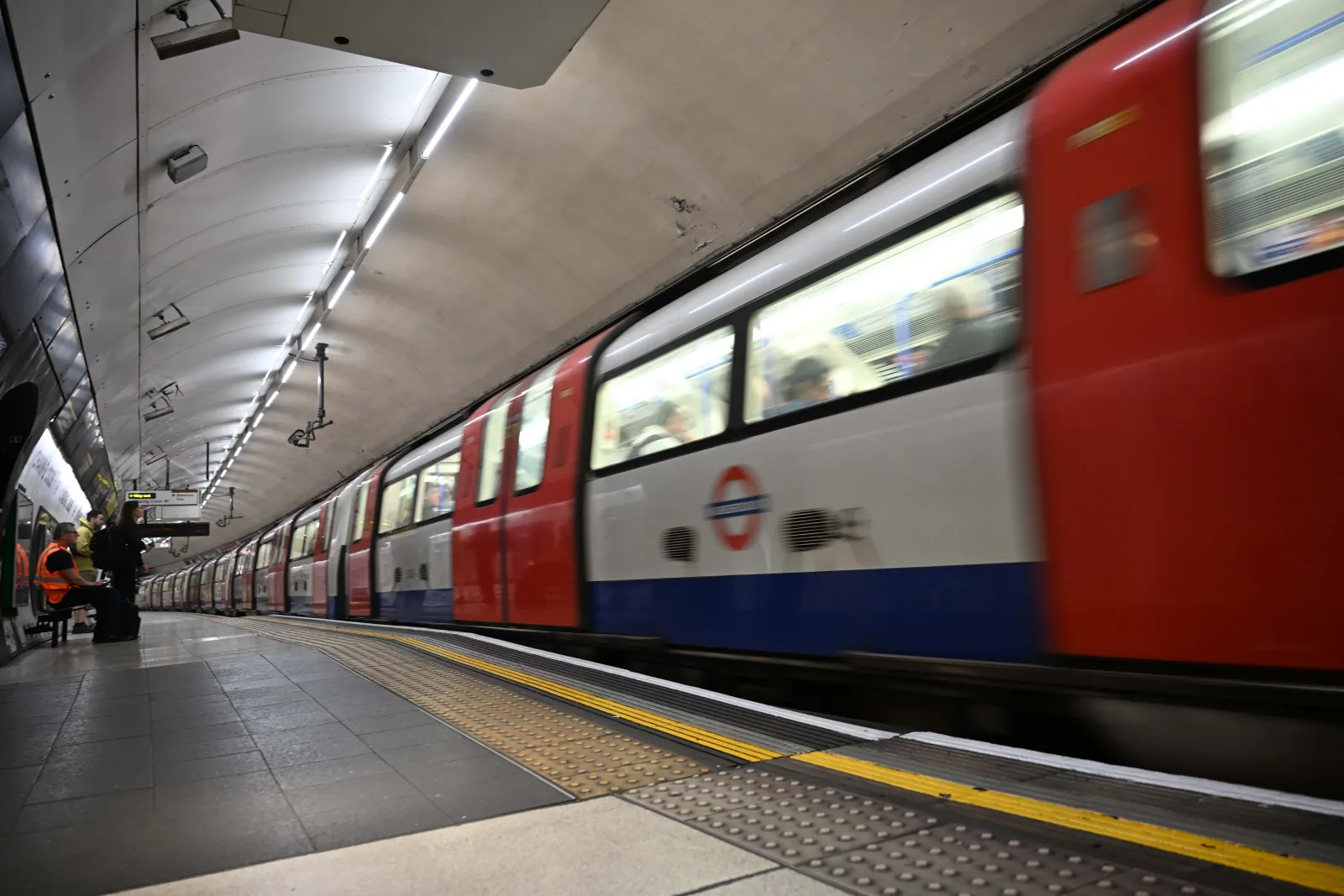
A series of tube strikes is set to take place in the coming months, expected to spark chaos for travellers over the festive period.
London Underground has confirmed a walkout will occur over eight dates between November and February, running from midday-to-midday.
What dates are affected and how the strikes will run
The Rail, Maritime and Transport union (RMT) confirmed the strike action this week, with drivers set to walk out on eight dates between November and February. Each strike will be in place for 24 hours, starting at noon on the first day and ending at noon the following day.
The full list of dates is:
- Thursday, November 26 to Friday, November 27
- Thursday, December 17 to Friday, December 18
- Saturday, December 19 to Sunday, December 20
- Monday, January 4 to Tuesday, January 5
- Wednesday, January 6 to Thursday, January 7
- Wednesday, February 17 to Thursday, February 18
- Tuesday, February 23 to Wednesday, February 24
- Thursday, February 25 to Friday, February 26
All eight strikes will affect the entire London Underground network. The Elizabeth line, Docklands Light Railway (DLR) and Overground services are not included in the walkout.
Why the RMT is striking
RMT general secretary Eddie Dempsey said: "London Underground is attempting to dress up a wholesale attack on drivers' working conditions as a voluntary four-day week. But there is nothing voluntary about a scheme that forces drivers to give up existing protections whether they would work four days or five, and threatens those who refuse with displacement from their depots. Our members are being asked to spend more time driving trains, accept longer and more unpredictable shifts and surrender agreements that have been negotiated and defended over many years."
The dispute centres on a proposed shift to a four-day working week. Critics argue the plan would increase driving hours, extend duty periods and create earlier starts and later finishes for drivers, eroding long-standing safety and pay agreements.
Background to the dispute
The current standoff follows a series of earlier walkouts on the London Underground. In March and May of this year, RMT-led strikes caused significant delays and prompted public criticism of the service. Those actions were also linked to the four-day-week proposal, which Transport for London (TfL) says is intended to improve work-life balance while maintaining service levels.
Transport for London, the public body that oversees the capital's transit system, has repeatedly said the four-day model would be voluntary and would not affect pay. However, union representatives maintain that the proposal would undermine existing driver contracts and safety standards.
How the timing maximises disruption
Running the strikes from midday-to-midday is thought to maximise the level of disruption, with the delays hitting peak commuter times and morning and evening rush hours. The first strike on November 26 coincides with the start of the pre-Christmas shopping surge, while the December 17 and 19 dates fall on the morning of Black Friday and the last Saturday before Christmas, respectively.
Finn Brennan, Aslef's (the British trade union for train drivers) full-time organiser on London Underground, said: "We are surprised that the RMT has, once again, decided to take strike action to try to prevent Underground drivers moving to a four-day week on a voluntary basis. We are in discussions with Transport for London about how the final details of this will work in practice."
Impact on commuters and businesses
During each 24-hour walkout, all tube lines are expected to run a reduced timetable, with many services cancelled or operating on a "shuttle" basis between key stations. Passengers are likely to face longer journeys, crowded platforms and the need to seek alternative routes such as buses, Overground trains or the Elizabeth line.
Retailers and hospitality venues that rely on foot traffic during the holiday season may see fewer customers, especially on the December 17 and 19 strikes that sit directly before Christmas. Employers in central London often schedule flexible working or remote days to mitigate the risk of staff being late or absent due to transport problems.
What commuters can do now
Transport for London has advised passengers to plan journeys in advance, allow extra travel time and consider alternative routes. TfL's website and mobile app will provide real-time service updates, and stations will display notices about reduced services.
Travel cards and Oyster balances will still be valid, but refunds for missed journeys are not guaranteed. Commuters with flexible contracts should discuss possible work-from-home arrangements with their employers for the strike days.
What comes next
The RMT has not indicated any intention to negotiate a settlement before the February 25 strike. TfL says it will continue talks with the union throughout the period, but no new timetable or concession has been announced.
Watch for official statements from TfL and the RMT in the weeks leading up to each strike date. Updates on any changes to the schedule will be posted on the Transport for London website and on the RMT's social media channels.
For now, the eight-day strike calendar remains in place, and commuters should prepare for the possibility of widespread tube disruption throughout the holiday season.