CM Punjab Maryam Nawaz Addresses Narowal Development Image Controversy
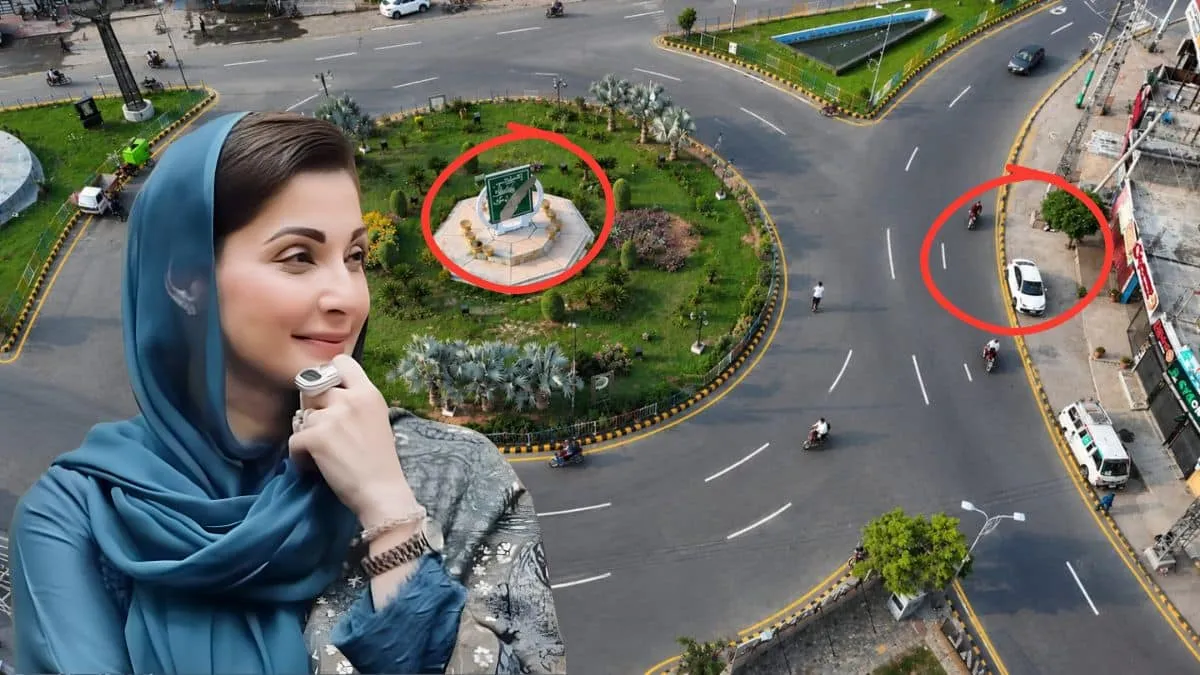
Punjab Chief Minister Maryam Nawaz has responded to criticism over alleged artificial intelligence generated images promoting development in Narowal by sharing three aerial videos of the city. The controversy emerged when the Chief Minister shared photographs of urban improvements in Narowal on her official X account, which immediately drew intense scrutiny from online observers.
Social media users pointed to apparent visual flaws within the pictures, including vehicles seemingly travelling on sidewalks and unreadable lettering on billboards. These inconsistencies led many online commentators to question the authenticity of the visual content and argue that the administration had relied on computer generated graphics to portray progress.
نارووال 💚 pic.twitter.com/vzj9sWAtol
— Maryam Nawaz Sharif (@MaryamNSharif) November 1, 2026
In response to the mounting public skepticism, Maryam Nawaz subsequently published video footage highlighting Narowal's actual urban improvements and directly challenged those who had questioned the earlier pictures. The release of the aerial footage marked a swift attempt by the provincial administration to counter the narrative surrounding the disputed graphics.
Writing on the social media platform X, the Chief Minister issued a direct challenge to her critics. "Narowal! For the eyes of all those who said this was AI," she stated in her post alongside the newly released visual evidence.
نارووال ! ان سب کی بصارتوں کی نظر جو کہتے تھے یہ AI ہے!
کام ایسا کرو کہ لوگ سمجھیں AI ہے! pic.twitter.com/ZcMjx3wj1i— Maryam Nawaz Sharif (@MaryamNSharif) November 3, 2026
Details of the Aerial Footage Shared by Punjab Chief Minister
The three videos shared by the provincial leadership provide a comprehensive look at the infrastructure projects completed in the area. The footage shows a landscaped roundabout featuring colorful flowerbeds, tall palm trees, and a prominent central monument designed to improve the aesthetic appeal of the locality.
Additionally, the recordings feature modern roadside bus stops constructed to assist public transport commuters. The visual evidence also displays freshly painted road markings and newly improved urban roads carrying regular traffic, demonstrating ongoing civil works in the region.
Despite the release of the aerial recordings, the provincial leadership has yet to provide a direct explanation for the allegations of using artificial intelligence in the original post featuring images of development in Narowal. Observers note that while the new clips display physical infrastructure, questions regarding the origin of the initial photographs remain unaddressed by official channels.
Background on Digital Media and Public Infrastructure Claims
The use of digital media and visual aids by political figures to highlight administrative achievements has become a common practice across the region. Governments frequently use social media platforms to communicate infrastructural progress to citizens, aiming to showcase public spending and policy delivery in real time.
However, the rapid advancement of computer generated imagery tools has heightened public awareness and skepticism regarding digital content published by public institutions. Independent analysts and social media users regularly scrutinize official photographs for signs of digital manipulation, demanding higher standards of transparency and verifiable proof from elected representatives.
Narowal, situated in the northeastern part of Punjab, has been the focal point of various local infrastructure initiatives over recent years. Upgrades to roads, public spaces, and transportation facilities form a core component of regional development agendas pursued by successive provincial administrations.
Impact of the Social Media Controversy on Public Discourse
The online debate surrounding the Narowal photographs highlights the growing tension between official communication strategies and digital verification by citizens. When public figures share visual representations of governance, the accuracy of such media directly influences public trust in state institutions and administrative claims.
Local businesses, residents, and political observers closely monitor these digital disputes, as they often shape public perceptions of regional growth and government competence. The incident underscores the necessity for strict verification protocols within government media cells to prevent controversies over digital authenticity.
Furthermore, the episode demonstrates the speed at which online criticism can compel a response from high ranking officials. Within a short span, the administration shifted from posting static photographs to releasing continuous aerial footage in an effort to substantiate claims of physical progress.
What Comes Next in the Narowal Development Scrutiny
As the debate continues across digital platforms, attention remains focused on how government departments handle media verification for future infrastructure projects. Citizens and political analysts will likely maintain heightened scrutiny over official publications, demanding clear evidence for any claims regarding public works.
While the provincial leadership has presented aerial proof of the completed roundabouts, bus stops, and road networks, the absence of a clarification regarding the initial images leaves room for ongoing public discussion. Observers will monitor whether future communications from the Chief Minister office incorporate additional safeguards to ensure media authenticity.
Ultimately, the episode serves as a notable case study in the intersection of digital technology, political communication, and public accountability in modern governance. The ability of officials to transparently address questions regarding digital media will remain a key factor in shaping public confidence across the region.