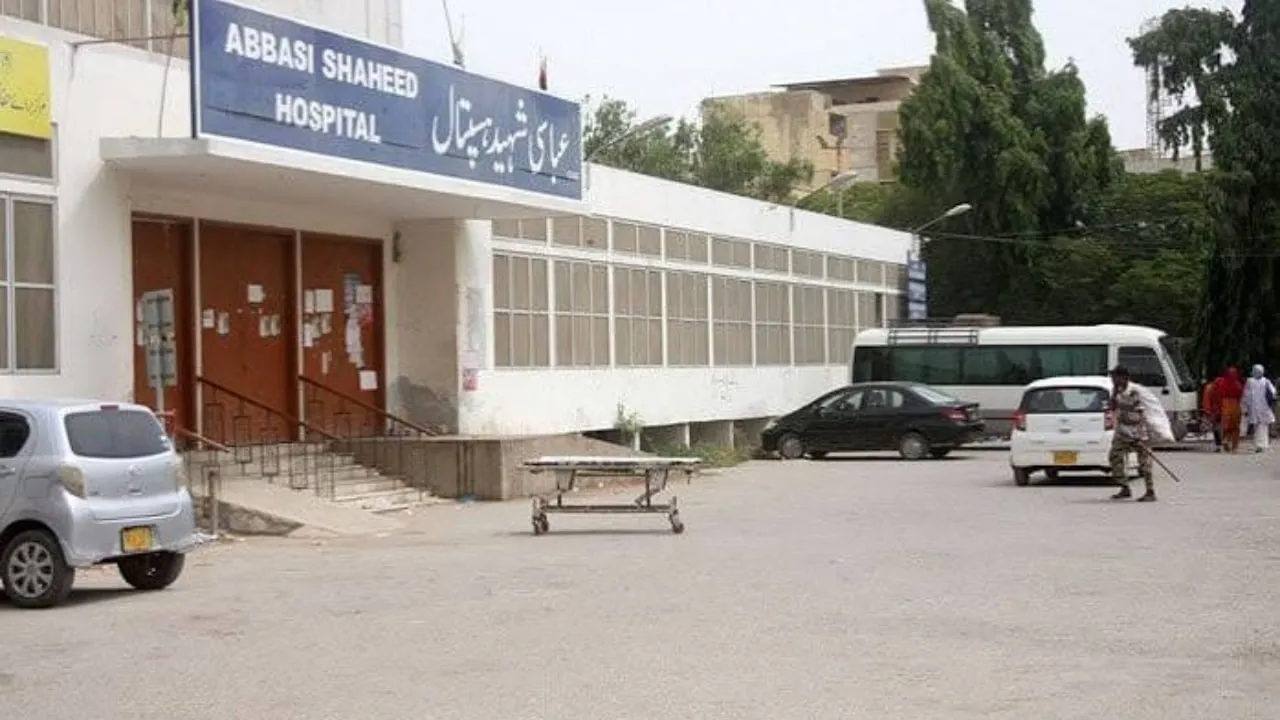
Abbasi Shaheed Hospital New Block Completed After 52 Years
In a major development for healthcare in District Central, the construction of a new medical block at Abbasi Shaheed Hospital has been completed after 52 years through a joint initiative of the Sindh government and the Karachi Metropolitan Corporation (KMC). This long-awaited infrastructure expansion addresses chronic shortages of medical space and resources in one of the most populous urban centres in the region. Local residents, municipal leaders, and public health advocates have monitored the slow progress of this facility for decades, making its recent completion a notable milestone for public administration and civic infrastructure.
The ground-plus-three-storey building, spanning 200,000 square feet, will have a capacity of 150 to 200 beds and offer modern diagnostic and treatment facilities for various diseases. The block is expected to be formally inaugurated next week. The massive scale of the new building allows for a major reorganization of patient flow, separating emergency care, outpatient consultations, and specialized diagnostics into dedicated zones designed to modern hospital standards.
The new facility is expected to benefit patients from District Central as well as other parts of Karachi. As urban populations expand, public hospitals face immense pressure to serve marginalized communities who cannot afford private healthcare. Regional patients often travel significant distances to reach tertiary care centers, meaning that every new bed and specialized clinic directly reduces the burden on existing overburdened facilities across the metropolis.
Medical Services and Specialties at the New Facility
Karachi Metropolitan University Registrar Mahmood Ahmed Khan said the new block will operate as a multi-purpose healthcare facility, offering treatment for gastroenterological, cardiac, pulmonary and dermatological conditions. Consolidating these disciplines under one roof allows multidisciplinary medical teams to consult on complex cases quickly, improving patient outcomes and reducing transfer times between separate hospital wings.
Modern diagnostic services, including X-rays, echocardiography and endoscopy, would also be available. The hospital has ordered additional modern medical equipment. Accurate and timely diagnostics remain a critical bottleneck in public healthcare systems, so the deployment of advanced imaging and laboratory machinery will enable physicians to confirm diagnoses on-site without sending patients to external private laboratories.
The block will provide outpatient department (OPD) services across various specialties, along with modern diagnostic and treatment facilities. Daily outpatient visits form the backbone of public hospital operations, managing routine checkups, chronic disease monitoring, and post-operative follow-ups for thousands of citizens.
Phased Rollout and Specialized Care Plans
According to the hospital administration, the facility will be made operational in phases to ensure patients can access multiple healthcare services under one roof. Phasing the opening allows administrators to test newly installed electrical, plumbing, and medical gas systems, train technical personnel on imported machinery, and gradually scale up staffing levels without risking operational disruption.
Plans are also under consideration to provide medical facilities for children with autism and persons with disabilities. Specialized care programs for neurodevelopmental disorders are scarce in public sector hospitals, forcing families to rely on costly private therapy centers or go without professional intervention entirely. Integrating disability support services into a major municipal hospital marks a policy shift toward inclusive public health provision.
Historical Background of Abbasi Shaheed Hospital
Abbasi Shaheed Hospital stands as one of the largest public sector medical institutions in Karachi, serving millions of residents since its establishment. Named in honor of Hakim Mohammed Said and other civic figures, the institution has historically operated under the administrative purview of the Karachi Metropolitan Corporation. Over the decades, the hospital expanded in piecemeal fashion to keep pace with rapid population growth, but major capital projects frequently stalled due to shifting political priorities, bureaucratic hurdles, and budget constraints.
The decision to build the now-completed medical block was initiated decades ago, but construction languished through successive regional administrations. The recent injection of joint funding from the Sindh government and KMC provided the necessary financial runway to complete structural work, interior finishing, and utilities installation. This collaboration reflects a broader trend of provincial and municipal bodies pooling resources to finish long-delayed public works projects.
Impact on District Central and Wider Karachi Healthcare
District Central houses dense residential neighborhoods where access to affordable healthcare directly influences community well-being and economic stability. When breadwinners fall ill and lack access to timely treatment, household finances often collapse under the weight of private medical bills. Public hospitals bridge this gap by providing subsidized or free consultations, medications, and surgical procedures.
Beyond District Central, patients from peripheral neighborhoods frequently seek specialized treatment at Abbasi Shaheed Hospital because peripheral clinics lack advanced surgical units and intensive care infrastructure. By adding 150 to 200 beds, the hospital increases its inpatient capacity significantly, reducing wait times for elective procedures and emergency admissions alike. Medical students and nursing trainees affiliated with Karachi Metropolitan University will also use the new block for clinical rotations and practical training.
Operational Readiness and What Comes Next
With formal inauguration proceedings scheduled for next week, hospital management teams are finalizing staffing rosters, administrative protocols, and supply chain logistics for pharmaceutical distribution. Department heads are coordinating the movement of medical personnel from older wings into the new structure to ensure uninterrupted patient care during the transition period.
Observers will monitor how efficiently the phased rollout proceeds and whether procurement timelines for the newly ordered medical equipment are met without delay. The long-term success of the project relies on consistent budgetary allocations for equipment maintenance, utility supplies, and professional staff retention. Local authorities face the ongoing task of maintaining high sanitary and operational standards once patient volumes reach full capacity across all four floors of the new building.