Understanding the UAE Minimum Age for E-Scooter and E-Bike Riders
The United Arab Emirates has established a strict minimum age requirement for individuals operating electric scooters and electric bikes as part of a comprehensive overhaul of its executive regulations. Under the updated framework, anyone wishing to ride an electric scooter, e-bike, or moped must be at least 15 years old to apply for the mandatory riding permit. This regulatory update targets the rapid growth of micro-mobility across the nation, seeking to establish a safer environment for riders, pedestrians, and motorists alike. The rules are scheduled to officially come into force on 1 January 2027, giving operators, rental companies, and citizens time to adapt to the upcoming changes.
Traffic safety authorities across the country have monitored the surge in popularity of personal transport devices in recent years. While these vehicles offer a convenient, eco-friendly way to navigate urban centers, their unregulated expansion has raised concerns regarding street safety. The new executive regulations address this challenge directly by creating a structured licensing system that applies nationwide across all multiple classes of Personal Transport. By setting a clear age threshold, the government aims to prevent younger children from operating motorized mobility devices in dangerous traffic conditions.
How the New Permit System Works
Obtaining authorization to ride personal transport devices will require adhering to a formal application process under the revised regulations. Once issued, permits under the new framework will remain valid for a period of three years. Riders will have the option to renew these permits indefinitely after the initial period expires, ensuring continuous compliance with the law. These official documents will hold validity across all multiple classes of Personal Transport, meaning a single permit covers various approved devices.
Commercial rental operators face the same rigorous standards as individual owners. Companies that rent out micro-mobility equipment to the public must ensure their fleets comply with all licensing, registration, and safety mandates. This requirement prevents commercial loopholes and ensures that every electric scooter or e-bike on public paths meets the established legal criteria, regardless of whether it belongs to a private citizen or a rental fleet.
Where E-Scooters and E-Bikes Can Be Ridden
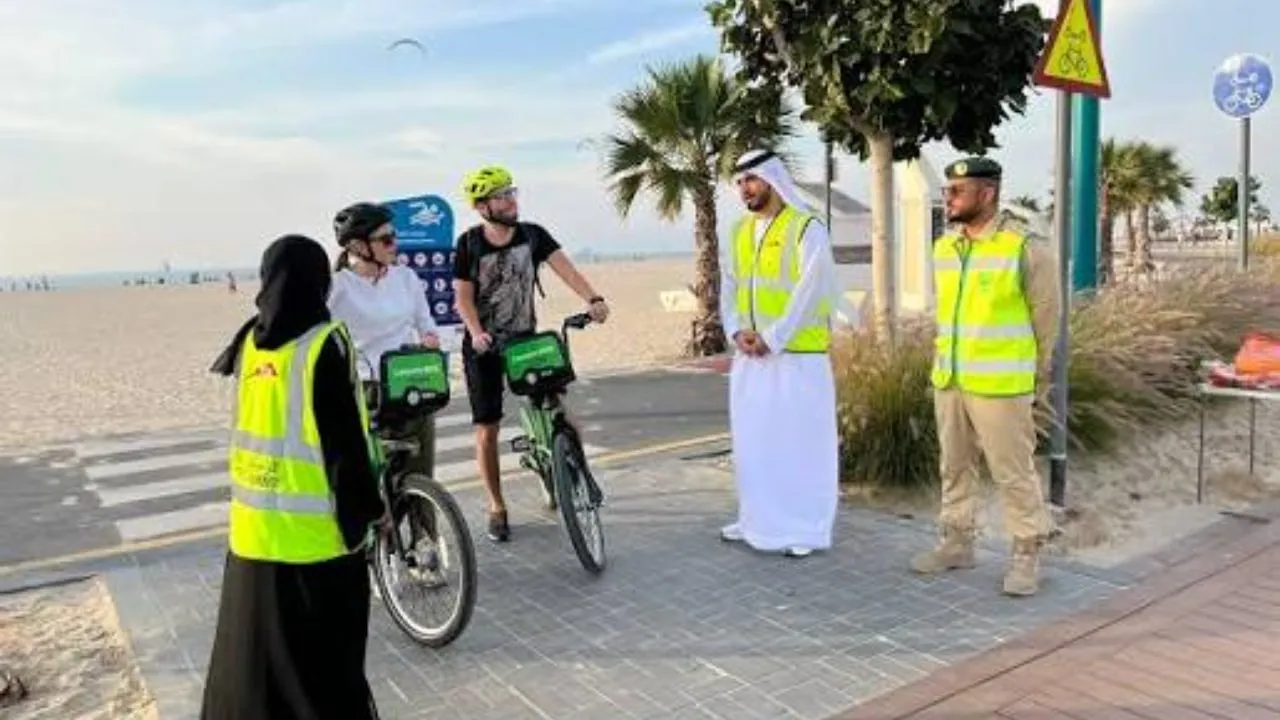
The revised regulations introduce strict geographical limitations on where personal mobility devices can operate. No personal mobility device shall be used on any public road intended for use by conventional motor vehicles. This restriction aims to protect riders from the high speeds and heavy weights of cars, trucks, and buses. Instead, personal mobility devices shall only be used on approved and defined routes designated by local authorities for micro-mobility traffic.
City planners and municipal departments are tasked with expanding and clarifying the network of approved routes ahead of the 2027 enforcement date. These paths typically include dedicated bicycle lanes, shared pedestrian-cyclist pathways, and specially marked zones within urban developments. Riders must stay within these corridors to avoid legal penalties and ensure they do not disrupt vehicular traffic or endanger pedestrians on standard walkways.
Mandatory Safety Standards for Personal Transport Equipment
Safety equipment on micro-mobility devices must meet rigorous mandatory standards outlined in the executive regulations. Every device must feature specific mechanical and electrical components to ensure visibility and control on approved routes. The required equipment list includes:
- Forward-facing lights equipped with both high and low beams for night visibility
- Rear-facing red brake lights to alert trailing traffic and pedestrians
- Braking capability operating effectively on at least one wheel
- Stable and safe tyres capable of handling urban road surfaces
These equipment mandates apply universally to private owners and commercial rental operators alike. Ensuring that every electric scooter and e-bike possesses working lights and reliable brakes significantly reduces the risk of collisions during low-visibility conditions or sudden stops.
Categories of Individual Mobility Devices Covered
The revised regulation breaks down individual mobility devices into six distinct categories to ensure precise legal definitions. This classification helps authorities enforce rules tailored to the speed, weight, and design of each vehicle type. The six recognized groups include traditional bicycles, electric bicycles, electric scooters, and mini-motored bikes of less than 50cc engine capacity with a maximum speed of 45 km/h. The final two categories cover skateboards and mobility devices designed specifically for the elderly and disabled.
By categorizing these vehicles, the regulatory framework ensures that exemptions or specific rules apply appropriately. For instance, mobility devices for elderly and disabled citizens receive specific consideration to guarantee accessibility while maintaining safety standards across public infrastructure.
Pedestrian Rules at Intersections and Urban Impact
Alongside micro-mobility rules, authorities have reaffirmed the regulations governing pedestrians at intersections. A flashing green signal will not allow riders or walkers to begin crossing a street. However, those individuals already caught in the middle of the intersection when the signal changes can continue to cross safely to the other side. This clarification prevents dangerous mid-intersection dashes and helps regulate the flow of both foot traffic and approved micro-mobility devices at busy junctions.
This pioneering regulatory amendment highlights the UAE's efforts to develop safer and more structured urban spaces in the face of micro-mobility's effect on urban mobility. As cities continue to expand and modernize, integrating alternative transport methods safely remains a top priority for government planners. The enforcement of the 1 January 2027 deadline marks a definitive step toward organized, secure city travel for all residents and visitors.