CoRe Alliance Calls for Phased Extended Producer Responsibility Framework in Pakistan
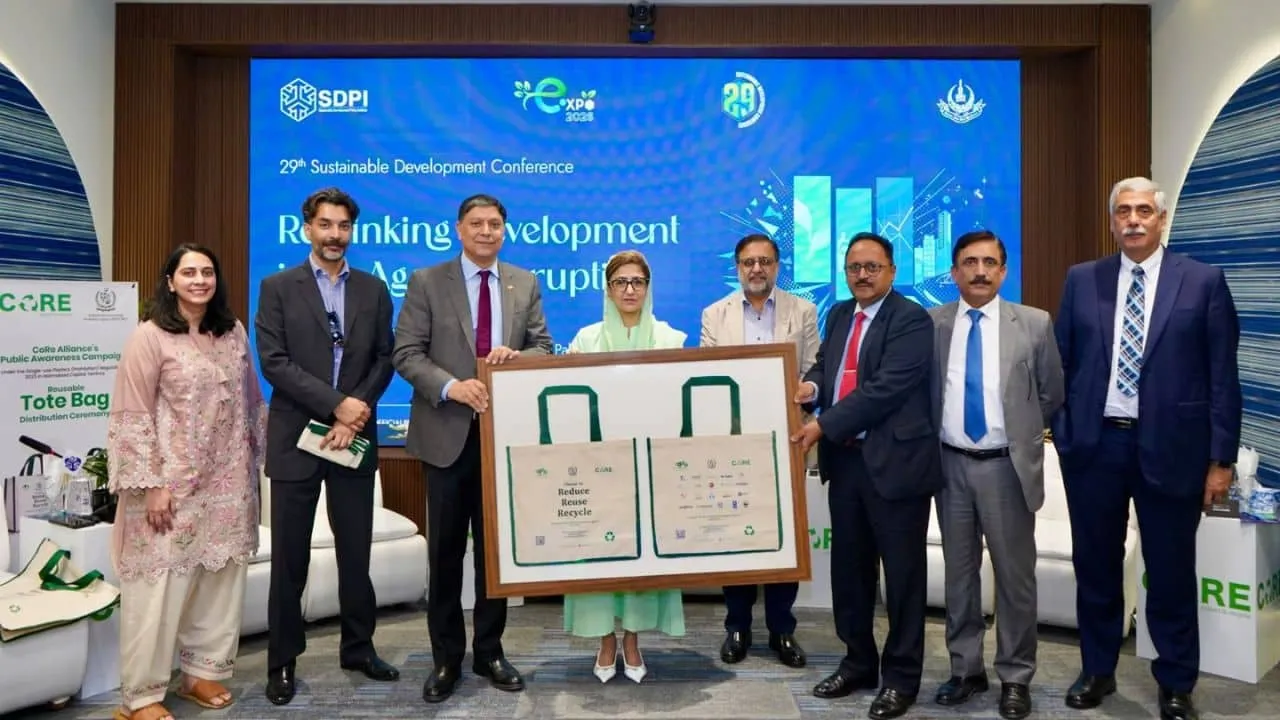
The Collect and Recycle Alliance recently advocated for a harmonized, phased, and inclusive Extended Producer Responsibility framework to improve waste management and recycling systems across Pakistan. This policy push aims to accelerate the nation toward a circular economy model. Alongside the discussions on policy, the organization delivered 5,000 co-branded reusable tote bags to the Pakistan Environmental Protection Agency. This joint effort supports the enforcement of the Single-Use Plastics Prohibition Regulations of 2023 within the Islamabad Capital Territory.
Dr. Shezra Mansab Ali Khan Kharal, Minister of State for Climate Change and Environmental Coordination for the Government of Pakistan, opened the event. She noted that moving toward a circular economy demands joint action and deep cooperation between public authorities and private industries. She added that effective implementation of Extended Producer Responsibility can enhance waste handling, encourage responsible resource use, and build better operational systems nationwide.
Industry Leaders Push for Tax Incentives and Recycling Infrastructure
Sheikh Waqar Ahmad, CEO of the CoRe Alliance, explained that building a circular economy requires both functional policy structures and direct actions. He pointed out the necessity of increasing industry participation, providing tax incentives, and easing access to financing to draw private funds into recycling infrastructure. Alongside these regulatory goals, the transfer of 5,000 reusable tote bags demonstrates the dedication of the alliance to improving local waste management, encouraging mindful consumption, and advancing sustainable packaging through unified efforts.
The event also featured statements from Amir Mohyuddin, Additional Secretary at the Ministry of Climate Change and Environmental Coordination. He emphasized that a coordinated and phased method, backed by defined roles and shared stakeholder efforts, remains vital for establishing superior operational networks across the country. Following these remarks, a panel discussion took place with contributions from Zainab Naeem, a Research Fellow at the Sustainable Development Policy Institute, Babar Aziz Bhatti, CEO of Green Earth Recycling and Chairperson of the Extended Producer Responsibility Committee for the CoRe Alliance, and Zia Hyder, CEO of SPEL Group and Board Director of the alliance.
Details of the White Paper and Panel Recommendations
The conference centered on the necessity of establishing a nationwide framework for Extended Producer Responsibility, enhancing waste sorting, upgrading processing infrastructure, and boosting public-private partnerships. Namwar Yusuf Rahman, Project Manager for the alliance, presented a summary of the organization White Paper during the session. This document had been submitted earlier to the Federal Minister for Climate Change and Environmental Coordination in May 2026. The presentation outlined key recommendations for a unified approach that maintains regulatory consistency while respecting provincial and local realities.
Babar Aziz Bhatti spoke on the capacity of the recycling industry to manage large volumes of recyclable materials. He stressed that proper waste sorting is critical for cutting processing costs and raising the quality of finished recycled goods. The panel conversations touched on phased targets, shared value-chain duties, producer responsibility organizations managed under regulatory oversight, green financing, digital tracking systems, and the inclusion of informal waste workers.
Reusable Tote Bag Handover and Conference Background
As part of the wider outreach, the alliance handed over 5,000 co-branded reusable tote bags to Dr. Shezra Mansab Ali Khan Kharal. In a separate ceremony held a day prior at the office of the Pakistan Environmental Protection Agency in Islamabad, another batch of 5,000 co-branded reusable tote bags was delivered to the agency. This earlier handover occurred in the presence of Dr. Mohsina Zubair and Dr. Zaigham Abbas, who serve as Directors for Lab and National Environmental Quality Standards at the agency.
Both engagements occurred on 5 November 2026, as part of the twenty-ninth Sustainable Development Conference. The Sustainable Development Policy Institute organized the conference in collaboration with the CoRe Alliance at Allama Iqbal Open University in Islamabad. The gatherings united government officials, business leaders, and other partners under the core themes of strengthening producer responsibility systems and promoting reusable alternatives to curb single-use plastics.