Punjab Revises CM E-Bike Scheme Distribution Date for Students
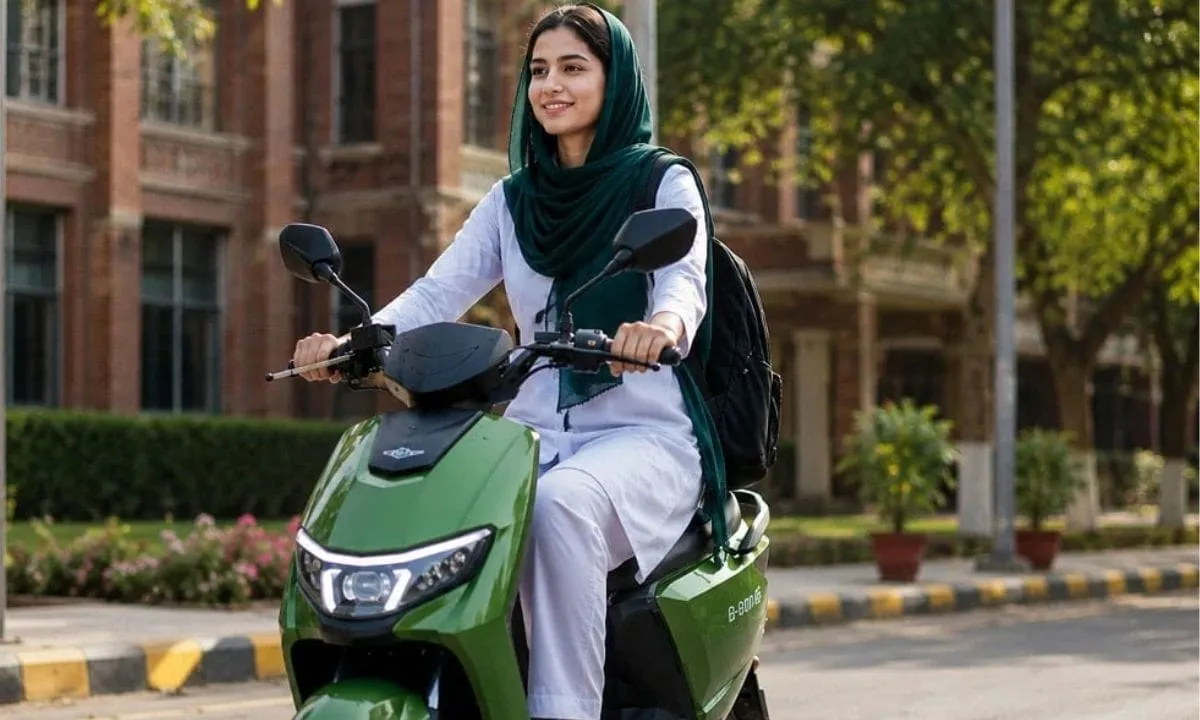
Punjab Chief Minister Maryam Nawaz Sharif has announced a revised distribution schedule for electric bikes under the CM E-Bike Scheme for students, with the first phase now set to begin in December 2026 instead of November 5. This adjustment alters the timeline for thousands of young learners across the province who applied for the transportation initiative.
The announcement was made during a laptop distribution and Honhaar Scholarship ceremony in Jhelum on November 10. Maryam Nawaz explained that the delay was caused by the large number of electric bikes being manufactured for the scheme, forcing the government to revise its initial distribution timeline.
Why the CM E-Bike Scheme Timeline Changed
Administrative adjustments often accompany large public infrastructure and welfare programs, particularly when physical manufacturing constraints emerge. Producing thousands of specialized electric vehicles requires extensive coordination between state authorities and industrial suppliers to meet rigorous quality and safety standards. The sheer volume of units currently rolling off assembly lines meant that the original November target could not be met without compromising delivery standards.
State officials faced a logistical bottleneck as manufacturing facilities scaled operations to match the massive influx of student applications. Rather than releasing partial batches that might disadvantage eligible applicants in certain regions, the administration chose to adjust the calendar. This ensures that a substantial inventory is ready for distribution when the first phase officially begins.
Background of the Student Transportation Initiative
Mobility remains a persistent hurdle for young scholars commuting to universities, colleges, and technical institutes throughout the region. Public transit networks often experience overcrowding, and traditional fuel-powered motorcycles impose significant financial burdens on student budgets through recurring petrol and maintenance costs. Addressing these systemic obstacles formed the core rationale for introducing subsidized electric two-wheelers.
The Punjab government launched the second phase of the electric bike scheme in September 2026 to provide electric bikes to eligible students. The revised December distribution schedule will determine when successful applicants can begin receiving their bikes. Earlier programmatic phases laid the groundwork by identifying target demographics and establishing digital portals for transparent application submissions.
Safety Guidelines and Mandatory Training for Beneficiaries
Operating motorized two-wheelers on busy urban and rural corridors presents inherent risks, prompting state leadership to emphasize precautionary measures. The chief minister also urged students who applied for the scheme to complete proper riding training and wear helmets before using their electric bikes. She stressed that road safety and responsible riding should remain priorities for all beneficiaries.
Educational institutions and traffic police departments often collaborate on awareness campaigns to instruct novice riders on defensive driving techniques. Wearing certified helmets and understanding traffic signals significantly reduces the incidence of severe injuries during collisions. Recipients must treat these safety mandates as essential prerequisites before taking their new vehicles onto public roads.
Broader Impact on Student Commuting and Education
Reliable daily transit directly correlates with lower absenteeism rates and improved academic focus among higher education attendees. Maryam Nawaz said the electric bike scheme aims to make daily commuting easier for students, particularly those who face transportation difficulties while travelling to educational institutions. Cutting down travel time allows scholars to dedicate more hours to their studies and extracurricular pursuits.
Local economies also benefit indirectly as cleaner electric mobility solutions reduce dependence on imported fossil fuels within municipal areas. Transitioning youth toward battery-powered transport aligns with broader environmental objectives aimed at curbing urban air pollution. Families relief from high fuel expenditures can reallocate household funds toward educational materials and tuition expenses.
What Applicants Should Watch For Next
Successful applicants awaiting their vehicles should monitor official government portals and announcements for specific pickup locations and verification procedures. Administrative offices will release detailed district-wise distribution rosters ahead of the December kickoff to streamline the handover process. Beneficiaries must ensure their documentation is complete and verified to claim their allocated units smoothly.
As the new launch month approaches, provincial departments will finalize logistical arrangements at designated distribution hubs across various cities. Students are advised to remain in contact with their respective academic institutions for circulars regarding training sessions and safety orientation workshops. Patience during this manufacturing phase ensures that every eligible recipient receives a fully inspected and operational electric bike.