Digital Payments in Pakistan Reach Record Highs in Q4-FY26
Digital payments in Pakistan continued their strong growth trajectory during FY26, with quarterly transaction volume crossing 4 billion and transaction value approaching Rs60 trillion in the fourth quarter, reflecting an accelerating shift towards digital financial services.
The numbers highlight a massive expansion in how citizens and businesses handle money across the country. Financial technology adoption has moved from a niche alternative to a mainstream pillar of the national economy.
State Bank of Pakistan Reports Surge in Electronic Transactions
According to the State Bank of Pakistan's Annual Report on the State of Pakistan's Economy for FY26, digital payment users and transactions increased during the year, supported by expanding digital connectivity, online services and growing reliance on mobile technology.
The central bank functions as the primary regulator of the financial sector, tracking these metrics to gauge economic health and financial inclusion. Its findings point to consistent momentum in electronic channels over successive quarters.
Volume and Value Growth in Q4-FY26
The SBP data shows a sustained increase in digital payment activity throughout FY26, with both the volume and value of digital transactions registering an upward trend. Quarterly transaction volume reached around 4.2 billion in Q4-FY26, while their value approached Rs60 trillion.
This massive scale demonstrates that millions of citizens now use electronic rails for routine purchases, utility payments, and peer-to-peer transfers. The high financial value moving through these networks indicates that commercial transactions and business-to-business settlements are also shifting online.
Drivers of Digital Financial Services Adoption
The SBP noted that expanding digital connectivity, online services and greater reliance on mobile technology for business, education and entertainment were contributing to the increase in digital payment users and transactions.
Smartphone penetration and cheaper mobile data packages have allowed larger segments of the population to access the internet. As everyday activities move online, financial transactions naturally follow the same path.
Expansion of EMIs, Mobile Banking, and Payment Cards
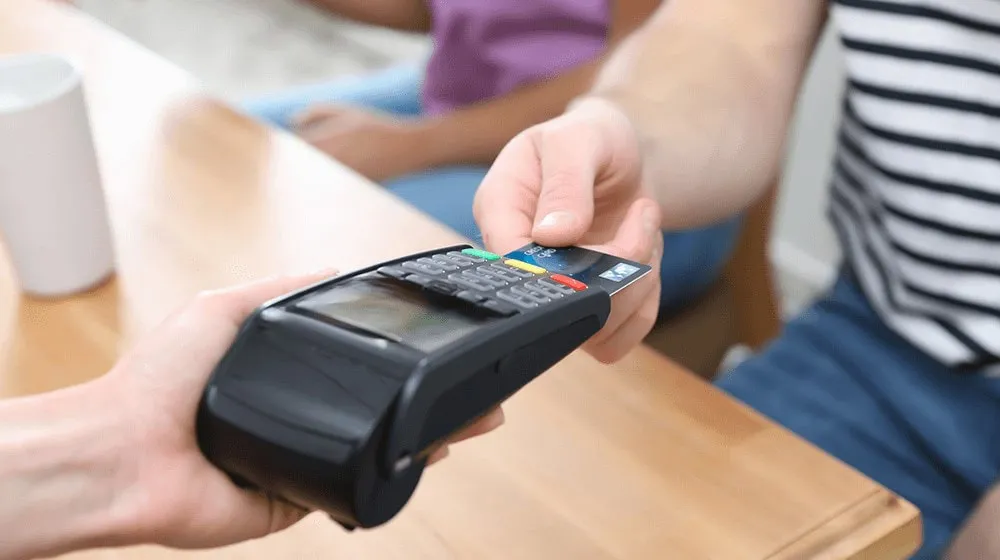
The central bank's report also highlights an increase in users of electronic money institutions' (EMIs) e-wallet applications, internet and mobile banking services, and payment cards. The growing adoption of digital payment channels reflects changing consumer behaviour and increasing use of mobile technology for financial transactions.
Electronic money institutions have introduced user-friendly applications that simplify account opening and fund transfers. Traditional commercial banks have similarly upgraded their mobile offerings to capture the growing demand for digital banking.