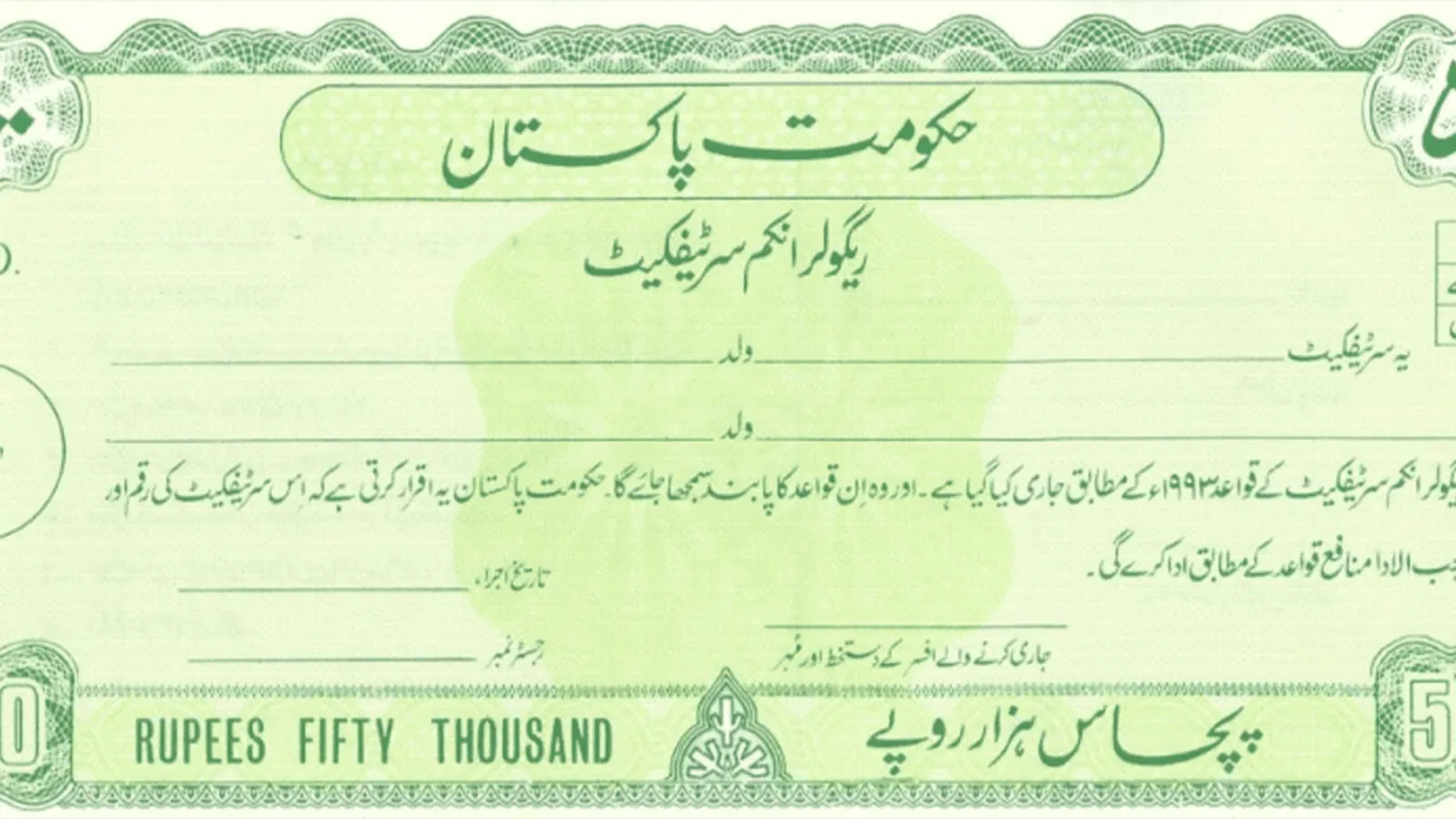
Overview of the National Savings Profit Rate Revisions
The Directorate of National Savings has officially revised profit rates across several popular investment schemes. This adjustment increases returns on selected certificates and accounts while keeping existing rates on multiple other products steady. Investors relying on government-backed savings vehicles must review these new percentages to understand how their returns will change.
According to the latest notification issued by the directorate, the updates cover Special Savings Certificates, Short Term Savings Certificates, regular savings accounts, and Shariah-compliant investment products. These adjustments reflect ongoing monetary policy shifts and broader economic conditions that influence fixed-income returns across the financial sector.
Changes to Special Savings Certificates and Short Term Certificates
The profit rate on the first five payments of Special Savings Certificates has been set at 11.8 percent. Meanwhile, the sixth and final payment of these certificates will continue to carry a rate of 12.8 percent.
Short Term Savings Certificates have also received higher rates across multiple maturities. Three month certificates will now offer 11.56 percent, while six month and one year certificates will provide returns of 11.90 percent and 12.14 percent, respectively. These short-term instruments remain popular among retail investors seeking liquidity coupled with guaranteed government-backed returns.
Updates to Savings Accounts and Sarwa Islamic Products
Ordinary savers experienced adjustments as well. The profit rate on ordinary Savings Accounts has been revised to 10.50 percent.
Islamic investment options under the national savings umbrella also saw upward movement. The one year Sarwa Islamic Term Account will offer 12.04 percent, while the three year Sarwa Islamic Term Certificate will provide 11.98 percent. Additionally, the expected profit rate on the Sarwa Islamic Savings Account has increased to 12.04 percent, catering to investors demanding Shariah-compliant alternatives.
Schemes with Unchanged Profit Rates
While several products experienced upward revisions, many flagship schemes remain untouched. The Directorate of National Savings has maintained the profit rate on Defence Savings Certificates without any change.
Regular Income Certificates will continue to offer 12.12 percent. Furthermore, specialized safety nets such as Behbood Savings Certificates, Pensioners Benefit Accounts, and Shuhada Family Accounts will retain their existing rate of 12.96 percent, protecting vulnerable demographics from sudden income drops.
Similarly, the five year Sarwa Islamic Term Certificate will continue to offer a profit rate of 12.12 percent, providing stability for long-term Islamic portfolio holders.
Background and Context of National Savings Schemes
National savings schemes have historically served as a primary vehicle for retail investors seeking secure, government-backed financial security. These instruments absorb public savings and help fund government fiscal needs. By adjusting rates periodically, the directorate balances market realities with the objective of encouraging domestic capital formation.
Fixed-income instruments issued by the state attract risk-averse individuals who depend on periodic payouts for household expenses. Retirees, pensioners, and widows often allocate their savings into these specialized accounts to ensure predictable cash flows despite economic volatility.
Impact on Investors and Depositors
The latest revisions directly affect individuals holding short-term and special savings products. Savers with funds in three-month, six-month, and one-year short-term certificates will notice an immediate change in their incoming profits upon maturity.
Conversely, holders of Behbood, Pensioners, and Defence certificates will experience no disruption, as their yields remain locked at previous levels. This tiered approach allows the administration to manage debt servicing costs while offering competitive yields where necessary to attract fresh liquidity.
How National Savings Operations Work
The Directorate of National Savings operates under federal oversight, managing a vast network of branches across the country. Citizens deposit funds into various designated certificates and passbook accounts. In return, the state guarantees the principal amount along with periodic profit distributions calculated on a fixed or variable basis.
Management of these funds requires constant alignment with prevailing interest rate benchmarks set by the central bank. When monetary policies shift, state savings institutions adjust their payout structures to remain attractive against commercial bank deposit rates.
What Next for Savers and Future Notifications
Investors holding maturing certificates should consult their nearest national savings center to evaluate whether to reinvest under the newly announced rates or shift funds into unchanged categories. Monitoring subsequent notifications from the directorate remains essential for anyone planning a fixed-income investment strategy.
Financial planners recommend assessing personal liquidity needs against certificate lock-in periods before committing funds. As economic indicators evolve, further reviews by the directorate remain possible in future fiscal cycles.