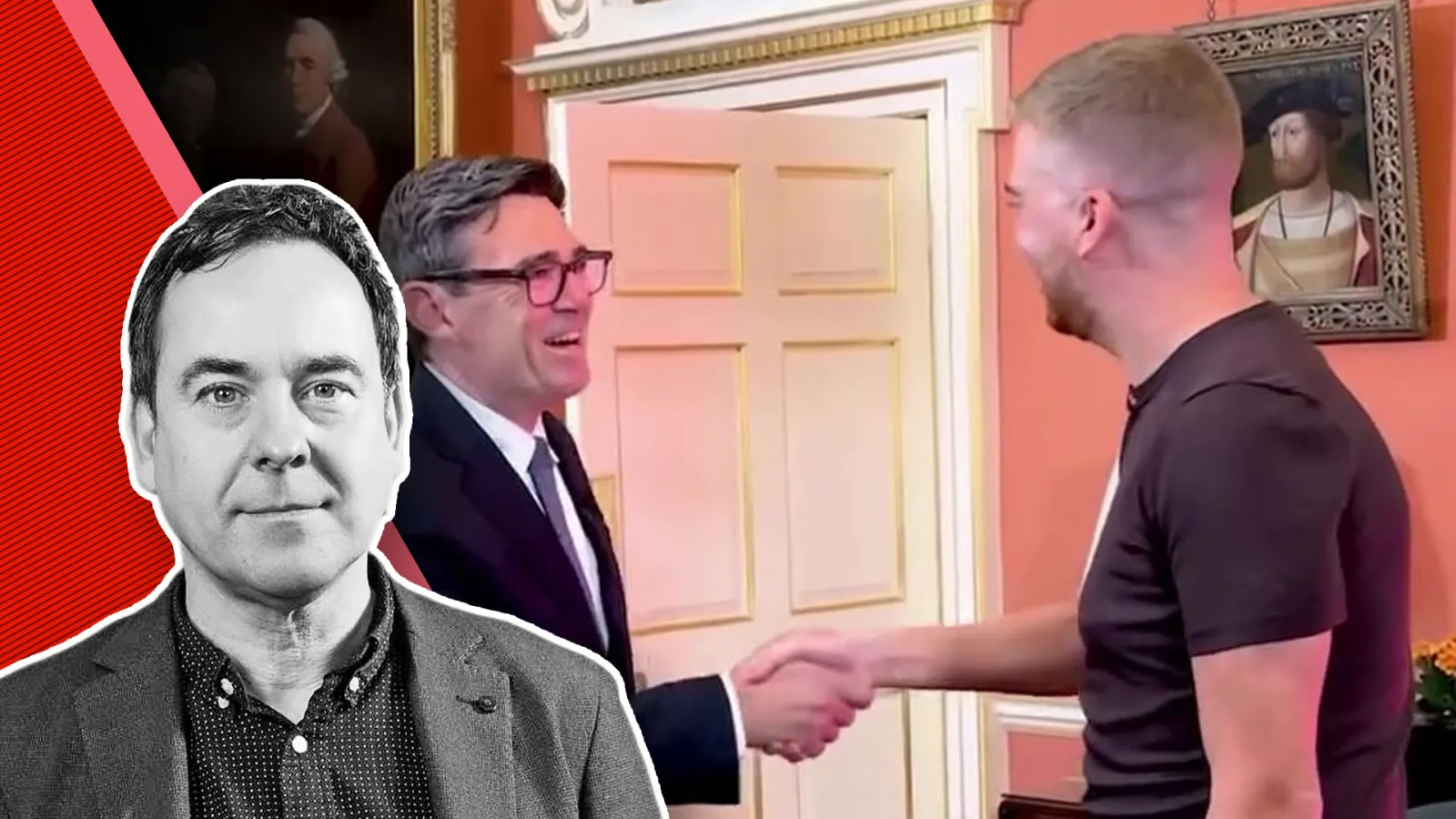
The allocation of public funds toward digital promotion inside the seat of government has sparked widespread debate across the United Kingdom. Downing Street recently hosted various online content creators and social media personalities, a move that drew sharp criticism from political opponents and commentators alike. At the centre of the controversy is the Downing Street New Media Unit budget, which has climbed significantly since Labour came to power, reaching a total of £25 million of public money dedicated to social media advertisements and influencer collaborations.
Critics argue that such expenditure is inappropriate while ordinary citizens face financial pressures, including rising energy costs and winter heating concerns. The rising costs of living have left many households struggling to manage household expenses during the colder months, creating a stark contrast with lavish government outlays on digital public relations strategies. The use of prominent online personalities, including self-proclaimed commentators and internet creators, has amplified questions regarding the dignity and decorum expected from high office.
How Downing Street Spends £25 Million on Digital Media
The expansion of the Downing Street New Media Unit budget reflects a broader shift in how modern political administrations attempt to reach younger demographics. Traditional broadcasting channels have increasingly shared space with short-form video platforms and digital networks where viral content dictates public engagement. Administrations worldwide have sought to harness these communication channels to bypass conventional journalistic gatekeepers and deliver direct messaging to citizens.
Supporters of digital outreach argue that modern governance requires meeting constituents where they consume information, particularly younger generations who rarely watch traditional television news or read print newspapers. Engaging with online creators is defended as a pragmatic method for improving civic awareness and communicating policy updates to audiences that might otherwise remain politically detached. However, the involvement of controversial internet personalities has drawn scrutiny regarding the vetting process and the tone of content produced within government buildings.
Financial Pressures on Citizens Versus Government PR
The timing of these digital expenditures has intensified public scrutiny, particularly given broader economic challenges facing British households. Families across the nation continue to grapple with elevated mortgage payments, surging energy bills, and climbing transportation costs. Vulnerable populations, including elderly citizens living on fixed incomes, face difficult choices regarding domestic heating as winter temperatures drop.
Commentators have contrasted the allocation of £25 million for personal promotion and influencer partnerships with the financial struggles of public sector workers, such as nurses, carers, and military personnel. While government departments defend digital campaigns as essential communication tools, critics maintain that public funds should be directed toward essential services and direct financial relief for those most affected by economic instability.
The Evolution of Political Communication and Youth Engagement
Attempting to connect with younger voters through contemporary language and developing technology is not a new phenomenon in British politics. Throughout history, political leaders have continually adapted their communication styles to resonate with changing cultural norms and emerging media formats. Wartime leaders used radio broadcasts to unite the nation, while subsequent prime ministers embraced television appearances and glossy magazine interviews to project approachability.
Historians note that previous administrations faced similar accusations of pursuing superficial popularity at the expense of serious statecraft. From televised interviews designed to humanize leaders to modern social media trends, the tension between dignified governance and viral marketing remains a constant feature of democratic politics. The current debate simply translates this historical friction into the context of modern digital platforms and algorithmic reach.
Broader Cultural Debates and Public Reactions
Beyond government spending, recent cultural and media discussions have highlighted broader societal concerns regarding accountability and public standards. High-profile media figures and entertainment personalities frequently capture public attention, illustrating the powerful influence of modern celebrity culture. Incidents involving public figures attempting professional comebacks after serious legal controversies have further inflamed public debate concerning redemption, victim sensitivity, and institutional responsibility.
Meanwhile, everyday consumers continue to seek practical relief amid rising living costs, finding occasional solace in discounted retail offerings such as budget-friendly festive meal bundles. As political figures navigate the complexities of digital media and public accountability, the fundamental challenge remains balancing effective communication with the serious responsibilities of public office.