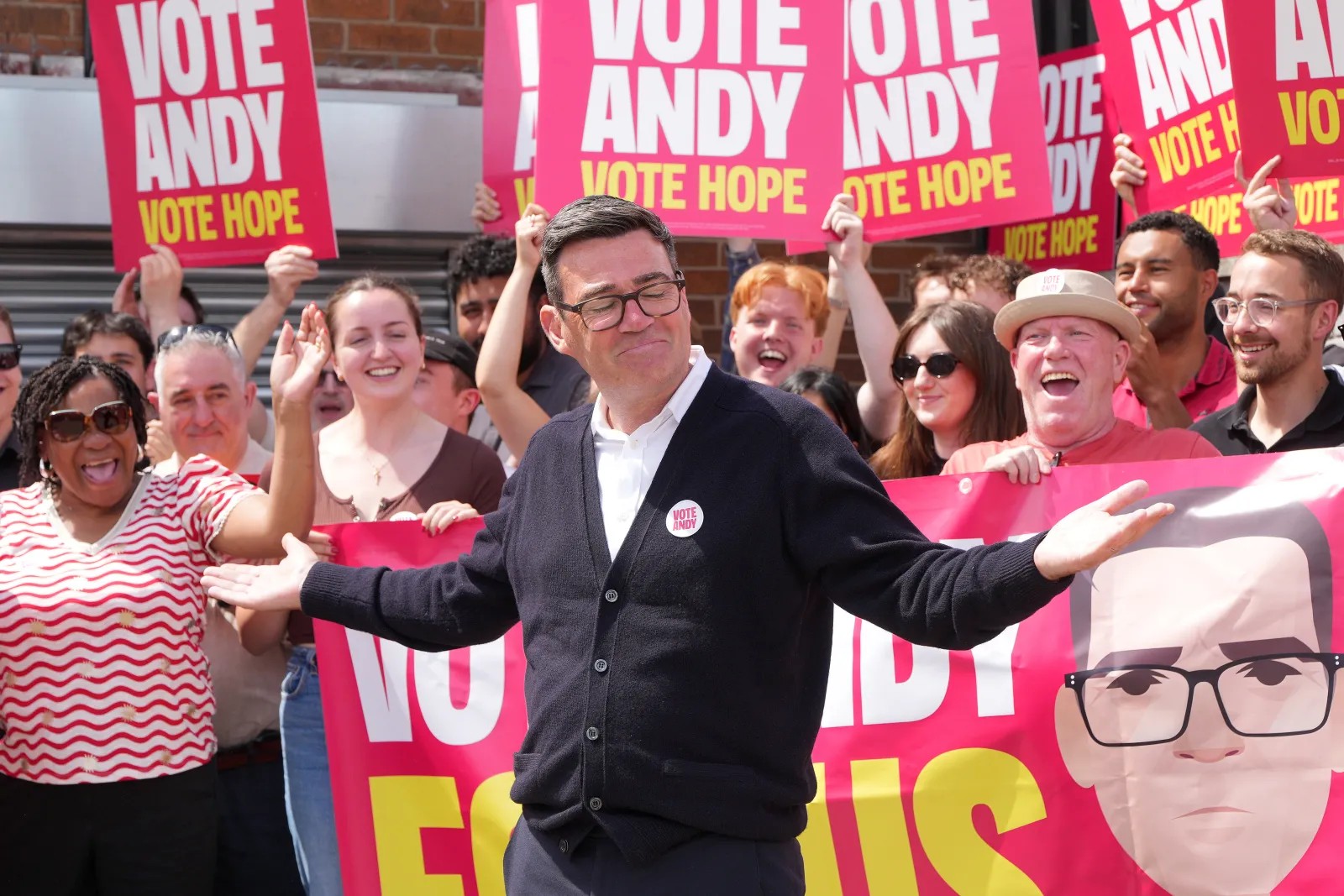
Voters in the Makerfield constituency claim Prime Minister Andy Burnham broke his promise to keep the United Kingdom out of the European Union after winning the June by-election, fueling fresh anger over Brexit policy.
Burnham's opponents say the prime minister used the by-election as a stepping-stone to No 10, then reversed his stance on EU relations, prompting accusations of deceit and calls for a new referendum.
What Burnham Said During the Campaign
During the campaign six months before the vote, Burnham told local residents, "I am not proposing that the UK considers rejoining the EU. I respect the decision that was made at the referendum." He added, "The last thing we should do right now is rerun those arguments. Britain will be stuck in a permanent rut if we're just constantly arguing and people are pulling away from each other."
These statements were aimed at reassuring a constituency that voted 65 % to 35 % for Leave in the 2016 referendum. The promise was that the EU issue would not be raised again, allowing Burnham to focus on other concerns such as immigration and the cost of living.
Why Voters Feel Betrayed
Gordon Heyes, a 75-year-old retired miner, said, "He lied to us. During the election Burnham said we were going to stay out of the EU and that it wouldn't be brought up again. It was blatant lies. He's sold us down the Swanee." Heyes, who survives on a £202-a-week pension, added that a second referendum would cause "mayhem" and cost the working class a fortune.
Suzanne Fitzpatrick, 55, a former florist, echoed the sentiment: "Andy Burnham just used Makerfield as a stepping stone. He's let us down. We had a democratic referendum and now he's laughing in the face of it." She warned that the renewed debate would create a "wedge between leavers and remainers again" and be "completely divisive."
The Prime Minister's Recent EU Reset Deal
Last week the UK government announced a "reset" deal with the EU, restoring cooperation on trade, security and regulatory alignment. In the same week Burnham told Parliament that it would be "unthinkable" for the UK to rejoin the bloc without holding another referendum. The statement sparked criticism from backbenchers and constituents who felt the promise made in Makerfield had been abandoned.
Veteran Labour MP Graham Stringer, who represents Blackley and Middleton South, asked Burnham in the Commons, "Does he reflect on when he said in Makerfield it would be wrong to reopen the debate on Europe because it would be divisive? And then he does exactly that in Brussels and that leads to cynicism and a loss of trust in parliamentary democracy." Stringer warned that loss of trust could fuel extremism.
How the By-Election Unfolded
Burnham won the June by-election with 55 % of the vote, defeating Reform UK candidate Robert Kenyon, a local plumber whose campaign faltered after he endorsed a vulgar social-media post targeting broadcaster Carol Vorderman. Reform's Paul Green, 51, said he would "absolutely vote to stay out in another referendum" and called Burnham "a liar".
Local ward results in May's council elections showed every ward electing a Reform UK councillor, indicating a strong anti-Labour, pro-Leave mood that Burnham had to navigate.
What the Makerfield Test Means
After his victory, Burnham pledged to apply a "Makerfield test" to any national policy, promising that if a policy failed in his constituency it would not be rolled out nationwide. Observers note that the test is largely symbolic unless backed by concrete policy changes.
Burnham later told the House of Commons he was not proposing a second referendum "at this moment" and that there was "no fixed destination" for UK-EU relations. He said options could include re-joining the Customs Union, the Single Market, or holding a future referendum on full membership.
Local Reactions to the Brexit Debate Resurfacing
John, a 75-year-old retired office clerk who voted Remain in 2016, said, "People here would choose to stay out. I voted Remain but I've now changed my mind. The economy in big European countries is flatlining, there's riots in France and Italy and migration is too high."
Lynne Sankey, 70, a former teaching assistant who voted Leave, described herself as "on the fence" but praised Burnham's personal character, urging him to focus on the cost-of-living crisis instead of EU talks.
Joanne Micklewright, 49, a Remainer, said she would vote to re-join, arguing that "I like freedom of movement and the idea that you can go and live wherever you want." She condemned anti-immigration rhetoric as "bigoted".
Impact on the Community and Future Outlook
Makerfield, part of the historic South Lancashire coalfield, has a legacy of mining, cotton mills and potteries. The constituency has traditionally been a Labour stronghold, but Brexit reshaped its political landscape, turning it into a battleground for EU-related issues.
Local residents say the debate over a new referendum distracts from pressing concerns: immigration, the cost of living, affordable housing, pension security and support for veterans. Sonja Heaton, a retired operating-theatre nurse, called inviting social-media influencers into Downing Street a "waste of time and money".
With the prime minister's EU reset deal now in force, the next steps include parliamentary scrutiny of the agreement, possible legislative changes to align UK law with EU standards, and ongoing public debate about whether a second referendum is needed. No timetable has been set for a new vote, and Burnham has not ruled it out.
For constituents, the key question remains whether Burnham will honour his Makerfield pledge or continue to shift his position as political circumstances evolve. The outcome will likely influence voter trust in the Labour Party and its ability to retain support in former "Red Wall" seats.
As the UK navigates its post-Brexit relationship with Europe, Makerfield stands as a microcosm of the broader national tension between promises made during the referendum era and the realities of governing a divided electorate.