Why the Huw Edwards Channel 4 Documentary Is Facing Severe Backlash
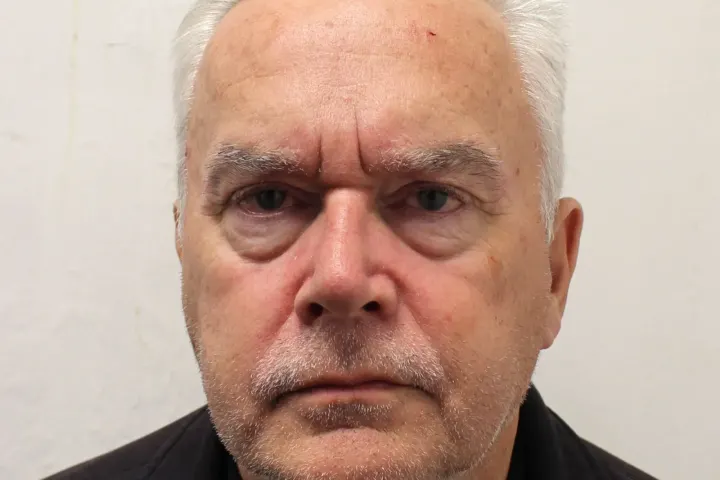
Channel 4 is facing intense public backlash and fierce criticism following its decision to produce and broadcast a documentary featuring Huw Edwards. The disgraced former news anchor, who was convicted of possessing severe child abuse images, is being given a major television platform to present his side of the story. Critics, activists, and child protection campaigners argue that this broadcast is profoundly insulting to survivors and trivializes the horrific nature of his crimes. The move has reignited a fierce debate about the responsibilities of broadcasters when dealing with high-profile sex offenders and whether such projects amount to an unearned rehabilitation attempt for wealthy figures.
The offences committed by Edwards took place between December 2020 and August 2021. Throughout this period, he continued to anchor high-profile news coverage for the BBC, rather than being off sick. His subsequent conviction for possessing serious child abuse images shocked viewers across the country, given his prominent public standing as one of the most recognizable faces in British broadcasting. Instead of serving a prison sentence, Edwards received a non-custodial punishment, keeping his wealth intact while leaving his victims to face lifelong trauma. The upcoming television project has intensified anger over the leniency of the justice system toward influential individuals.
The Details of the Offences and the Controversy Over Mental Health Defences
Central to the controversy is the framing used in the documentary trailer, where a presenter describes Edwards possessing serious child abuse images as a fix he had got himself into. Campaigners argue that this language minimizes the gravity of child sexual exploitation and effectively offers excuses for abhorrent behavior. Child abuse images exist only because children have been victims of sexual degradation and torture. When these images circulate online or through private networks, the crime against the child never truly ends, as every viewing constitutes a fresh offence.
Edwards has attempted to attribute his actions to severe mental health struggles during the period he committed the crimes. In a statement on his Substack blog, he wrote that he was in the grip of severe depression at the time, though he acknowledged that this did not alter what he did or serve as an excuse. However, critics point out that severe mental health issues do not cause someone to traffic or possess child sexual abuse material. Many individuals who experience severe psychological distress seek therapy, particularly when they possess the financial resources to pay for private treatment easily. Dismissing such actions as the result of losing the plot ignores the deliberate nature of accessing and sharing illegal material involving children.
Criticism of Channel 4 and Media Coverage Standards
The decision by Channel 4 to air the project, alongside an interview conducted by The Observer, has drawn sharp condemnation from advocates who have spent decades fighting against child sexual abuse. Critics note that the documentary features zero input from survivors or safeguarding experts, leaving it unbalanced and heavily focused on the perpetrator. Furthermore, media outlets have faced criticism for their terminology, with organizations like Sky News describing Edwards as a disgraced journalist. Campaigners argue that this label is typically reserved for someone who flouts reporting ethics, rather than someone complicit in serious child sexual abuse.
The imbalance of the broadcast is a central point of contention for advocacy groups. While Edwards is given an hour-long platform to explain his situation and air his perspective, there are no companion documentaries dedicated to the untold suffering of the victims. Among the horrific details of the case, the court heard that a child aged between seven and nine was raped for the sexual pleasure of Edwards and others. For that child, seeing a man who shares responsibility for the abuse avoid a single day behind bars while receiving television coverage is an added injustice.
The Reality of Consequences for Wealthy Offenders
The public debate also highlights a stark disparity in how justice is perceived when applied to the wealthy and powerful. Edwards claims to take responsibility and accept the consequences of his actions. Yet, critics ask what consequences he has actually faced beyond the loss of a job at retirement age and the retention of his personal wealth. The consequences for his victims, by contrast, are lifelong and devastating. Most survivors of severe child abuse face enduring trauma, many struggle with institutionalization, and some tragically lose their lives as a result of their experiences.
The implication within early clips of the documentary suggests there may be more to the narrative than previously made public. Campaigners fear this signals an attempt to garner sympathy by leaning heavily on the poor mental health card, distracting from the core reality of his convictions. Public sentiment strongly reflects the view that individuals convicted of such crimes should face custodial sentences rather than finding themselves at the center of television projects designed to rebuild their public image.