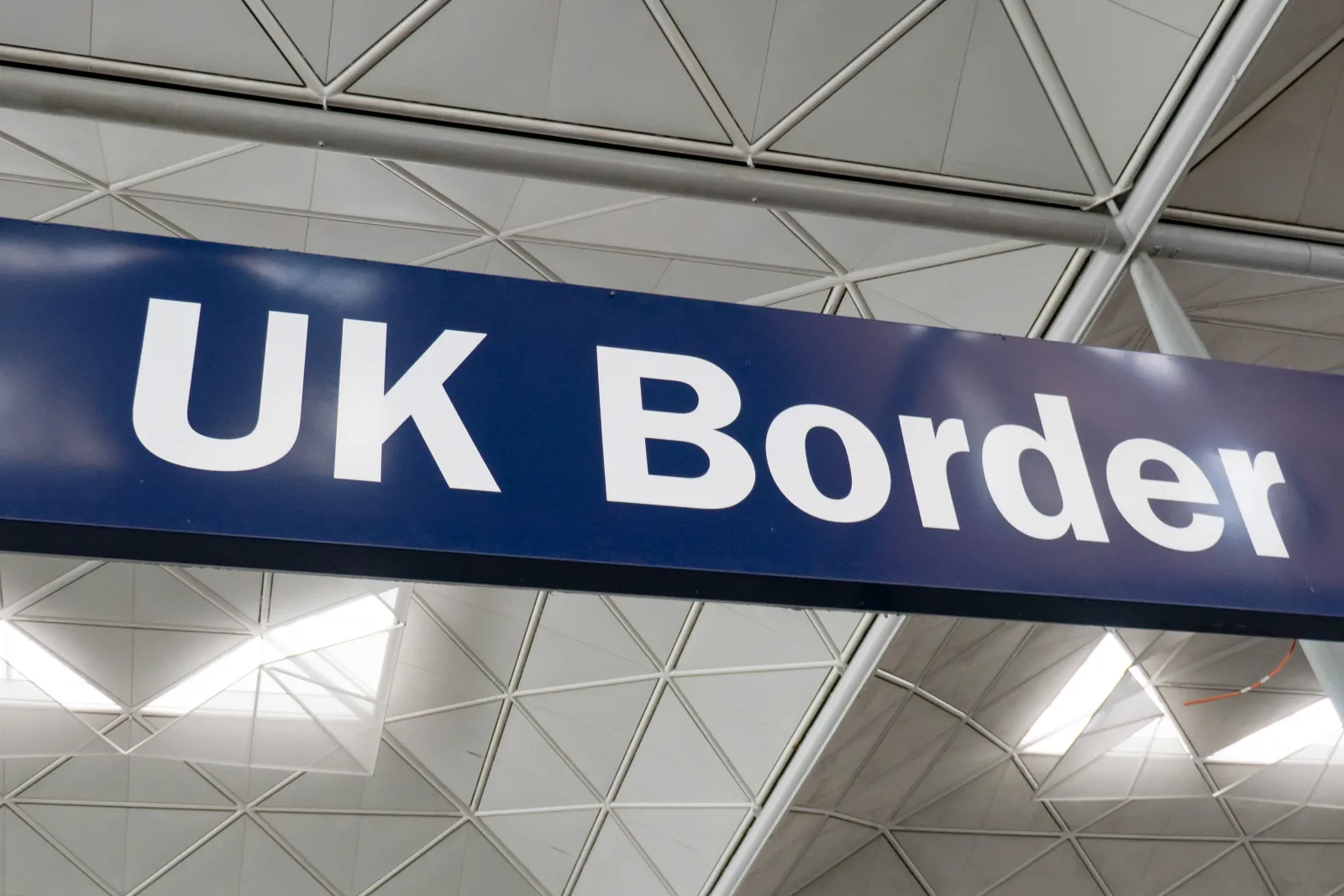
Labour ministers are patting themselves on the back over net migration tumbling to a 30-year low. It is welcome news that the headline figure has finally dipped below 100,000. But look behind the spin and you will see the drop is largely down to fed-up Brits packing their bags for a better life abroad. Official figures show 137,000 fewer British nationals living here, replaced by 258,000 non-Europeans, plus 68,000 asylum seekers.
Meanwhile, any modest fall in new arrivals owes far more to the tough visa reforms rushed through by Rishi Sunak's Tories before Labour won power. The reason the Government was able to do this stems from the Brexit vote. Do not expect the numbers to stay low in the long-term, either, because under a so-called reset deal, the figures will be swelled by 100,000 Europeans aged up to 31 who are taking advantage of a youth experience scheme.
Why British Net Migration Figures Are Falling
The recent drop in net migration figures has sparked intense political debate across the United Kingdom. While current leaders point to the milestone of numbers falling below 100,000 as a major policy success, demographic analysts and opposition figures urge caution. The headline statistics mask underlying trends that reveal a shifting population structure rather than a simple reduction in foreign arrivals.
Official data demonstrates that a significant portion of the downward movement in net migration is directly linked to an outflow of domestic citizens. As thousands of British nationals choose to leave the country, the statistical balance shifts. At the same time, the influx of non-European migrants and asylum seekers continues to shape the overall demographic picture, raising questions about long-term population planning and infrastructure strain.
The Impact of Previous Visa Reforms
A substantial driver behind the reduction in new arrivals can be traced back to policy adjustments implemented by the previous Conservative administration under Rishi Sunak. Those measures tightened criteria for work and family visas, restricting entry routes that had previously driven record migration highs. Analysts note that the current administration has largely benefited from the lag effect of those stricter controls taking hold.
Critics of the current government argue that claiming full credit for the drop ignores the legislative groundwork laid prior to the change in power. Without those earlier interventions, arrivals might have remained at elevated levels. The ongoing challenge for policymakers lies in maintaining lower net migration figures without relying solely on restrictive measures that could impact key employment sectors.
Future Migration Pressures and Youth Mobility Schemes
Looking ahead, demographers and immigration experts warn that the current low net migration figures may be temporary. Proposed policy adjustments, including a youth experience scheme aimed at European nationals up to the age of 31, threaten to push numbers back upward. Up to 100,000 young Europeans could enter the country under such arrangements, offsetting recent declines.
This potential influx complicates the broader national debate over borders and workforce needs. Businesses in hospitality and agriculture often welcome younger European workers to fill labor shortages, while critics argue that any loosening of migration controls undermines the original intent of Brexit. Balancing economic demands with public sentiment on population growth remains a central political test for the administration.
The Financial Cost of European Border Alignments
Discussions regarding relations with Brussels have also brought financial questions to the forefront. Proposals for a Brexit reset have been framed by proponents as a way to cut costs and streamline trade, but critics point to hidden expenditures. Taxpayers could face tens of millions of pounds in bills for the privilege of accepting regulatory alignment without having a vote on the rules themselves.
Food producers and exporters face specific hurdles, as surcharges and member-style operational contributions loom before border checks are lifted on food and drink exports. Industry voices warn that these added fees, including a four per cent surcharge for non-member status, will not result in consumer savings at the supermarket checkout. The financial reality of these arrangements contrasts sharply with initial political promises of efficiency and savings.
Public Reaction to High-Profile Disgraces
Beyond macroeconomic and migration debates, public attention has also focused on accountability for disgraced public figures. Former television broadcaster Huw Edwards recently drew widespread criticism after plans emerged for him to discuss his personal difficulties on prime-time television. Edwards avoided a custodial sentence in 2024 despite hoarding 41 indecent images of children, including victims as young as seven.
Public anger has been compounded by the fact that he retained £200,000 in salary from the BBC following his arrest, with no public indication of repayment or remorse. Observers and viewers have expressed strong disapproval at attempts by convicted offenders to rebrand their narratives in the media. This backlash highlights a broader cultural demand for genuine contrition and accountability from individuals who hold positions of public trust.