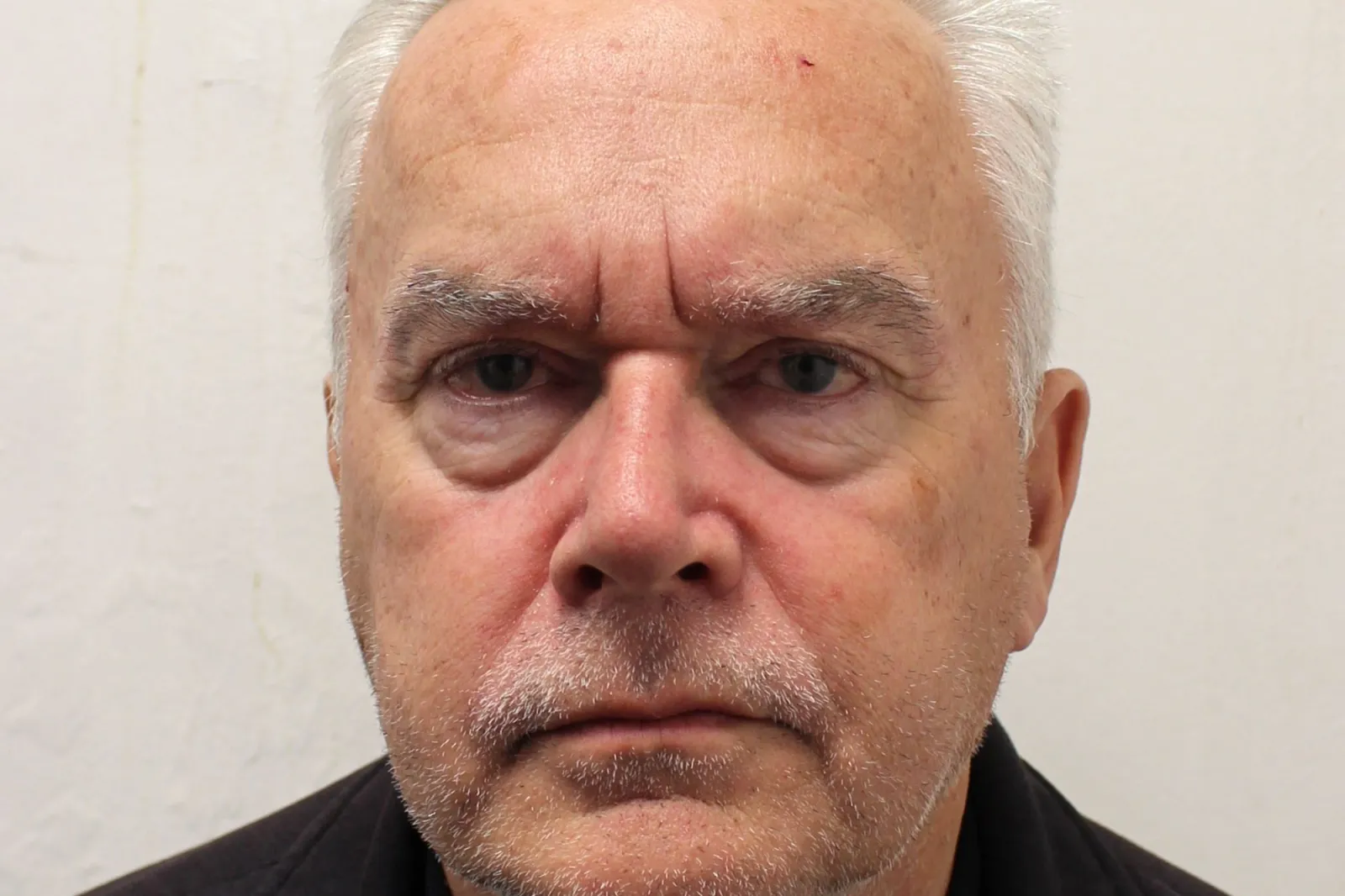
What Happened to Huw Edwards?
Former BBC news presenter Huw Edwards was convicted of serious offences involving indecent images of children. A court sentenced him to be placed on the sex-offender register for seven years. The conviction relates to possession of child sexual abuse material, including video depicting the rape of a child as young as seven.
Edwards, who earned £480,000 a year as the chief news voice of the corporation, was found guilty after police seized digital files from his devices. The court record shows he admitted to owning the material and to communicating with other offenders about further content.
Official Reaction from the Prime Minister's Office
A spokeswoman for the Prime Minister commented on the case yesterday, saying: "Huw Edwards was convicted of serious offences involving indecent images of children. Our thoughts, first and foremost, will be with the victims of child sexual abuse and exploitation, and we have no interest in hearing what he has to say. These are extremely serious crimes, and anyone convicted of them must face the consequences of their actions."
The statement underscores the government's position that the legal outcome must be respected and that victims' welfare remains the priority.
Media Coverage and Public Debate
Channel 4 released clips ahead of a documentary scheduled for broadcast on Tuesday. In those clips, Edwards is heard using the phrase "I lost the plot" while describing his own conduct. The language has been widely criticised as an attempt to minimise the gravity of the offences.
Former colleagues now working for The Observer and Tortoise Media have described the situation as a "terrible fix" for the ex-newsman. Their comments have been interpreted by some observers as an effort to frame the story in terms of personal hardship rather than the criminal conduct.
Allegations of Financial Exploitation
According to an affidavit submitted to the press, a mother claimed her teenage son's drug habit was being funded by Edwards. The affidavit states that Edwards sent "thousands in cash" to the teenager in exchange for explicit images. The mother said she could not access all of the messages but believed the payments were part of a grooming pattern.
The affidavit also notes that Edwards was "four decades older" than the teenager and held a position of "huge authority" as a trusted news presenter. The power imbalance, combined with the alleged financial transactions, is presented as a central element of the alleged abuse.
Legal Consequences and Register Placement
Following the conviction, the court ordered Edwards to be placed on the sex-offender register for a period of seven years. Registration requires regular reporting to police, restrictions on internet use, and notification of any change of address.
Under UK law, individuals on the register are subject to monitoring and may face additional restrictions on employment, especially in roles involving contact with children.
Impact on Victims and Ongoing Concerns
The victims depicted in the illegal images have not been given a platform in the current media coverage, according to the article's author. Victims' advocacy groups argue that any public discussion should centre on survivor voices and on measures to prevent future abuse.
Child protection charities have reiterated the need for robust safeguarding procedures within media organisations, noting that high-profile cases highlight gaps in oversight.
What Comes Next?
Edwards is expected to appear before a parole board before the end of his seven-year registration period. The board will assess risk factors, compliance with registration requirements, and any evidence of rehabilitation.
Legal experts note that the registration period is a minimum; the individual may remain on the register for longer if deemed necessary. The case also raises questions about whether additional civil actions could be pursued by victims or their families.
Practical Takeaways for Readers
Anyone who suspects illegal child sexual abuse material should report it to the National Crime Agency's online reporting portal or contact local police. The UK has a mandatory reporting duty for professionals who work with children.
For families concerned about grooming, experts advise monitoring online communications, limiting cash transfers to minors, and seeking professional help if a child shows signs of exploitation.
Media organisations are urged to review internal policies on employee conduct, especially regarding personal use of digital devices and interactions with vulnerable individuals.
While the legal process continues, the case remains a stark reminder of the serious consequences of possessing and distributing indecent images of children.