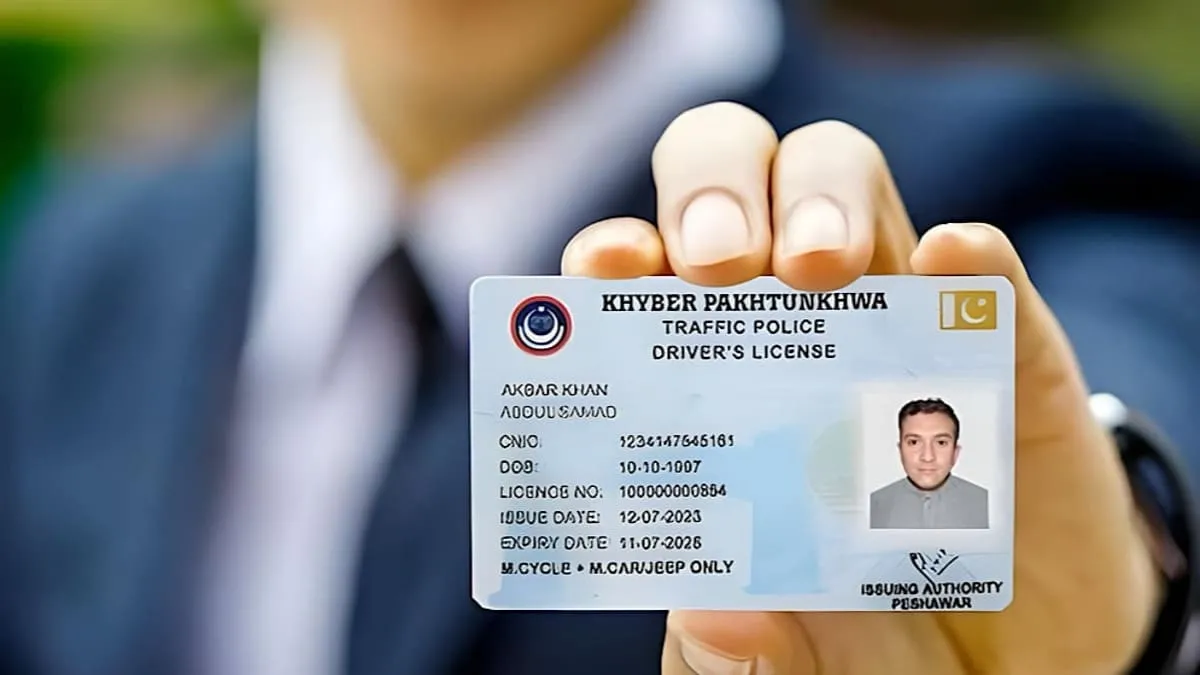
Drivers Could Lose Licences Under Proposed Demerit Points System
The Khyber Pakhtunkhwa Transport Department has prepared a draft demerit points system for driving licence holders, under which motorists could face licence suspension for repeatedly violating traffic laws. This legislative and regulatory proposal aims to target habitual traffic offenders and improve overall road safety across the region by holding motorists directly accountable for specific infractions on public roads.
Under the proposed system, drivers accumulating 10 demerit points within two years will receive a warning, while those reaching 20 points during the same period will face suspension of their driving licences. The two-year rolling window creates a structured tracking environment where recurring reckless behaviour accumulates consequences over time rather than punishing isolated mistakes instantly with total bans.
How the Demerit Points System Works
According to the draft, causing a fatal traffic accident will carry 15 demerit points, while causing injuries will result in 10 points. These high-value point allocations reflect the severe nature of accidents resulting in bodily harm or loss of life, placing the heaviest penalties on the most dangerous road incidents.
Driving under the influence of intoxicating substances will attract eight points, while violating a red traffic signal will carry six points. Operating a vehicle while impaired poses a severe hazard to the public, and running red lights directly challenges intersection safety protocols enforced by traffic authorities.
The proposed penalties will also cover reckless driving, illegal U-turns and violations of one-way traffic rules, with two to six points prescribed for these offences. These mid-tier penalties address everyday hazards that frequently disrupt traffic flow and cause preventable collisions on urban and rural roadways alike.
Implementation and Software Tracking
The draft further proposes recording traffic violations in the driving licence software system maintained by the Khyber Pakhtunkhwa Information Technology Board (KPITB). Digital integration ensures that police and transport officials can track violations accurately across different districts without relying solely on manual paperwork or physical licence markings.
The demerit points mechanism is currently at the draft stage. Authorities have not yet announced a final implementation date, as the framework must still undergo administrative reviews and formal approval processes before becoming active law.
Background on Traffic Regulation in Khyber Pakhtunkhwa
Road safety management in Khyber Pakhtunkhwa has historically relied on traditional fines and occasional manual licence confiscations by traffic police. These conventional methods often failed to deter repeat offenders, who could pay small monetary fines repeatedly without facing long-term administrative consequences for their driving habits.
The introduction of a points-based tracking architecture aligns local enforcement with international standards used in various global jurisdictions. By shifting toward a cumulative penalty structure, transport officials hope to create a transparent record that clearly identifies drivers who consistently endanger others on the road.
Role of the Khyber Pakhtunkhwa Information Technology Board
The involvement of the Khyber Pakhtunkhwa Information Technology Board (KPITB) highlights the administrative shift toward digital governance in provincial transport management. The KPITB builds and maintains technology infrastructure for government departments, ensuring that public databases remain secure and accessible to authorized personnel.
Integrating traffic violation records into the existing driving licence software means that points will be logged automatically against a driver unique identification number. This digital trail minimizes human error and corruption potential, providing an objective record of every registered motorist behaviour over the designated two-year evaluation period.
Impact on Motorists and Commercial Drivers
Daily commuters, commercial transport operators, and private vehicle owners across Khyber Pakhtunkhwa will need to adjust their driving habits once the draft rules take final effect. Commuters who frequently navigate congested city streets or high-speed provincial highways must pay closer attention to signals, lane discipline, and speed limits to avoid accumulating warning thresholds.
Commercial drivers, whose livelihoods depend entirely on holding a valid driving licence, face the highest stakes under the proposed threshold rules. Accumulating 20 points within two years due to minor infractions like illegal U-turns or red light violations could result in a complete suspension, effectively halting their ability to work.
What Comes Next for the Draft Policy
As the framework remains at the draft stage, transport planners and legal experts will review public and departmental feedback before finalizing the legislation. Observers should watch for official announcements from the Khyber Pakhtunkhwa Transport Department regarding public consultations, legislative approvals, and the eventual rollout schedule for the KPITB software integration.





