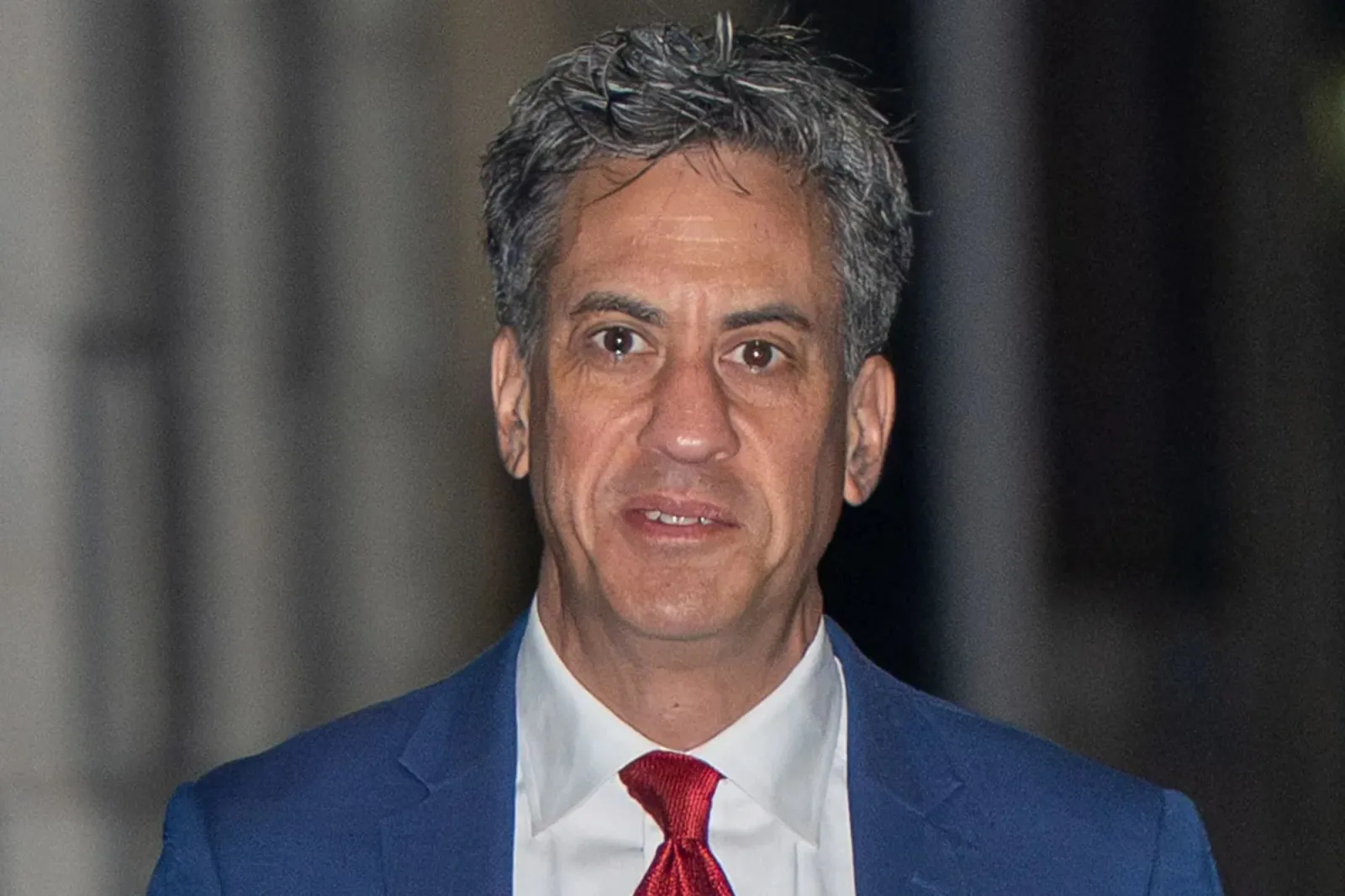
Ed Miliband Admits Brits Face Costs in New EU Deal
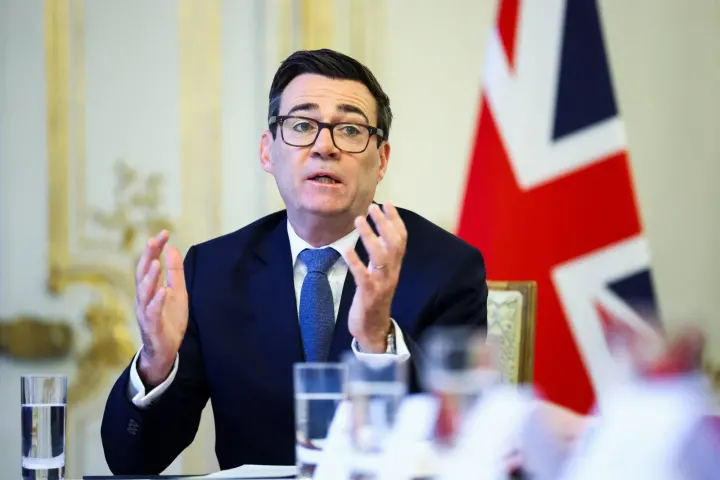
Foreign Secretary Ed Miliband has acknowledged that the public faces tangible costs and trade-offs as the government prepares for a crucial summit with the European Union. Speaking on Radio Four's Today programme, Mr Miliband braced the nation for a strings-attached arrangement that ministers are currently negotiating. The developments arrive as high-stakes discussions take place in Brussels, drawing sharp criticism from political opponents across the spectrum.
Mr Miliband told the broadcast audience that the Prime Minister will lay out various options after the summit concludes. He stated, What the Prime Minister will do after this summit is lay out the options and there will be trade-offs. Of course there will be costs and benefits of different options. This frank admission underscores the delicate nature of the diplomatic push.
What Ministers Plan to Sign at the Brussels Summit
Reports indicate that government ministers are preparing to sign away key freedoms secured during Brexit. The upcoming agreements threaten to bind Britain to strict European Union regulations concerning food standards, carbon trading schemes, and youth mobility frameworks. Critics argue these concessions roll back the sovereignty and regulatory independence that left the bloc years ago.
Despite these concerns, the Prime Minister's official spokesman defended the diplomatic push, stating that the main aim of the summit was also to drive growth. The government maintains that closer alignment with continental markets will benefit domestic industries, even as sceptics warn of the price attached to such cooperation.
Tory Leader Kemi Badenoch Slams EU Obsession
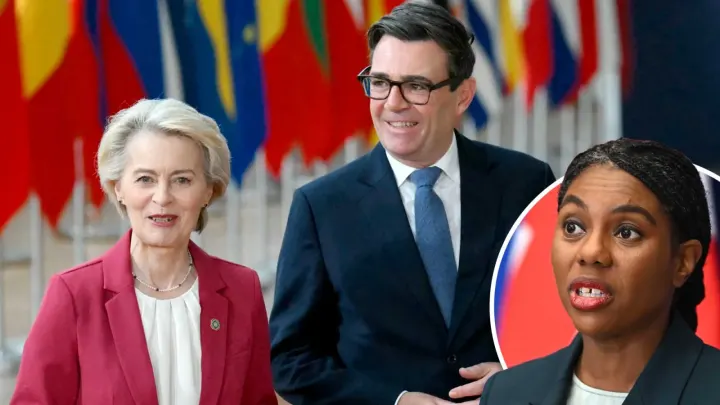
Conservative leader Kemi Badenoch launched a blistering attack in response to the unfolding events, directing her ire at the government's renewed focus on Brussels. She urged officials to focus on domestic priorities instead of pursuing continental ties. Sort out the economy, fund our defence, cut welfare, she blasted during her critique.
Mrs Badenoch further emphasised that public sentiment remains firmly against integration with the bloc. She claimed that Britain would vote to stay out of Europe instead of rejoining if a referendum was held today, highlighting deep ideological divisions over the nation's future direction.
Reform UK Warns of Freedom of Movement and Financial Burdens
Reform UK figure Richard Tice added his voice to the growing chorus of condemnation, focusing heavily on the potential financial and logistical burdens of the new arrangement. Even Remainiac Ed Miliband admits there are costs to rejoining the EU, Mr Tice stated in a fiery public release.
Mr Tice outlined several major concerns regarding the trajectory of the talks, warning of significant policy shifts. Freedom of movement with 450million people, sending £750million a week to the EU, and losing our new trade deals to name just a few, he noted. He added that the entire exercise is a cynical attempt to deflect from domestic policy errors.
The Economic Debate Over Regulation and Growth
The diplomatic friction coincides with fresh scrutiny over the comparative strength of domestic industries against continental competitors. Supporters of regulatory divergence point out that Britain's artificial intelligence sector is currently pushing economic growth statistics well above those recorded in Europe, where much tighter regulations often stifle innovation.
This economic contrast fuels the ongoing argument among policymakers about whether regulatory alignment helps or hinders domestic prosperity. While ministers argue that cooperation drives expansion, industry advocates fear that adopting European rules will shackle high-growth sectors with unnecessary bureaucratic red tape.
Former Leaders Weigh In on the Brexit Debate
The controversy has also drawn commentary from unexpected figures within the political establishment. Even former Prime Minister David Cameron has reportedly warned against rejoining the European Union, despite his own prominent role leading the Remain campaign during the 2016 referendum.
Mr Cameron's reported stance illustrates the profound shift in the political landscape since the historic vote. As the crunch summit approaches, leaders from all factions continue to battle over the legacy of Brexit and the proper degree of separation from Brussels.