England's friendliest destinations have been identified through a new interactive index, giving travellers and residents a clear picture of the most welcoming local authorities across the country. Based on official data from the government Community Life Survey, the tool evaluates areas by scoring them out of 100 across multiple categories that measure social connection, civic pride, and trust among residents.
The Isles of Scilly claimed the highest rank on the list, achieving an overall score of 99 out of 100 in the comprehensive evaluation. This detailed index aims to shed light on what brings communities together and highlights the regions where people report the highest levels of neighbourly trust and local belonging.
How the Community Life Survey Measures Friendliness
The metrics behind these rankings come directly from existing data collected by the Government through the Community Life Survey. Each local authority receives a score out of 100 based on specific criteria that reflect the social health of a population.
Categories included in the scoring process examine how often residents chat with their neighbours and measure personal feelings of loneliness and belonging. The evaluation also accounts for the level of trust people have in those living nearby, local pride, volunteering rates, and general levels of participation in civic life. By combining these factors, the tool builds a reliable profile of community strength in different regions.
The Isles of Scilly Take First Place
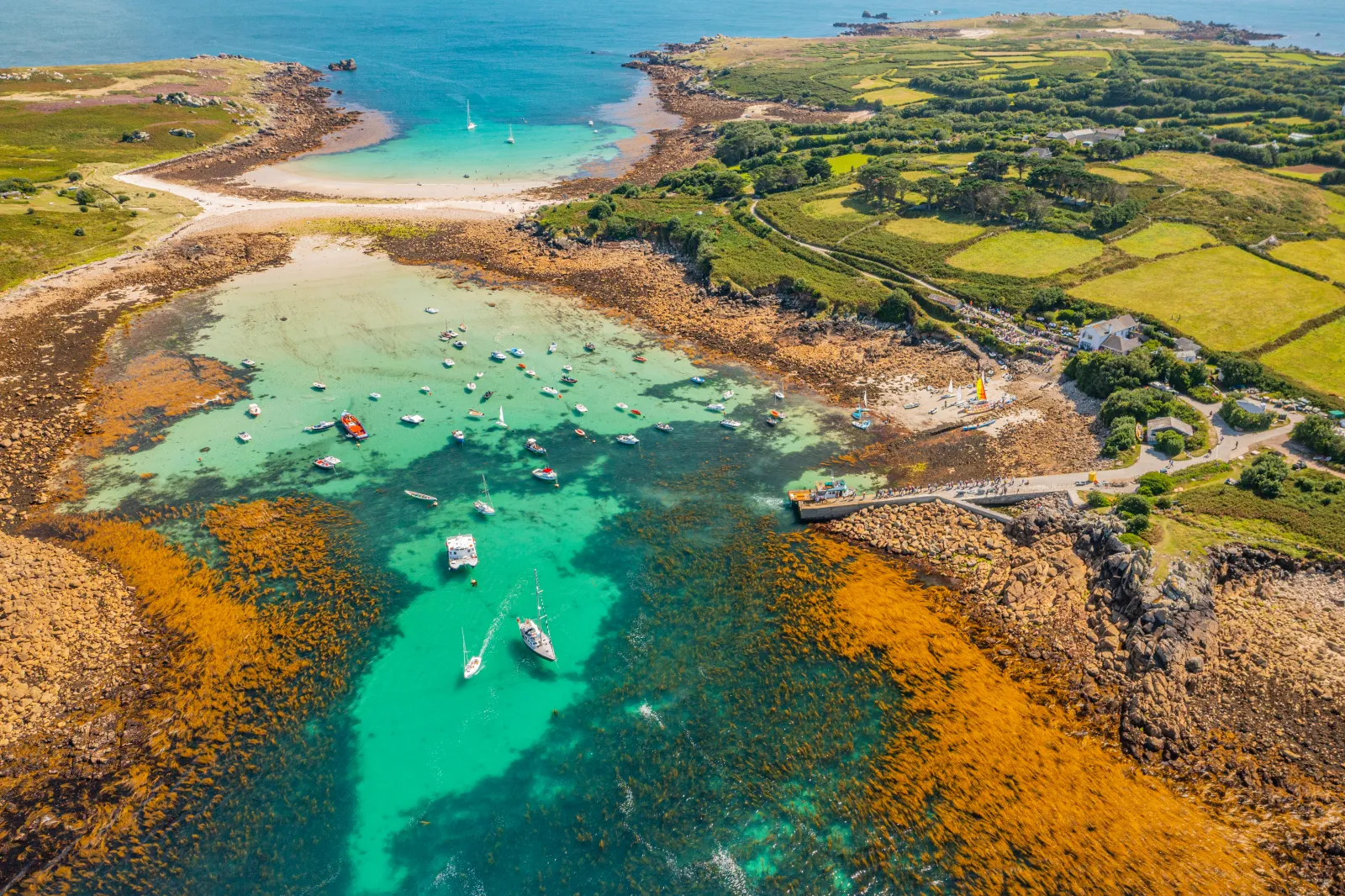
Coming out on top of the index is The Isles of Scilly with an overall score of 99 out of 100. Survey results for the area showed that 100 per cent of respondents felt they belonged to their neighbourhood, that they can trust many of the neighbours, and that different backgrounds in the area get on well.
Additionally, 99 per cent of those surveyed said they were proud to live in the area. The Isles of Scilly sit around 28 miles off the coast of Cornwall and are known for crystal clear waters and white sand beaches. Only five of the 140 islands are inhabited, which include St. Mary's, Tresco, St. Martin's, Bryher, and St. Agnes, and visitors can reach them by catching a ferry from Penzance.
South Hams and West Devon Secure Top Spots
The South Hams in Devon followed closely in second place, achieving a score of 97 out of 100 overall. This region of Devon is home to numerous pretty towns as well as a stunning coastline.
Travel reporter Cyann Fielding who grew up in the district said: "Wherever you go in the South Hams, you will meet fascinating and friendly people with a story to tell."
Fielding added: "For example, head to Totnes and you will find a bustling market with passionate sellers. You could also head to Dartmoor for a breathtaking walk or hike. The district has 60 miles of coastline as well, so you won't miss out on beaches. Salcombe is one top spot, but there's also key surfing spots like Bantham Beach."
West Devon secured third place in the index, scoring 94 out of 100 overall. Spanning 448 sq m, the district allows visitors to explore historic market towns such as Tavistock, which sits on the edge of Dartmoor. For those wanting to hike across the moors, Okehampton serves as a great base to set off from.
The Rest of the Top Ten Friendliest Communities
Following the top three regions, the Derbyshire Dales claimed fourth place, while Richmond upon Thames followed in fifth position. The index rankings continue to highlight welcoming regions across England.
THESE are the top 10 friendliest communities, according to the Community Life Survey:
- Isles of Scilly
- South Hams
- West Devon
- Derbyshire Dales
- Richmond Upon Thames
- Stratford-on-Avon
- Stroud
- Rutland
- Winchester
- Lewes
At the other end of the scale, Barking and Dagenham was named the least friendly spot in the UK, with Ashfield and Stoke-on-Trent also appearing in the bottom three of the index.
Purpose of the Community and Cohesion Index
The Index was developed by the Secretariat to the Independent Commission on Community and Cohesion. It is designed to encourage people to share their own views of their area as part of the National Conversation.
The primary purpose of the survey is to try and understand better what connects and divides people across different parts of the country, using robust public data to map social cohesion.