Khyber Pakhtunkhwa Launches Scholarship Program for Madrasa Students
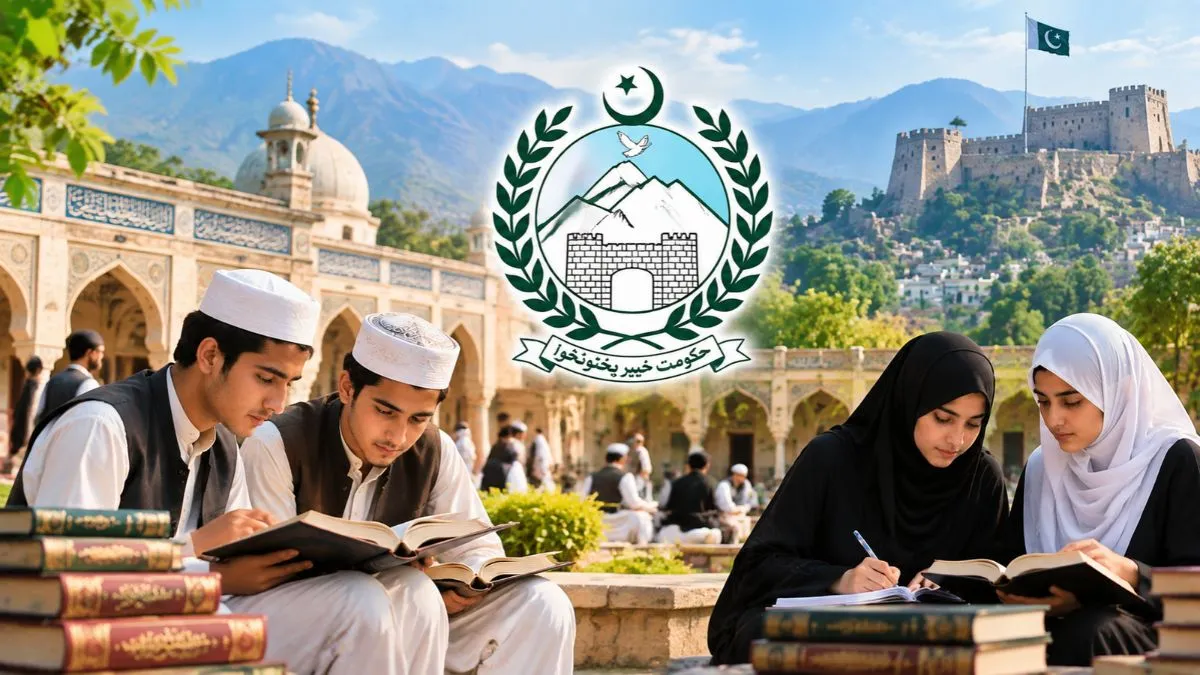
The Khyber Pakhtunkhwa government plans to award scholarships of up to Rs. 200,000 to 3,500 students enrolled in registered religious seminaries under the Rehmatul-lil-Alameen Scholarship Scheme. This financial support initiative seeks to reach students pursuing various levels of traditional religious education across the province, bridging educational funding gaps for individuals studying in registered institutions.
The scholarship initiative, described in a departmental video as a Rs. 50 crore program, aims to provide financial assistance to male and female students pursuing different levels of religious education across the province. Officials designed the framework to ensure broad inclusion, opening avenues for both young men and women dedicated to theological studies.
How the Rehmatul-lil-Alameen Scholarship Scheme Works
The Auqaf, Hajj, Religious and Minority Affairs Department has reportedly received nearly 10,000 applications for the scholarships. The department has now formed a scrutiny committee to verify applications and identify students who qualify for financial assistance.
According to an official notification issued on November 19, 2026, the committee will review applications received under Annual Development Program (ADP) Scheme No. 210487, titled Rehmatul-lil-Alameen Scholarships to Deeni Madaris Students. This specific administrative pathway ensures that public funds allocated through the provincial development budget reach their intended targets through transparent bureaucratic protocols.
The reported scholarship distribution plan covers three categories of religious education, with financial assistance ranging from Rs. 100,000 to Rs. 200,000 per student. These tiered amounts reflect the varying levels of advanced study, research, and time commitments required for each specific theological tier.
Financial Assistance Breakdown by Educational Level
Under the plan, 1,100 students studying Shahadat-ul-Aalia will receive Rs. 100,000 each, while 1,200 students enrolled in Shahadat-ul-Alamia will receive Rs. 150,000 each. Another 1,200 students pursuing Takhassus will receive Rs. 200,000 each, the highest scholarship amount offered under the reported plan.
With nearly 10,000 applications received for 3,500 scholarships, the department will use the verification process to identify students who meet the requirements. The competition is intense, as three times as many applicants applied compared to the total number of available slots funded by the provincial administration.
Applicants must demonstrate active enrollment in registered seminaries across Khyber Pakhtunkhwa. Educational administrators note that proper registration with relevant oversight bodies remains a mandatory prerequisite for any student hoping to clear the upcoming bureaucratic scrutiny phase.
The Scrutiny Committee Verification Process
The department has directed the committee to carefully review applications and assess students according to the scholarship's eligibility requirements, merit rules, and assigned quotas. Committee members must cross-check institutional records, verify personal identification documents, and ensure that every candidate satisfies the baseline criteria set by the province.
Once the committee completes the verification process, it will prepare a list of eligible students and send its recommendations to the relevant government authority for final approval. This multi-step governance structure guards against administrative errors and guarantees that public funds are disbursed solely to qualified candidates.
Educational policy experts observe that stringent verification steps help maintain public trust in government-funded welfare programs. By implementing structured merit rules and quotas, the provincial administration attempts to distribute financial relief fairly among deserving seminary scholars.
Background of Religious Education Funding in Pakistan
Religious seminaries, or deeni madaris, have long served as primary educational institutions for millions of students across Pakistan, offering housing, board, and instruction in classical Islamic texts. Historically, these institutions operated almost entirely on private philanthropy, local donations, and zakat contributions. In recent years, provincial and federal governments in Pakistan have sought to integrate these seminaries more closely into the mainstream educational framework by encouraging formal registration and curriculum alignment.
Scholarship programs tailored specifically for seminary students represent a growing trend among public administrators aiming to reduce educational inequality. Students in religious institutions often face distinct economic challenges compared to their peers in conventional public schools and universities. Financial grants help offset daily living expenses, purchase necessary texts, and support advanced academic specialization.
The Rehmatul-lil-Alameen title used for this scheme frequently appears in educational and social welfare initiatives across Pakistan. Governments use this nomenclature to honor Islamic traditions of learning, charity, and public service. By channeling development funds through ADP schemes, provincial planners secure recurring annual budget lines for targeted student support.
Impact on Students and Seminary Communities
The injection of Rs. 50 crore into the seminary ecosystem of Khyber Pakhtunkhwa carries substantial practical weight for recipients. For a student receiving Rs. 200,000 at the Takhassus level, the funds remove immediate financial pressures, allowing uninterrupted focus on research and advanced scholarship. Female students pursuing religious education also stand to benefit directly from these merit-based quotas, gaining crucial support for their academic pursuits.
Local businesses, regional educational book vendors, and seminary administrators watch these developments closely as the verification process unfolds. While the immediate beneficiaries are the 3,500 successful scholars, the broader community experiences secondary relief as student purchasing power and institutional stability improve.
Critics and supporters alike monitor transparency closely when public funds intersect with private religious institutions. The detailed notification and formation of a dedicated scrutiny committee aim to address transparency concerns directly by establishing a clear paper trail from application to final disbursement.
What Comes Next for Applicants
As the scrutiny committee dives into the nearly 10,000 submitted forms, applicants wait for official announcements regarding the finalized merit lists. Educational department officials have not published a precise date for the completion of the verification process, but administrative guidelines require thoroughness over speed.
Once the committee compiles its final recommendations and secures approval from the relevant government authority, successful candidates will be notified through official channels. Disbursal of funds will follow directly after final administrative sign-off, routing payments to verified students according to their respective educational tiers.
Observers advise applicants to keep their institutional registration documents and identification papers ready for any follow-up inquiries from the scrutiny committee. Monitoring official departmental updates remains the safest way for students to track the status of their submissions under ADP Scheme No. 210487.