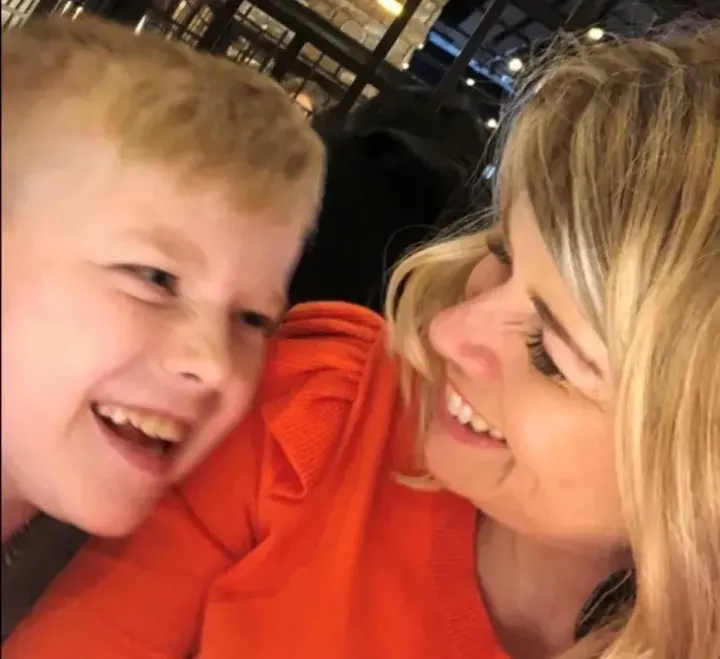
Gemma Buckham, 44, died on April 9 after a routine knee operation led to a blood clot, pulmonary embolism, cardiac arrest and ultimately multi-organ failure, an inquest at Northumberland Coroners' Court heard.
The inquest, held in Morpeth, detailed how the mother of a young adult son suffered a cardiac arrest at home in Wooler, was resuscitated by her son Leon, but later died when life-support was withdrawn.
What Happened: Timeline of the Surgeries and Complications
Gemma had struggled with knee problems since she was 14. In 2025 she underwent a successful surgery to stabilise her right knee. Seeking the same relief for her left knee, she elected to have a tibial tubercle osteotomy on 27 February 2026 to address patellar instability and chronic pain.
The tibial tubercle osteotomy repositions the bony prominence on the shin where the patellar tendon attaches, thereby stabilising the kneecap and preventing future dislocations. Initial post-operative reports indicated the procedure was successful.
Two weeks after the February operation, Gemma heard a popping sound from the knee and experienced severe pain. Imaging showed the bone at the surgical site had splintered, necessitating a second operation on 20 March 2026 to repair the fracture and secure the metal hardware.
The second surgery appeared to go well, but on 8 April 2026 Gemma developed a blood clot, a known risk after lower-limb orthopaedic surgery, especially when patients are immobile or continue to smoke.
How the Blood Clot Led to a Fatal Pulmonary Embolism
Doctors explained that a clot formed in the deep veins of the leg travelled to the lungs, causing a pulmonary embolism (PE). A PE blocks blood flow to the heart and can trigger sudden cardiac arrest, which is what occurred at Gemma's home.
Leon performed CPR and called emergency services. Gemma was taken to Northumbria Specialist Emergency Care Hospital, where she suffered a second cardiac arrest lasting ten minutes. Despite 12 doses of adrenaline and ongoing resuscitation, her heart could not be stabilised.
Scans later confirmed hypoxic encephalopathy - brain injury caused by insufficient oxygen - and multi-organ failure set in. Assistant coroner Paul Dunn recorded that life-support treatment was withdrawn, and Gemma died shortly thereafter.
Medical Opinions: Risks, Rarity, and Contributing Factors
Orthopaedic surgeon Rory Morrison testified that the bone had split between the screw holes fixing the metal plate - a rare complication he has seen only three times in his career. He noted that while the overall risk of a clot after such procedures is low, about 0.5-0.6 per cent, it is not zero.
Gemma was a smoker, a factor that increases clot risk. Although she had reduced her cigarette consumption, she continued to smoke, which the coroner's report identified as a contributing element.
She had been prescribed two weeks of the injectable anticoagulant Tinzaparin to mitigate clot formation. Her mother, Tracy Buckham, argued that a longer course might have prevented the fatal PE, but the surgeon emphasised that immobility after surgery also raises clot risk and that no operation can be completely risk-free.
Legal Findings: Coroner's Verdict and Cause of Death
The assistant coroner concluded that Gemma's death was the result of an "unwanted outcome of elective lower limb surgery." The narrative verdict listed the chain of events as follows:
- Elective left-knee tibial tubercle osteotomy on 27 February 2026.
- Second corrective surgery on 20 March 2026 after bone splintering.
- Development of a pulmonary embolism leading to out-of-hospital cardiac arrest on 8 April 2026.
- Subsequent multi-organ failure and death on 9 April 2026.
The coroner highlighted the rarity of a PE travelling from the leg to the heart and causing an immediate cardiac arrest at home, describing it as "a very rare occurrence."
Understanding the Procedure: Tibial Tubercle Osteotomy Explained
A tibial tubercle osteotomy is performed to treat patellar instability, a condition where the kneecap moves out of its normal track, causing pain and risk of dislocation. The surgeon cuts a section of the tibial tubercle, repositions it, and secures it with screws or a plate. This changes the angle of the patellar tendon, improving tracking.
Complications can include infection, hardware failure, non-union of the bone, and, rarely, fracture of the bone around the screws - the event that triggered Gemma's second surgery. Blood clots are a recognised risk after any lower-limb orthopaedic procedure, prompting prophylactic anticoagulation in many cases.
Impact on Families and the Wider Community
Gemma's family described her as a mother who would not have wanted to survive with severe brain injury and loss of independence. Her son Leon's quick response with CPR likely extended her survival by a day, giving the family time to be with her before life support was withdrawn.
The case has raised concerns among local residents about the safety of elective orthopaedic surgery, especially for patients who smoke or have other risk factors. It also underscores the importance of thorough post-operative monitoring for signs of deep-vein thrombosis (DVT) and PE.
What Patients Should Know: Preventing Clots After Surgery
Medical guidelines advise patients undergoing lower-limb surgery to:
- Engage in early mobilisation as soon as medically safe.
- Use prescribed anticoagulants for the recommended duration.
- Quit smoking well before the operation to reduce clot risk.
- Watch for symptoms of DVT, such as swelling, pain, or redness in the calf.
- Seek immediate medical attention if shortness of breath, chest pain, or sudden collapse occurs.
Healthcare providers are reminded to assess individual risk factors, including smoking status, and to tailor clot-prevention strategies accordingly.
Next Steps: Inquest Recommendations and Future Monitoring
The coroner's inquest did not issue a formal recommendation, but the findings highlight the need for:
- Enhanced patient education on smoking cessation before elective surgery.
- Potential review of anticoagulation protocols for patients with multiple lower-limb procedures in close succession.
- Improved post-operative follow-up to detect early signs of clot formation.
Local health authorities may consider reviewing current pathways to ensure high-risk patients receive extended prophylaxis and closer monitoring.
Gemma Buckham's tragic death serves as a reminder that even routine orthopaedic procedures carry inherent risks, and that vigilant post-operative care is essential to minimise those risks.