Pakistan and Uzbekistan Explore 10,000 New Worker Placements
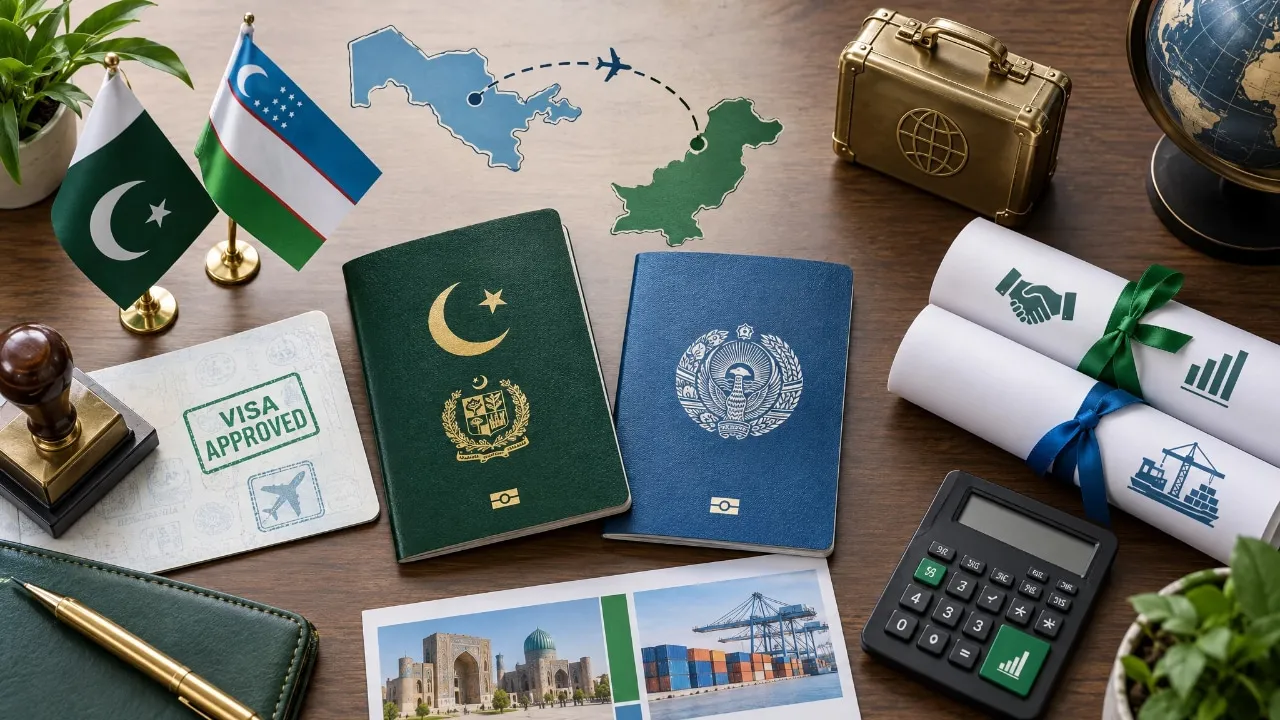
Pakistan is actively pursuing a major labor initiative to place up to 10,000 Pakistani workers in Uzbekistan through established legal channels and formal immigration procedures. This strategic diplomatic and economic push centers on creating secure employment pathways for unemployed youth from Pakistan who seek sustainable livelihoods abroad. The initiative emerged from a high-level meeting in Tashkent between Pakistan's Ambassador to Uzbekistan, Muhammad Mudassir Tipu, and Major Barrister Sajid Majeed Chaudhary (retd), who serves as the chief executive of GoForeign (Pvt) Ltd in Pakistan and GoForeign LLC in Uzbekistan.
The diplomatic engagement highlights a shared commitment by both nations to channel labor migration through authorized pathways rather than informal or risky routes. Ambassador Tipu formally commended the ongoing efforts of Major Barrister Sajid Majeed Chaudhary (retd) to unearth viable employment prospects within the Central Asian state. The proposed deployment of up to 10,000 workers represents a substantial scale-up in bilateral economic exchange, moving beyond traditional trade goods into human resource collaboration and workforce mobility.
The Three-Month Groundwork by GoForeign
The foundation for this labor mobility plan rests on three months of intensive groundwork conducted by GoForeign. Representatives from the firm investigated various sectors of the Uzbek economy to map out where foreign labor is most urgently required. This preparatory phase focused specifically on identifying secure employment prospects for unemployed Pakistani youth who face limited job security at home.
By conducting thorough market research on the ground in Uzbekistan, the organization laid the groundwork for a structured labor pipeline. This investigative phase ensured that the subsequent diplomatic talks were grounded in realistic assessments of the local labor market capacity, matching the skills available in Pakistan with the demands of employers in Uzbekistan.
Transitioning from B-2 Visas to E-Category Work Permits
A central technical focus of the discussions in Tashkent involved legal mechanisms for entry and residency. Both sides examined moving away from standard B-2 visa arrangements and transitioning toward the appropriate E-category work visas required for long-term formal employment. Officials stressed that all recruitment and placement activities must strictly comply with the immigration and labor laws of both Uzbekistan and Pakistan.
To safeguard the integrity of the program, the initiative is structured around several core principles:
- Transparent hiring practices
- Protection of workers' rights
- Employment through authorised channels
These measures are designed to prevent exploitation, curb illegal migration, and ensure that workers enjoy legal protections while residing abroad.
Broadening Economic Cooperation Through Trade and Investment
Beyond labor placement, the meeting in Tashkent addressed broader avenues of bilateral economic cooperation, including Uzbekistan's industrial and investment sectors. Discussions also explored potential import-export ventures to boost commercial ties between the two countries. Both parties agreed to transform these identified commercial opportunities into practical, measurable economic outcomes.
Enhanced trade ties between Pakistan and Central Asia have remained a major diplomatic objective in recent years. By combining labor mobility with industrial investment and import-export partnerships, both governments hope to build a more resilient and diversified economic partnership.
Diplomatic Support and Community Welfare in Central Asia
During the proceedings, Ambassador Tipu acknowledged the consistent support provided by Chaudhary to the broader Pakistani community residing in Central Asia. Particular attention was directed toward assisting distressed and vulnerable Pakistani nationals currently living in Uzbekistan. The ambassador assured full official assistance within his capacity to advance the proposed labor and investment initiatives.
This consular and community support remains a vital component of Pakistan's diplomatic mission in the region, ensuring that expatriates retain access to legal recourse and institutional backing while navigating life and work abroad.