Why Arsenal Failed to Overturn Max Dowman Red Card Despite Split Panel
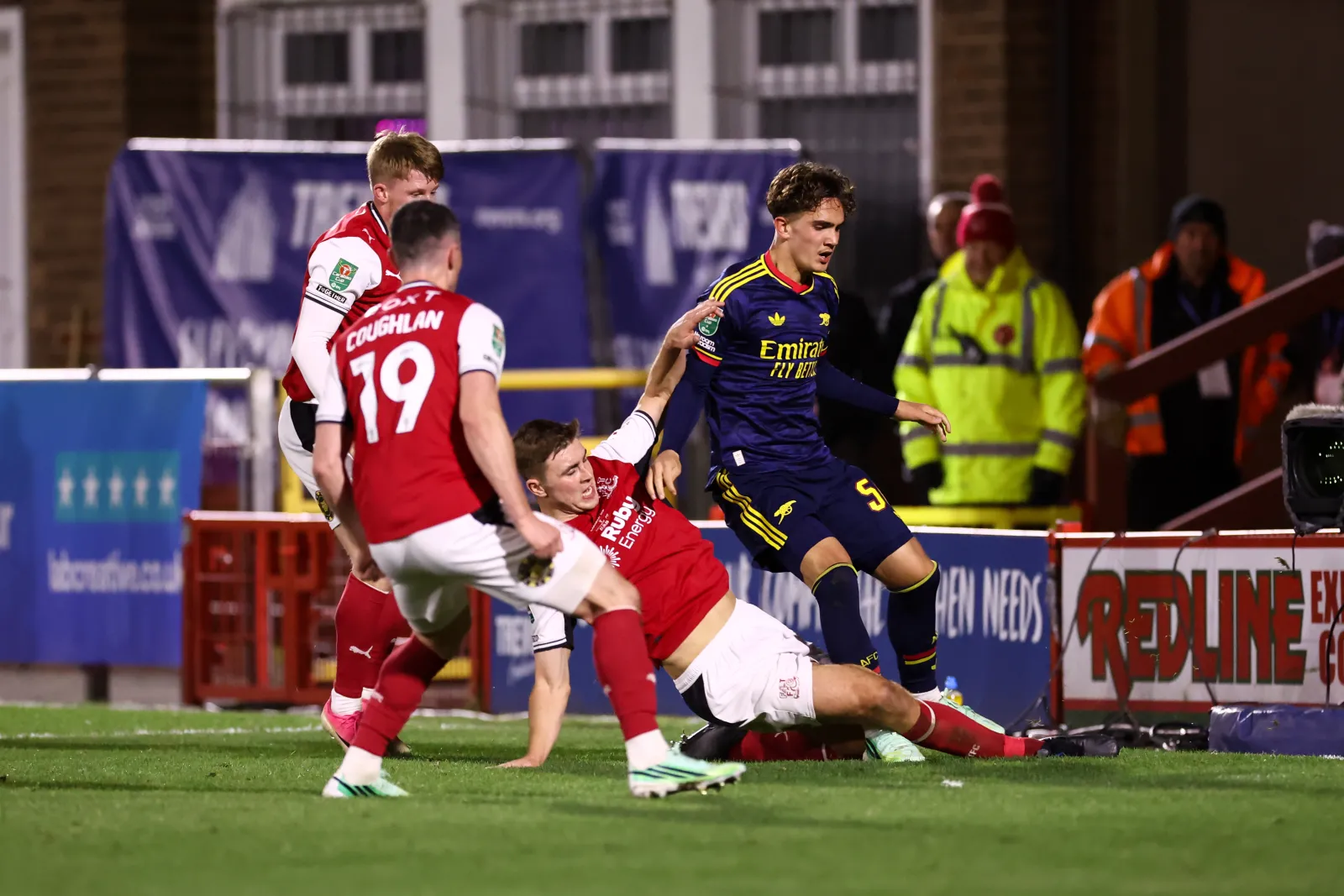
Max Dowman saw his red card appeal fail despite the three member commission being split on whether he should have been sent off in the Carabao Cup defeat at Fleetwood. The teenage ace was dismissed for his retaliation after being sent flying by a tackle from Fleetwood player Harrison Neal in the latter stage of the game. The winger kicked out and was red carded by referee Michael Salisbury, leaving the club to contest the disciplinary action through official channels.
Arsenal appealed, claiming both wrongful dismissal and a clearly excessive punishment, but both arguments were ultimately rejected by the regulatory authorities. Dowman is now serving a three match domestic ban, although he was a late substitute in Arsenal's Champions League win at Slavia Prague on Wednesday. The Football Association published its written reasons for the judgment, shedding light on the inner workings of the disciplinary panel and why the appeal ultimately fell short.
The Composition of the Disciplinary Panel and the Minority View
The independent regulatory commission was comprised of head and former Fulham midfielder Udo Onwere, ex-Blackburn and England winger Stuart Ripley, and one-time referee Ray Olivier. Within this trio, one member backed Dowman's case, creating a dissenting minority voice in the final verdict. The report confirmed this minority stance, stating that the referee had made an obvious error in sending off Max Dowman by misinterpreting a challenge.
According to the dissenting panel member, while the reaction was still unacceptable, it was better characterised as adopting an aggressive attitude rather than outright violent conduct. To the mind of the minority, there was no clear action that could be said to be one of excessive force or brutality. This perspective formed the core of Arsenal's argument during the hearing, though it was not enough to sway the majority of the panel.
The Majority Verdict on Violent Conduct
However, the two other commission members felt otherwise and formed the majority view that upheld the original refereeing decision. The majority report stated that the referee could not be said to have made an obvious error in issuing the red card. The panel noted that Max Dowman had received a forceful challenge which he did not see coming and became trapped following this challenge.
The written reasons detailed that Dowman reacted by attempting to kick out from this trapped position in a forceful way, clearly attempting to forcefully kick out. The panel observed that Dowman had the option to step out of the challenge without any reaction, but instead turned back towards Neal. His forceful attempt at a retaliatory kick gave the referee a decision to make, leading the majority to conclude that the attempted retaliation fell into the category of violent conduct.
Understanding the Carabao Cup Incident and Domestic Ban
The incident occurred during a tense Carabao Cup fixture against Fleetwood, a competition where younger talents often gain valuable first team exposure. As a teenage prospect, Dowman's involvement in high intensity senior matches brings both developmental benefits and the harsh realities of professional football disciplinary standards. The resulting red card triggered an immediate suspension that affects his availability for domestic fixtures across English competitions.
While domestic fixtures are off limits during his suspension, tournament rules allowed him to feature in continental competition. This distinction explains why he was able to appear as a late substitute in Arsenal's Champions League win at Slavia Prague on Wednesday. The three match domestic ban remains strictly enforced for domestic league and cup fixtures under Football Association jurisdiction.
Why the Excessive Punishment Claim Was Unanimous
Despite the disagreement over whether the red card itself constituted an obvious error, the commission members were unanimous as to whether the claim for clearly excessive punishment ought to succeed. All three panel members agreed that the standard three game ban was justifiable under the established disciplinary guidelines. The commission did not consider Dowman's age being a relevant factor in their deliberations regarding the length of the suspension.
The official report added that taking everything into consideration, the panel did not see any factors that would make this incident truly exceptional to the extent that the standard punishment ought to be disapplied. Consequently, the standard sanction remained intact, closing the door on any reduction to the three match ban despite the split vote on the initial sending off.