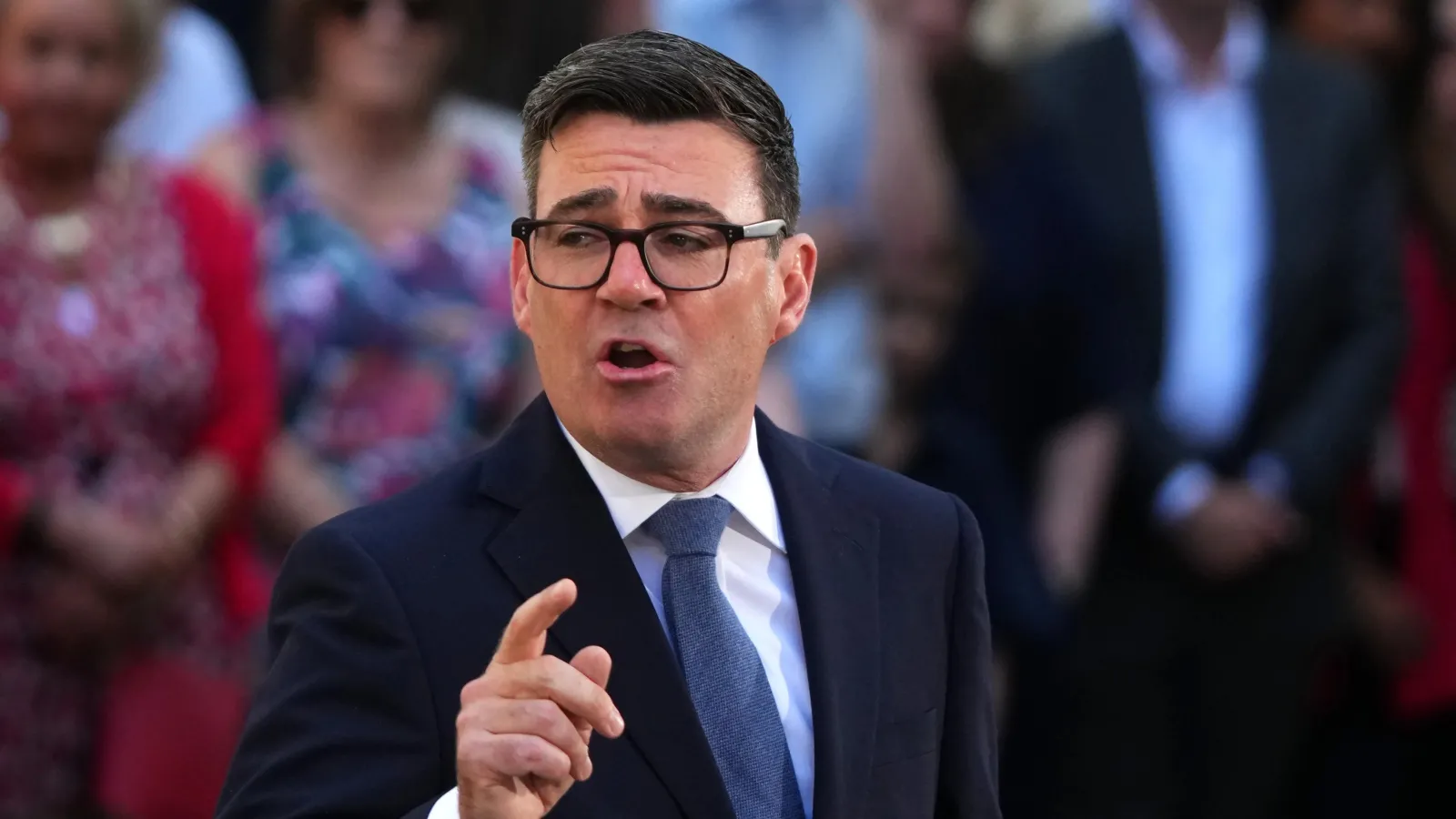
Of all the political issues that could threaten a administration, a row over axing free television broadcasts would normally rank low on the list of expectations. Yet in Makerfield, Greater Manchester, constituents are raising serious alarms about government proposals that could alter how millions of people watch television. Voters in the heartland seat are directing their frustration squarely at Prime Minister Andy Burnham, warning that stripping away traditional broadcasting could spell disaster for his time in office.
Millions of citizens remain entirely unaware that their basic right to receive free-to-air television signals could disappear in the coming years. Ministers are actively weighing plans to shut down traditional television broadcasts either in 2034 or 2044, which would compel every household to transition to online streaming. Labour initiatives to unplug Freeview could impact more than 8 million households across the country. Statistical data reveals that one in four homes across the nation currently lacks a television connected to the internet, leaving a vast demographic vulnerable to complete digital exclusion.
What Makerfield Voters Think About the Freeview Shutdown Plan
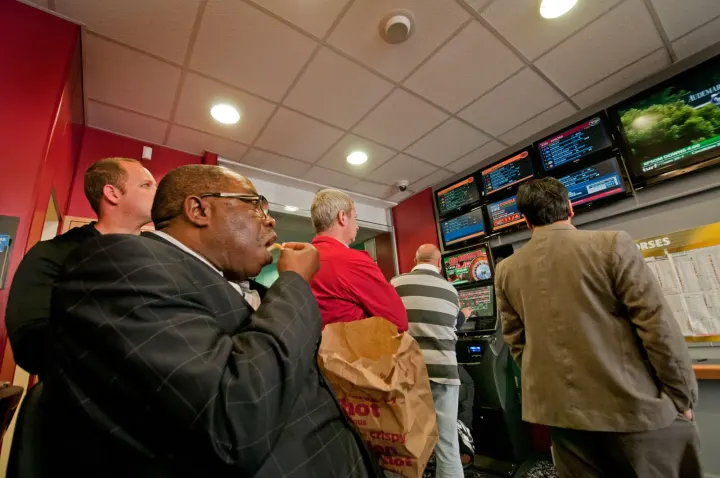
Inside the rustic Golden Lion pub in Makerfield, local residents gathered to discuss the direction of the country and the performance of their local Member of Parliament in Downing Street. While many locals felt it was too early to pass definitive judgment on the Prime Minister's early months in office, the prospect of losing traditional television provoked immediate anger. Constituents expressed genuine shock upon learning about the policy for the first time, noting that many elderly relatives lack the technical skills required to operate internet-based streaming services.
Keith, a local constituent, did not mince words when discussing the political fallout of the proposed digital migration. "I think that could bring the Government down," Keith said, sharing his perspective from the Makerfield pub. "All the old-age pensioners have to do is stand together on one issue, and they could bring them down." Another local resident, Gillian, pointed out the practical limitations facing her family. "My mum just isn't capable of doing that, so she watches the normal channels," she explained, emphasizing that vulnerable demographics rely heavily on the simplicity of standard aerial television.
The Makerfield Test and Broken Promises on Regional Fairness
During his election campaign earlier this year, Mr Burnham pledged to apply the Makerfield test to every major policy decision made by his administration. He promised that putting this principle at the center of British politics would ensure neglected regions finally receive fairness from Westminster. However, many residents in his own constituency feel that pushing ahead with the digital television shutdown directly violates that core commitment. Critics argue that forcing a transition to online viewing only serves to enrich large media organizations while harming ordinary working people.
Gillian added further criticism regarding government priorities, stating that other urgent national problems require immediate attention before officials start tinkering with broadcasting infrastructure. "There are things in this country that need looking at first, before we start looking at this, which is only going to make certain organisations wealthier," she said. Residents expressed deep concern that parents with young families alongside elderly citizens would bear the brunt of the negative impacts. Many voiced a growing sense of betrayal, feeling that the current administration acts against the exact working-class communities it claims to represent.
Why Traditional Working-Class Voters Are Turning Away from Labour
Political debates in Westminster concerning the loss of working-class support typically center on familiar topics such as immigration, Brexit frustrations, and soaring energy bills. However, stripping free-to-air television from the homes of ordinary citizens could well prove to be the breaking point for long-term supporters. Karen, a local voter, explained how the television policy might permanently damage her relationship with the ruling party. "For me, cutting off the pensioners, the people who can't afford things like that, would make me consider not supporting him going forward," Karen said.
Karen suggested that the leadership is losing touch with its historical roots and forgetting the people who placed them in power. "He's forgetting the people, which was his whole thing originally. He's forgetting his roots," she noted, adding that she has struggled to see the improvements promised over the years. Keith drew comparisons to previous political flashpoints, referencing the fierce public outcry over the winter fuel payment and pension triple lock controversies. "It could be a big thing for a lot of older people especially. It's just like the pension triple lock, isn't it?" Keith asked, warning that compounding these grievances could signal the end for the government.
Broadcaster Pressures and Public Opposition Nationwide
The British Broadcasting Corporation has publicly warned that popular programs will face deep cuts unless television broadcasting moves entirely online, generating millions in administrative savings for the corporation. Despite these financial justifications, public resistance remains exceptionally high across the entire nation. Three in four older British residents actively oppose proposals to eliminate Freeview television by 2034. Separate polling data indicates that six in ten pensioners would feel outright furious if traditional aerial broadcasts were permanently switched off.
In response to these mounting concerns, media campaigns have emerged to protect free-to-air broadcasting for households that rely on standard aerials. Political pressure is also intensifying inside Parliament, where more than 70 members of the legislature have signed a formal letter urging ministers to guarantee the future of free television well past 2034. Opposition parties, including both the Conservatives and Reform UK, have aligned themselves with the campaign to protect traditional viewing rights. Makerfield constituents have delivered a stark ultimatum to Downing Street: protect free television sets or risk losing their political premiership.