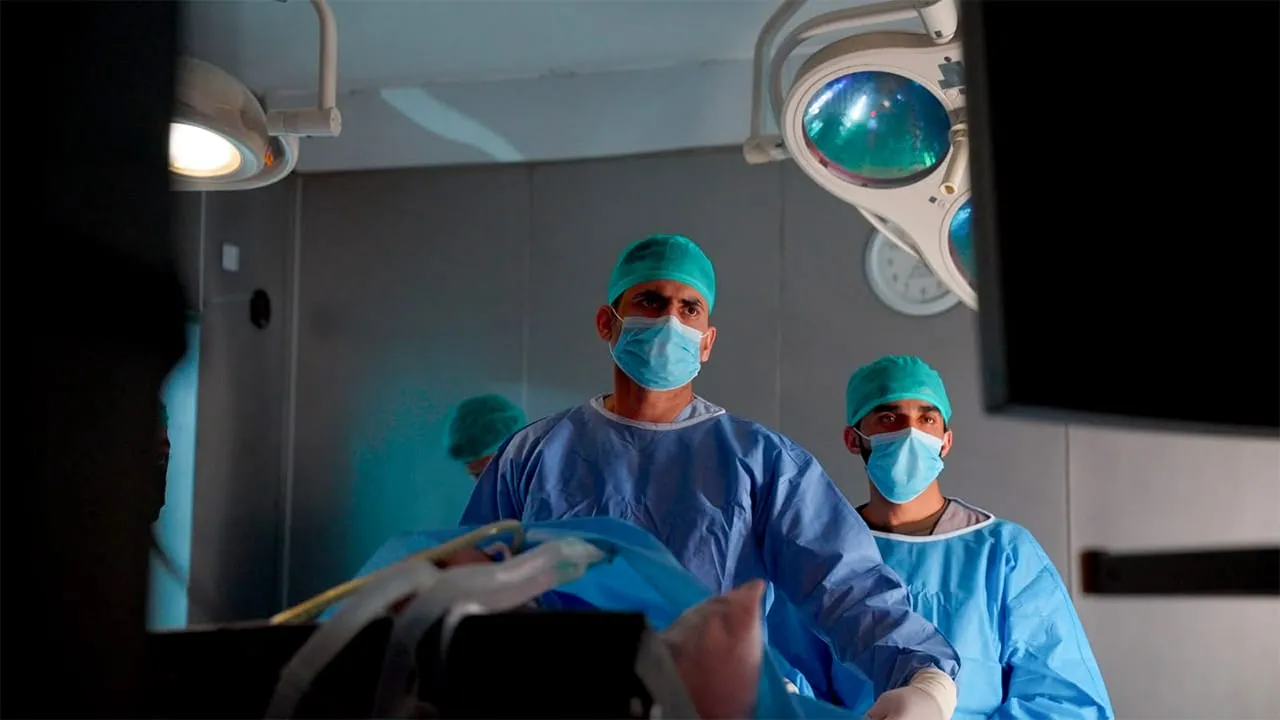
FAISALABAD: On a weekend dedicated to obesity awareness, renowned bariatric surgeon Dr. Tanveer Abbas performed a revision bariatric operation on a 215 kg patient, underscoring Faisalabad's growing capacity to treat severe obesity with modern surgical methods.
Why the Surgery Matters for Public Health
Obesity is now recognized by the World Health Organization (WHO) as a chronic, relapsing disease that demands comprehensive medical management. Globally, more than 1 billion people live with obesity, and in 2022 the WHO reported that 43 % of adults were overweight while 16 % were obese. These numbers translate into higher rates of type 2 diabetes, cardiovascular disease, hypertension, certain cancers and a host of other complications.
Pakistan mirrors the global trend. WHO estimates place the national adult obesity prevalence at approximately 23 % for 2022, with nearly 60 % of adults classified as overweight. The rise is especially pronounced among younger cohorts, prompting health officials to call for early detection and intervention.
Background: Bariatric Surgery in Pakistan
Bariatric surgery, which includes procedures such as sleeve gastrectomy and gastric bypass, has become an evidence-based option for patients with a body-mass index (BMI) of 40 kg/m² or higher, or 35 kg/m² with obesity-related comorbidities. In Pakistan, the specialty is still emerging, concentrated in major urban centres like Karachi, Lahore and Islamabad. Access in smaller cities has been limited by a shortage of trained surgeons, specialised facilities and public awareness.
Dr. Tanveer Abbas, a senior bariatric surgeon based in Faisalabad, has been instrumental in building a local programme that offers both primary and revision surgeries. Revision surgery is required when a previous bariatric procedure fails to achieve desired weight loss or when complications arise.
Patient Profile: A Decade-Long Battle with Severe Obesity
The patient, whose identity is protected for privacy, weighed 215 kg at the time of surgery. He had struggled with obesity for nearly ten years, experiencing physical limitations, chronic pain, and multiple health concerns that interfered with daily activities. Prior attempts at weight loss through diet, exercise and medical therapy had not yielded lasting results.
After a thorough medical assessment, Dr. Abbas recommended a revision bariatric operation. The decision followed standard protocols that assess nutritional status, cardiopulmonary fitness, and psychological readiness, ensuring the patient could safely undergo a major procedure.
What the Revision Surgery Entailed
Revision bariatric surgery typically involves converting an earlier, less effective procedure into a more definitive one. In this case, the patient's original surgery (details not disclosed) was revised to a sleeve gastrectomy, which reduces stomach volume by about 80 % and limits caloric intake.
The operation was performed in a tertiary care hospital in Faisalabad equipped with a dedicated bariatric unit. Anesthesia, intra-operative monitoring, and postoperative care adhered to international guidelines, including prophylactic antibiotics, thrombo-embolic prevention, and early mobilization.
Immediate Outcomes and Expected Benefits
Post-operative reports indicate that the patient tolerated the surgery well, with no major complications reported in the first 48 hours. Early mobilisation and a structured diet plan were initiated, aiming to promote healing and prevent common issues such as leaks or strictures.
Long-term benefits of successful bariatric surgery include substantial weight loss, improvement or remission of type 2 diabetes, reduction in hypertension, and lower risk of cardiovascular events. Studies show that patients can lose up to 60 % of excess weight within two years, translating into a healthier life expectancy.
Expert Commentary: The Need for Expanded Bariatric Services
During the Obesity Awareness Weekend, Dr. Abbas emphasized that obesity must be treated as a medical condition, not a personal failing. He stated, "Behind every patient struggling with obesity is a story that goes far beyond body weight. Some patients spend years facing physical limitations, health complications and difficulties that many people cannot imagine. A patient weighing 215 kilograms represents the seriousness of this disease and the importance of specialized medical care. Our responsibility is to provide patients with evidence-based treatment and an opportunity to move towards a healthier, more independent life. We want Faisalabad to become an important part of Pakistan's evolving era of advanced bariatric care."
Other local physicians echoed this sentiment, calling for greater public funding, insurance coverage, and training programmes to increase the number of qualified bariatric surgeons in the region.
Impact on the Community and Future Directions
The successful surgery sends a clear signal to Faisalabad residents that advanced obesity treatment is now locally available. It may encourage individuals who have previously traveled to larger cities for care to seek treatment closer to home, reducing travel costs and logistical barriers.
Health authorities plan to monitor the outcomes of this and future cases through a registry that will track weight loss, comorbidity resolution, and quality-of-life metrics. Data from the registry will inform policy decisions regarding resource allocation and public health campaigns.
Practical Takeaways for Patients Considering Bariatric Surgery
- Eligibility typically requires a BMI of 40 kg/m² or higher, or 35 kg/m² with obesity-related health conditions.
- A multidisciplinary evaluation, including nutritionists, psychologists, and surgeons, is mandatory before any procedure.
- Post-operative success depends on lifelong lifestyle changes, regular follow-up, and adherence to dietary guidelines.
- Patients should verify that the surgical centre follows accredited standards for safety and postoperative care.
What to Watch for Next
While the immediate postoperative period appears uneventful, the patient's progress will be tracked over the next 12-24 months. Key indicators will include percentage of excess weight loss, improvement in blood glucose levels, and resolution of any obesity-related comorbidities.
Authorities in Faisalabad are also planning a series of community workshops aimed at early detection of obesity, nutrition education, and promotion of physical activity. These initiatives, combined with expanded surgical capacity, aim to create a comprehensive obesity-management ecosystem.
As obesity rates continue to climb, the Faisalabad model may serve as a blueprint for other mid-size Pakistani cities seeking to integrate advanced bariatric care into their public-health infrastructure.