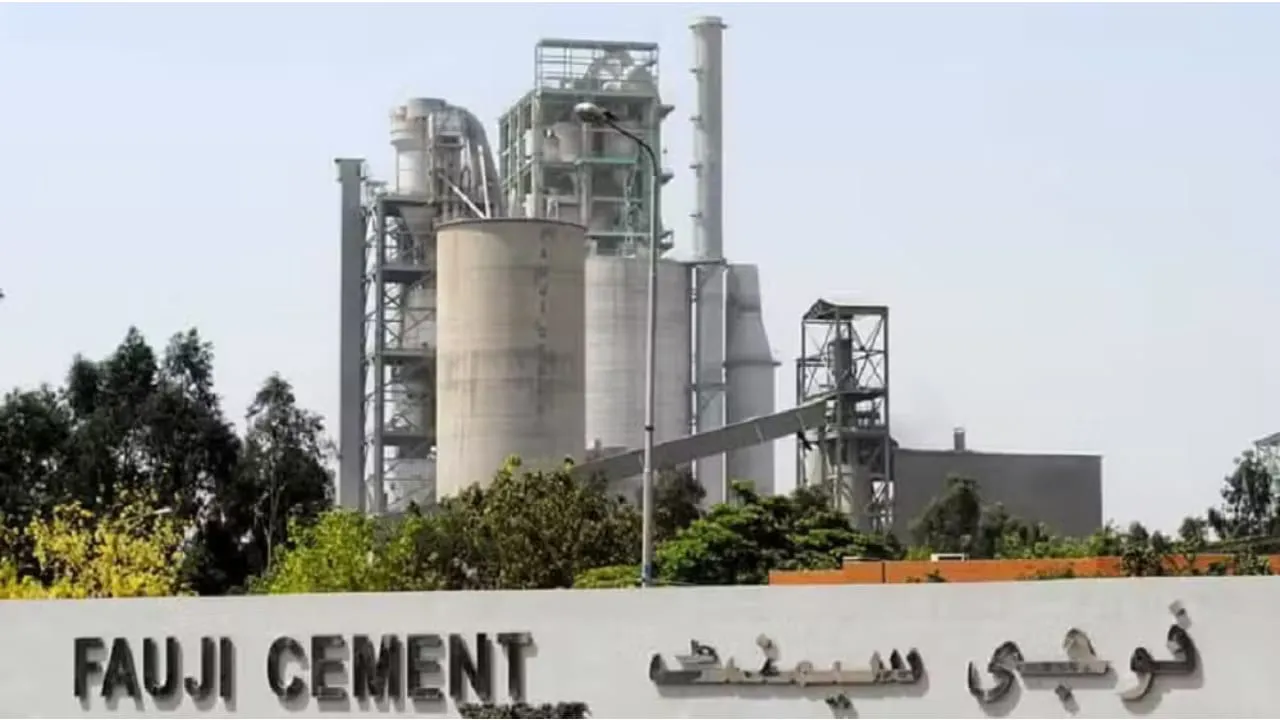
Fauji Cement Company Limited Reduces Long Term Debt Early
Fauji Cement Company Limited, listed on the Pakistan Stock Exchange under the symbol FCCL, has taken a major financial step by making an early repayment of Rs. 3.367 billion against its long-term bank loan. This strategic financial maneuver is expected to directly reduce the company's future debt servicing costs by clearing a significant portion of its financial obligations ahead of schedule.
Corporate debt management involves balancing ongoing operational expenses with the steady servicing of liabilities. By paying down this substantial sum early, the enterprise aims to minimize the outflow of capital toward interest payments, freeing up resources for other operational needs.
The transaction highlights a proactive approach to capital management in a fluctuating economic environment. Corporate finance teams frequently evaluate the cost of holding debt against the benefits of liquidity. When interest rates are high, retiring debt early can yield substantial savings over the lifespan of a loan facility.
How the Pakistan Stock Exchange Disclosure Was Made
The official announcement regarding the early debt settlement was communicated through a formal disclosure submitted to the Pakistan Stock Exchange on November 10, 2026. Regulatory transparency requires listed entities to inform shareholders and market regulators of any material changes in their financial position.
According to the regulatory filing, the payment was applied directly to a long-term loan facility that carries a Karachi Interbank Offered Rate based interest rate. The Karachi Interbank Offered Rate, commonly known as KIBOR, serves as the benchmark interest rate for borrowing in the Pakistani interbank market.
The filing specified that the loan was originally obtained through a syndicate of commercial banks. Syndicate loans involve multiple financial institutions pooling resources to lend large sums to a single corporate borrower, sharing the credit risk among themselves.
The disclosure was formally submitted under Section 96 of the Securities Act, 2015, read together with Regulation 5.6.1 of the Pakistan Stock Exchange regulations. These legal provisions mandate that listed companies promptly disclose price-sensitive information and major corporate developments to the public and the exchange.
Background and History of Fauji Cement Company Limited
Incorporated in 1992, Fauji Cement Company Limited has grown over more than three decades to become one of the largest cement manufacturers in Pakistan. The organization has expanded its footprint through consistent production capacity increases and strategic acquisitions within the domestic construction sector.
The enterprise operates as a subsidiary of the Fauji Foundation, which holds a controlling 61.65 percent stake in the company. The Fauji Foundation is a major industrial and welfare conglomerate in Pakistan, running diverse business ventures ranging from fertilizer and cement to power generation and cereal production, with profits directed toward the welfare of ex-servicemen.
Over the years, the company has invested heavily in modernizing its production facilities to meet the growing domestic and regional demand for building materials. The integration of advanced manufacturing technologies has helped the firm maintain operational efficiency and environmental compliance standards.
Production Capacity and Market Standing in Pakistan
The scale of operations places the enterprise among the leaders of the national industrial landscape. The company currently operates four cement manufacturing plants across the country, ensuring a steady supply of building materials to various infrastructure and housing projects.
These four manufacturing facilities boast a combined annual production capacity of 10.6 million tons of cement. This massive output solidifies the position of the organization as the country's third-largest cement producer.
The construction sector relies heavily on a steady supply of high-grade cement for residential, commercial, and government-backed development projects. Major producers like this firm play a direct role in supplying materials for roads, dams, bridges, and housing developments across the nation.
Impact of KIBOR-Linked Loans on Corporate Borrowers
Loans tied to benchmark rates like the Karachi Interbank Offered Rate present unique financial challenges and opportunities for corporate borrowers. When benchmark rates rise, the cost of servicing variable-rate debt increases, putting pressure on corporate profit margins.
By executing an early repayment of Rs. 3.367 billion, the company reduces its exposure to fluctuations in the Karachi Interbank Offered Rate. Lowering the principal amount owed means that subsequent interest calculations will apply to a smaller base, generating immediate cash flow relief.
Financial analysts often view early debt retirement as a sign of strong internal cash generation. Companies typically deploy excess liquidity to clear debt when operational revenues are robust enough to support such large capital allocations without disrupting day-to-day business activities.
What Lies Ahead for FCCL Shareholders and Operations
Market observers and shareholders will continue to monitor the financial performance of the company in upcoming quarterly reports. The reduction in finance costs resulting from this early loan settlement is expected to reflect positively on the bottom line in future financial statements.
As the construction industry navigates changing demand cycles and input costs, maintaining a lean balance sheet remains a priority for major industrial players. Debt reduction provides the firm with greater financial flexibility to pursue future capital expenditure projects or weather economic uncertainties.
Investors and market participants can track further regulatory filings on the Pakistan Stock Exchange portal for updates on corporate actions, financial results, and strategic developments concerning the manufacturer.





