Federal Board of Revenue Officers Face Surprise Competency Test Controversy
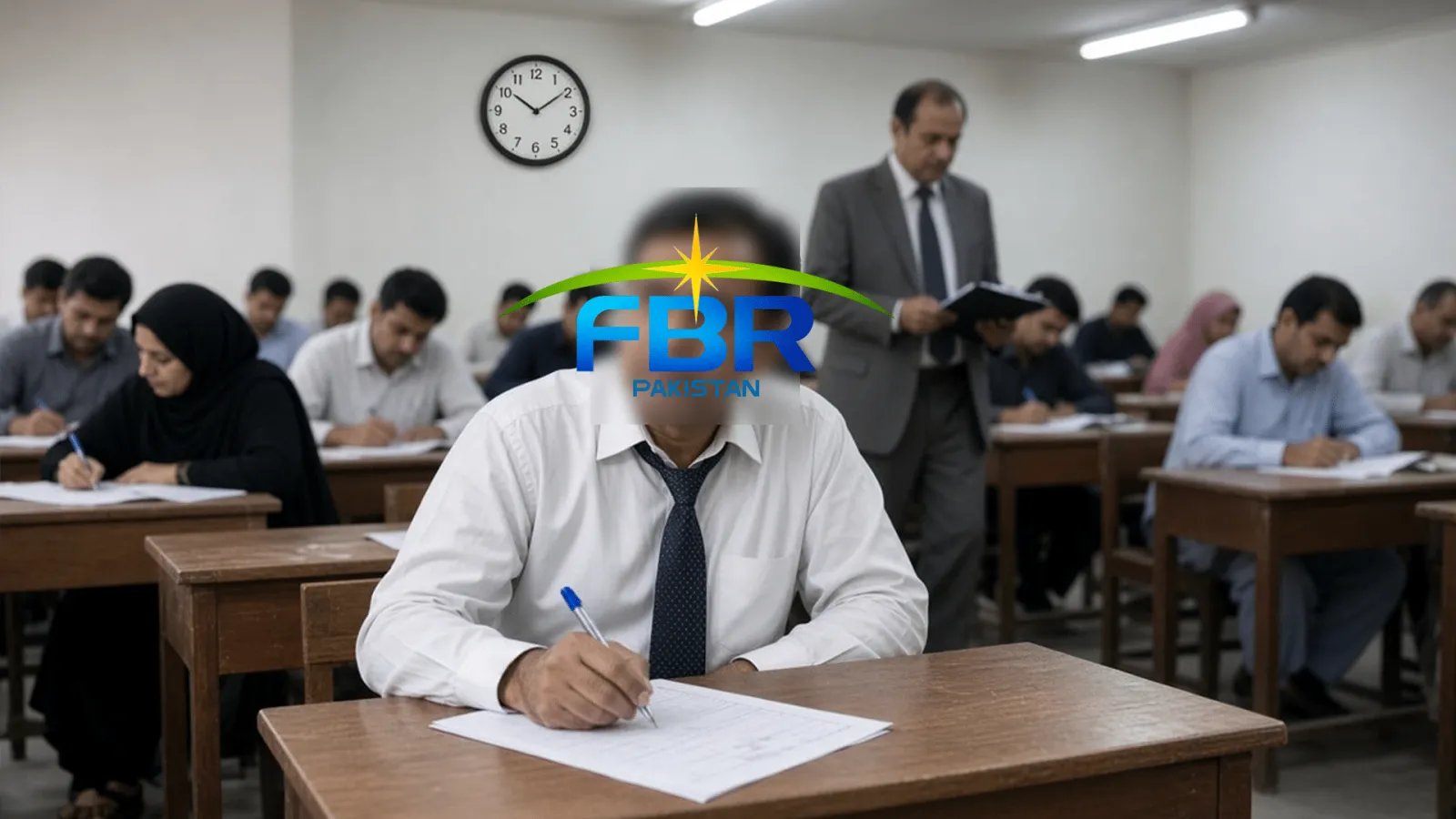
The Federal Board of Revenue's surprise competency tests for Inland Revenue officers have come under fire after a report circulated on social media claimed that only 15 out of 150 officers assessed in sales tax and 14 out of 143 in income tax were found capable of independently adjudicating cases. That is roughly one in ten officers in each tax. The tests for officers of Grade-17 and above have been held in Islamabad and Karachi, and the next round is set for Lahore on Tuesday, November 17.
This startling outcome has sent shockwaves through the civil service hierarchy, bringing questions of bureaucratic capability, institutional transparency, and administrative overhaul into sharp public focus. As stakeholders digest the implications of these figures, the methodology behind the evaluations has triggered a fierce debate among legal experts, tax professionals, and government employees alike. The unfolding situation highlights ongoing tensions regarding how state institutions measure performance and implement structural changes.
Legality and Methodology Questioned
The Karachi capability assessment report has raised concerns over the legality, transparency and methodology of the exercise. Critics question whether a single test based on artificially prepared case studies can judge the competence of officers recruited through the CSS examination. Questions have also been raised about the legal authority under the Civil Servants Act, 1973, and service rules for holding such tests and recommending restrictions on officers' statutory functions and postings. Notably, the assessment itself admits its findings are based on a single test of three cases in each tax and should be treated as indicative.
The Central Superior Services examination process is historically rigorous, demanding months of preparation and multi-tiered testing across various academic disciplines before candidates enter public service. Critics of the recent evaluations argue that reducing years of practical administrative and tax adjudication experience to a single written examination undermines the foundational structure of the civil service. Furthermore, legal analysts point out that service rules prescribe specific mechanisms for performance evaluation, promotion, and disciplinary action, leaving the exact legal standing of these newly introduced ad-hoc competency evaluations open to formal legal challenge.
AI Use and Leaked Scores
The reported use of artificial intelligence, particularly Claude AI, to prepare case studies and evaluate answer scripts has also drawn scrutiny, though the extent of AI involvement remains unverified and needs official clarification. The public circulation of individual officers' names, scores and classifications has raised confidentiality and morale concerns. Some fear the results may be used to build a narrative of incompetence to justify sweeping reforms under the FBR's transformation plan, possibly benefiting outside consultants. There are now growing calls for an independent review of the test framework, disclosure of its legal basis, AI use and marking criteria, and a fair review mechanism for affected officers.
Relying on machine learning models for high-stakes career evaluations introduces questions regarding algorithmic bias, grading consistency, and the transparency of automated scoring matrices. When sensitive personnel data leaks onto social media platforms, it not only breaches administrative privacy standards but also inflicts psychological damage on public servants whose professional reputations are publicly dissected. Tax administration experts emphasize that any modernization initiative within a critical state revenue apparatus must command the trust of its workforce rather than alienate career bureaucrats through opaque evaluation procedures.
Background of FBR Transformation and Reforms
The Federal Board of Revenue has long been a focal point for economic reformers aiming to boost national tax collection, broaden the tax base, and plug persistent revenue leakages. Successive governments have attempted to restructure the organization to meet ambitious fiscal targets dictated by national budgets and international lending agreements. These transformation plans often incorporate modernization drives, digital integration, and organizational restructuring designed to make tax collection agencies more efficient and accountable to the public.
However, attempts to overhaul the bureaucracy frequently encounter institutional resistance from established employee associations and unions. Tax officers often argue that structural failures stem from political interference, outdated technological infrastructure, and resource constraints rather than individual incompetence. The introduction of surprise testing formats represents a departure from traditional Annual Confidential Reports, signaling a more aggressive managerial approach by the administration to identify perceived bottlenecks within the tax machinery.
Impact on Tax Administration and Officer Morale
The publication of these test results carries immediate practical consequences for tax administration across the country. Inland Revenue officers handle critical responsibilities, including audit selection, tax assessment, recovery proceedings, and legal adjudication of disputes between taxpayers and the state. If roughly ninety percent of tested officers are deemed incapable of independent adjudication, the operational continuity of tax offices in major economic hubs like Karachi, Islamabad, and Lahore faces severe disruption.
Officer morale has plummeted following the public dissemination of individual scores and classifications. Public servants who spent decades climbing the bureaucratic ladder now find themselves labeled as incompetent based on preliminary and methodologically disputed assessments. This environment of mistrust can lead to risk aversion, where officers hesitate to make bold adjudication decisions for fear of facing similar punitive evaluations or public exposure, ultimately slowing down the resolution of pending tax disputes and hurting national revenue generation.
What Comes Next for the FBR Competency Assessments
As the schedule moves forward, the upcoming round of testing in Lahore on Tuesday, November 17, will be watched closely by civil servants, legal practitioners, and media outlets. Observers will monitor whether the administration adjusts its testing methodology, addresses transparency concerns, or provides formal clarification regarding the rumored use of artificial intelligence tools in grading scripts. The government faces mounting pressure to establish a formal dialogue with representative bodies of civil servants to address grievances and formulate a legally sound path forward.
Legal challenges in service tribunals or high courts remain a distinct possibility if affected officers face formal restrictions on their statutory functions or postings based on these disputed results. Independent reviews of the assessment framework, if granted, could set a precedent for how public sector evaluations are conducted in the future. For now, the unfolding situation serves as a stark reminder of the delicate balance required when attempting to reform entrenched bureaucratic institutions without violating due process or compromising institutional stability.





