Federal Board of Revenue Plans to Scrap Super Tax Completely
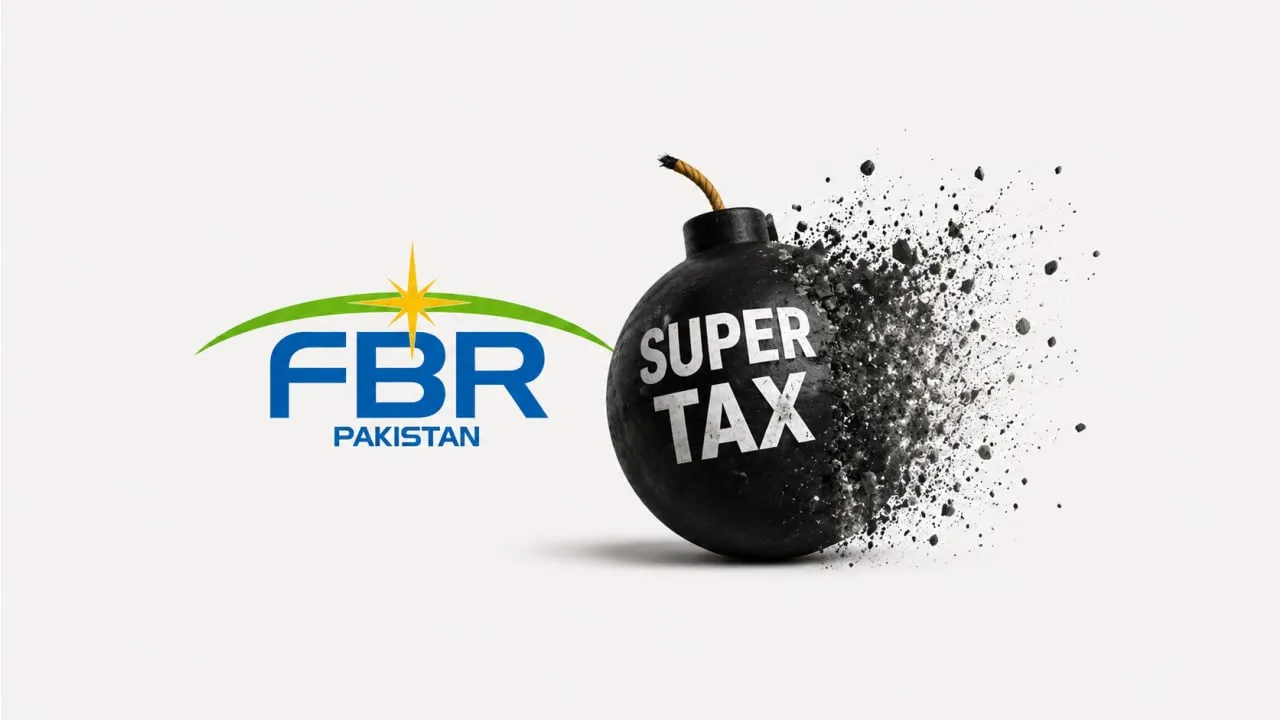
Federal Board of Revenue Chairman Rashid Mahmood Langrial stated that the government intends to abolish the Super Tax entirely, signalling a major concession to the countrys business community. Speaking during a visit to the Korangi Association of Trade and Industry on Wednesday, Langrial stated that the Super Tax rate has already been reduced by 2 percentage points, with an aim at gradual elimination. The announcement was welcomed by industrialists, who have long called the Super Tax an additional burden on an already heavily taxed sector.
The move to eliminate the Super Tax marks a significant shift in fiscal policy discussions between tax authorities and the manufacturing sector. Industrialists have consistently argued that high taxation levels discourage investment and hinder industrial growth. By outlining a path toward the complete removal of this levy, the tax administration aims to ease financial pressures on corporate entities and registered taxpayers.
Background and History of the Super Tax
The Super Tax was originally introduced in Pakistan as a temporary measure to raise revenue for specific national security or rehabilitation needs, such as combating terrorism and assisting displaced populations. Over time, however, the levy was retained and applied at varying rates to high-earning individuals and corporations across multiple sectors, including banking, cement, sugar, textiles, and oil and gas.
Business associations have repeatedly petitioned against the tax, pointing out that it overlaps with corporate income tax and results in an exceptionally high effective tax rate. Companies operating in the formal economy felt penalized for compliance, while informal sectors remained largely outside the tax net. The recent reduction of 2 percentage points initiated a policy shift that Chairman Langrial indicated would lead to the eventual total removal of the charge.
Expanding Taxpayer Facilitation and Regional Outreach
Alongside the announcement regarding the Super Tax, Langrial announced that a Federal Board of Revenue office would be established at the Korangi Association of Trade and Industry to facilitate industrialists in the area. He stated that the scope of the tax authority help desk would also be extended from Karachi to Sukkur, widening the tax authority outreach to taxpayers beyond the provincial capital.
This decentralization of taxpayer services aims to reduce bureaucratic delays and provide localized support for businesses operating in industrial zones. Establishing physical offices closer to manufacturing hubs allows tax officials to understand operational challenges firsthand and resolve disputes without requiring businesses to travel to central headquarters.
Easier Import Procedures for Industrial Raw Materials
The Federal Board of Revenue chairman stated that the government would consult industrialists to simplify procedures for importing industrial raw materials. He also pledged to hold meetings to address cross border trade challenges faced by the leather industry.
Access to raw materials at competitive costs is essential for maintaining manufacturing competitiveness in international markets. Complex import clearances, bureaucratic bottlenecks, and stringent documentation requirements often delay production cycles. By engaging directly with trade bodies, the tax administration hopes to streamline these processes and reduce transit times for essential inputs.
Reforming the Track and Trace System in Pharmaceuticals
Langrial added that a new model was being considered to improve the effectiveness of the Track and Trace system in the pharmaceutical sector. He urged the business community to cooperate with the government in tackling tax evasion.
The Track and Trace system was implemented to monitor production volumes, prevent counterfeiting, and ensure proper tax collection across regulated industries. However, various sectors encountered operational hurdles in adopting the technology. Exploring a new model indicates a willingness by tax authorities to adapt technological frameworks based on practical feedback from manufacturers.
Industrialist Demands on Tax Refunds and Regulatory Orders
Korangi Association of Trade and Industry President Sheikh Umer Rehan welcomed the Federal Board of Revenue chairman monthly visits to Karachi and called for simpler procedures for importing industrial raw materials. He also highlighted billions of rupees in pending tax refunds, demanding that payments be released within the stipulated timeframe.
Delayed tax refunds create severe liquidity crunches for exporters and domestic manufacturers, tying up working capital that could otherwise be reinvested in business operations. Industrialists emphasized that timely processing of refunds remains critical for financial stability. Furthermore, industrialist leader Zubair Chhaya proposed appointing a focal person at the association to help businesses resolve tax related issues and called for reviewing unnecessary Statutory Regulatory Orders and existing tax laws to reduce the burden on the business community.
Proposals for Broadening the Tax Base
Business representatives at the meeting called for introducing a one window operation to address business related requirements and improve coordination with government departments. They urged the government to broaden the tax base rather than impose additional financial burdens on existing taxpayers.
Broadening the tax base involves bringing untaxed or under taxed sectors, such as retail, real estate, and agriculture, into the formal documentation regime. Relying heavily on withholding taxes and levies on compliant corporations has historically placed an uneven burden on documented industries. Industry leaders maintain that equitable tax distribution across all economic segments is necessary for sustainable national revenue generation.