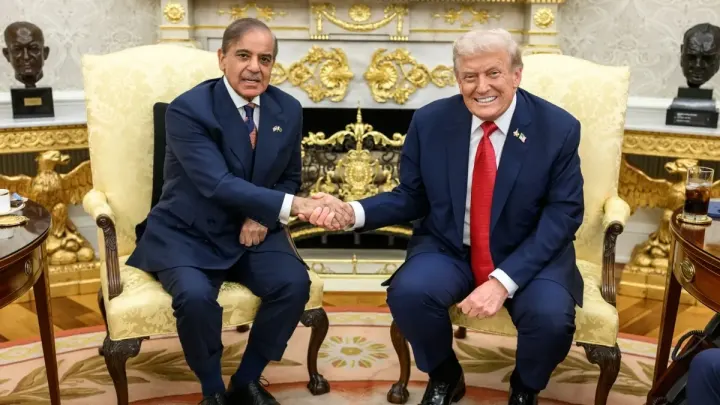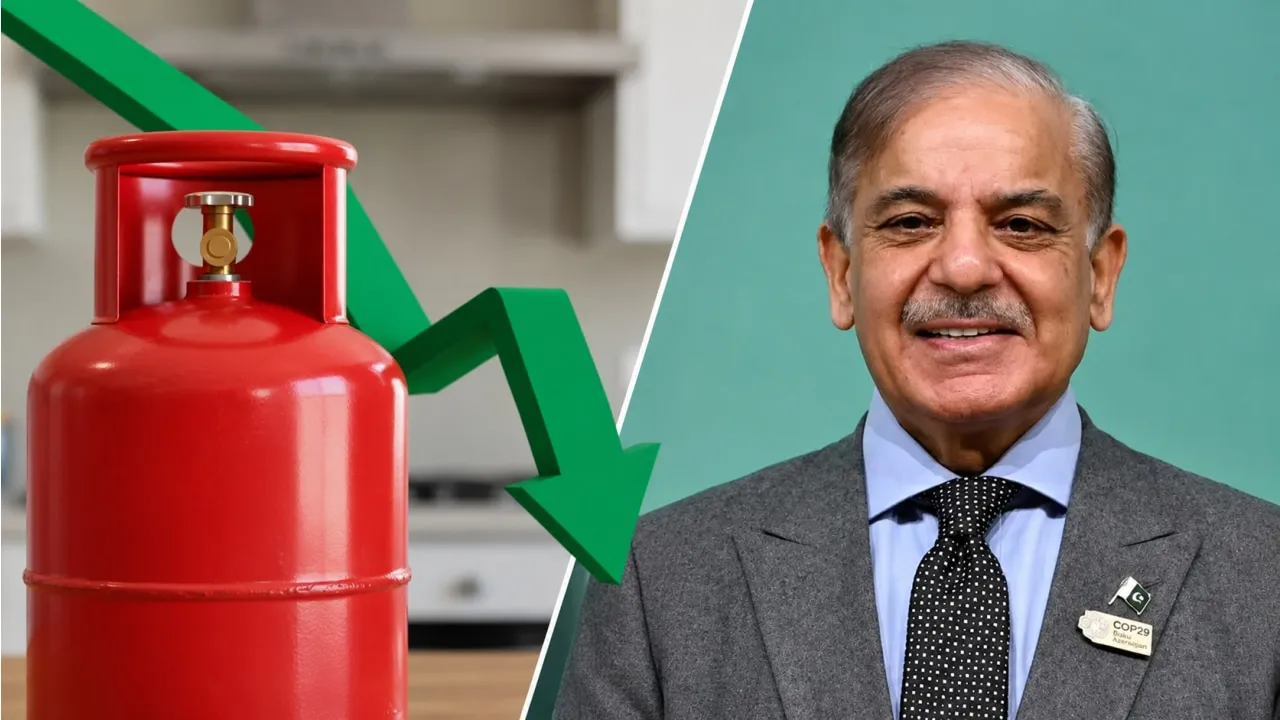
Prime Minister Shehbaz Sharif announced a revised liquefied petroleum gas (LPG) allocation system on Wednesday, ending what he described as a decades-old monopoly in the sector and introducing competitive auctions for locally produced supplies.
The decision comes as the government prepares for higher energy demand during the upcoming winter season and seeks to stabilise a market that has been under severe strain since October.
Why the Change Matters for Pakistan's Energy Landscape
Shehbaz Sharif chaired a federal cabinet meeting and said the government was making all possible efforts to ensure uninterrupted supplies of liquefied natural gas (LNG), LPG, and oil despite rising international prices and challenges affecting maritime routes. He added that meetings were being held every two to three days to review energy requirements and develop contingency and coordination plans.
In his remarks, the prime minister stressed that the new mechanism would keep power plants operational while limiting the impact of higher energy prices on consumers. By moving LPG allocation to a transparent auction process, the government aims to generate revenue for the national exchequer and redirect it toward subsidies and relief for ordinary citizens.
How the Competitive Auction System Will Work
Under the revised mechanism, the government will allocate locally produced LPG through competitive auctions under proper supervision. The auctions will be open to all eligible domestic producers, and the winning bids will be determined by price and compliance with quality standards set by the Oil and Gas Regulatory Authority (OGRA).
Companies that import LPG will also be required to follow prescribed procedures, including registration with the Ministry of Energy, submission of import licences, and adherence to customs and safety regulations. The auction framework is expected to be managed by a dedicated committee that will publish auction calendars, bid documents, and evaluation criteria on a public portal.
Revenue generated through the transparent auction process will be deposited directly into the national exchequer. The finance ministry has indicated that a portion of these funds will be earmarked for targeted subsidies, such as reduced tariffs for low-income households and price caps for essential cooking fuel.
Background: The LPG Crisis That Prompted Reform
Pakistan's LPG market has been hit by a severe supply shortage following the October 17 closure of the Gabd-Rimdan and Taftan border crossings with Iran. The closures disrupted imports of approximately 7,000 metric tons per day, a volume that previously accounted for a sizable share of the country's total LPG intake.
Pakistani authorities cited security concerns and efforts to curb smuggling as the primary reasons for the shutdown, while Iran attributed the disruption to technical issues at the crossing points. The abrupt loss of cross-border supply created a shock that rippled through the domestic market.
The supply shock pushed open-market prices to as high as Rs. 700 to Rs. 800 per kilogram in some areas, compared with OGRA's notified November rate of Rs. 294 per kilogram. A 12-kilogram cylinder that previously cost around Rs. 4,500 rose to approximately Rs. 7,000, intensifying pressure on households ahead of winter.
Analysts note that the price surge reflects both the scarcity of supply and the lack of a competitive allocation framework. Prior to the reform, a small number of firms controlled the bulk of LPG distribution, allowing them to set prices with limited oversight.
Impact on Consumers, Businesses, and the Energy Sector
For ordinary citizens, especially low-income families, the price increase translates into a higher share of monthly expenditure on cooking fuel. The government's promise to use auction revenue for subsidies aims to offset this burden, but the effectiveness will depend on the speed of implementation and the adequacy of the subsidy pool.
Domestic LPG producers stand to gain from a transparent bidding environment that can reward efficiency and lower production costs. Companies that previously relied on informal allocations may need to adjust their pricing strategies to remain competitive in the auction.
Importers, who have faced logistical hurdles due to the Iranian border closure, will now operate under a clear set of rules. This could encourage them to diversify supply sources, including shipments from the Middle East and Central Asia, thereby reducing dependence on a single route.
The power generation sector, which uses LPG as a backup fuel, will benefit from more predictable supply. By keeping power plants operational, the government hopes to avoid load-shedding episodes that have plagued the country during previous winter months.
What Comes Next: Implementation Timeline and Monitoring
The cabinet announced that the first competitive auction for locally produced LPG will be launched within the next 30 days. The Ministry of Energy will publish the auction schedule, eligibility criteria, and bid submission guidelines on its website.
After the initial auction, the government plans to hold regular quarterly auctions to align supply with seasonal demand patterns. A monitoring committee comprising representatives from the Ministry of Finance, OGRA, and the Competition Commission of Pakistan will oversee the process, audit results, and publish quarterly reports.
Stakeholders have been invited to submit feedback on the auction framework during a public consultation period that runs for two weeks. The government has pledged to incorporate reasonable suggestions before finalising the rules.
Practical Takeaways for Readers
- Households should monitor official price notices from OGRA; any sudden spikes beyond the notified rate may indicate market volatility.
- Businesses involved in LPG distribution must register with the Ministry of Energy and prepare to submit bids according to the published calendar.
- Consumers can expect the government to announce subsidy schemes once auction revenues are confirmed, typically within a few weeks after each auction cycle.
By ending the monopoly and moving to open bidding, Pakistan hopes to create a more resilient LPG market, protect consumers from price shocks, and generate revenue that can be redirected to social relief programmes.