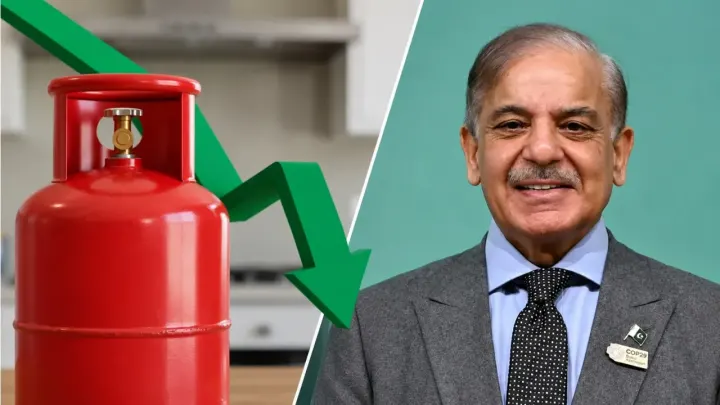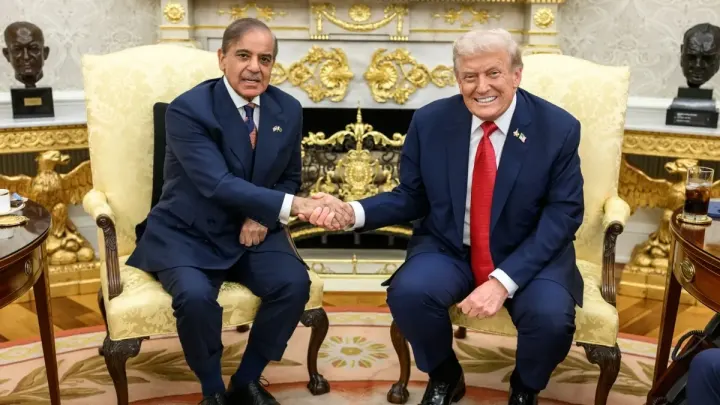
Prime Minister Shehbaz Sharif announced on Thursday that the government's fuel subsidy programme will continue until at least the end of December, with spending reaching approximately Rs. 28 billion so far.
The initiative has directly benefited around 15 million people, while the total number of beneficiaries is estimated at 75 million when their family members are included.
Why the Extension Matters Now
International crude oil prices have been climbing steadily since early June, creating pressure on domestic fuel markets. Without government intervention, the rise would have translated into a proposed Rs. 15 per litre increase in petrol prices for Pakistani consumers.
By extending the subsidy, the Sharif administration aims to shield households, transport operators and small businesses from the immediate impact of higher fuel costs. The decision also seeks to prevent inflationary spill-overs that typically follow fuel price hikes.
Background of Pakistan's Fuel Subsidy System
Pakistan has used fuel subsidies intermittently since the 1990s to alleviate the burden of high energy costs on low-income groups. The subsidy is funded from the federal budget and administered by the Ministry of Petroleum through the Oil and Gas Regulatory Authority (OGRA). Subsidy rates are set after negotiations with oil refineries, which are asked to share a portion of their windfall profits when international prices surge.
In previous fiscal years, the subsidy programme has fluctuated in scope. In 2022-23, the government allocated roughly Rs. 120 billion, but the amount was later reduced due to fiscal constraints. The current figure of Rs. 28 billion reflects spending since the programme was revived in August 2024.
How the Subsidy Is Distributed
The subsidy operates through a price-capping mechanism. OGRA sets a ceiling price for petrol and diesel at the retail level. When the market price exceeds that ceiling, the difference is reimbursed to oil companies, which in turn keep retail prices stable for consumers.
Eligibility is not limited to a formal register. Instead, the subsidy is applied universally at the pump, meaning every driver who purchases fuel at a participating station receives the benefit. The government estimates that 15 million individuals directly benefit, but when family members are counted, the reach expands to about 75 million people.
Roles of Key Officials and Agencies
Prime Minister Shehbaz Sharif credited Petroleum Minister Ali Pervaiz Malik, his team, OGRA and the relevant committee for approaching refineries to share windfall profits. The coordination between the ministry and OGRA is crucial for calculating the subsidy amount and ensuring compliance from private oil companies.
Intelligence agencies have also been involved. The prime minister said they identified irregularities at several petrol pumps, prompting a directive to close the outlets and impose heavy financial penalties on those responsible.
Impact on Different Segments of the Economy
Transport operators, including bus services, rickshaw drivers and long-haul truckers, stand to save up to Rs. 1 000 per month on fuel costs. For households, the subsidy reduces the share of income spent on commuting and heating, especially in rural areas where public transport is limited.
Small and medium enterprises that rely on fuel-intensive logistics also benefit, as lower operating costs can translate into steadier prices for consumers. However, the fiscal cost of Rs. 28 billion adds pressure to an already strained national budget, which has a deficit of about 7 percent of GDP.
What Comes Next: Monitoring and Enforcement
The prime minister's order to shut down non-compliant petrol pumps will be executed by the Petroleum Ministry in coordination with law-enforcement agencies. Heavy financial penalties are expected to be levied, though the exact amount has not been disclosed.
OGRA will continue to monitor price compliance and will publish weekly reports on subsidy disbursement. The ministry has said it will review the programme's effectiveness in December and decide whether to extend it further or adjust the subsidy rate.
Practical Takeaways for Consumers
Consumers should continue to fill up at licensed petrol stations that display the OGRA seal of approval. Prices are expected to remain at the capped level of Rs. 235 per litre for petrol and Rs. 215 per litre for diesel until at least the end of December.
Anyone noticing a price higher than the official ceiling should report the station to the consumer protection wing of the Ministry of Petroleum. The government's crackdown on irregularities aims to keep the market transparent and protect the public from overcharging.
Broader Economic Context
The extension of the fuel subsidy occurs as Pakistan negotiates a new loan package with the International Monetary Fund (IMF). While the IMF typically advises against broad subsidies because of fiscal sustainability, the government argues that short-term relief is necessary to prevent a sharp rise in inflation that could undermine social stability.
Analysts note that the subsidy's cost, while significant, is a small fraction of total government spending on social safety nets, which total over Rs. 500 billion. The balance between immediate consumer protection and long-term fiscal health remains a key policy debate.
In summary, the Sharif administration's decision to keep the fuel subsidy in place until December reflects a calculated response to volatile global oil markets, an effort to protect vulnerable consumers, and a commitment to enforce compliance across the retail fuel network.