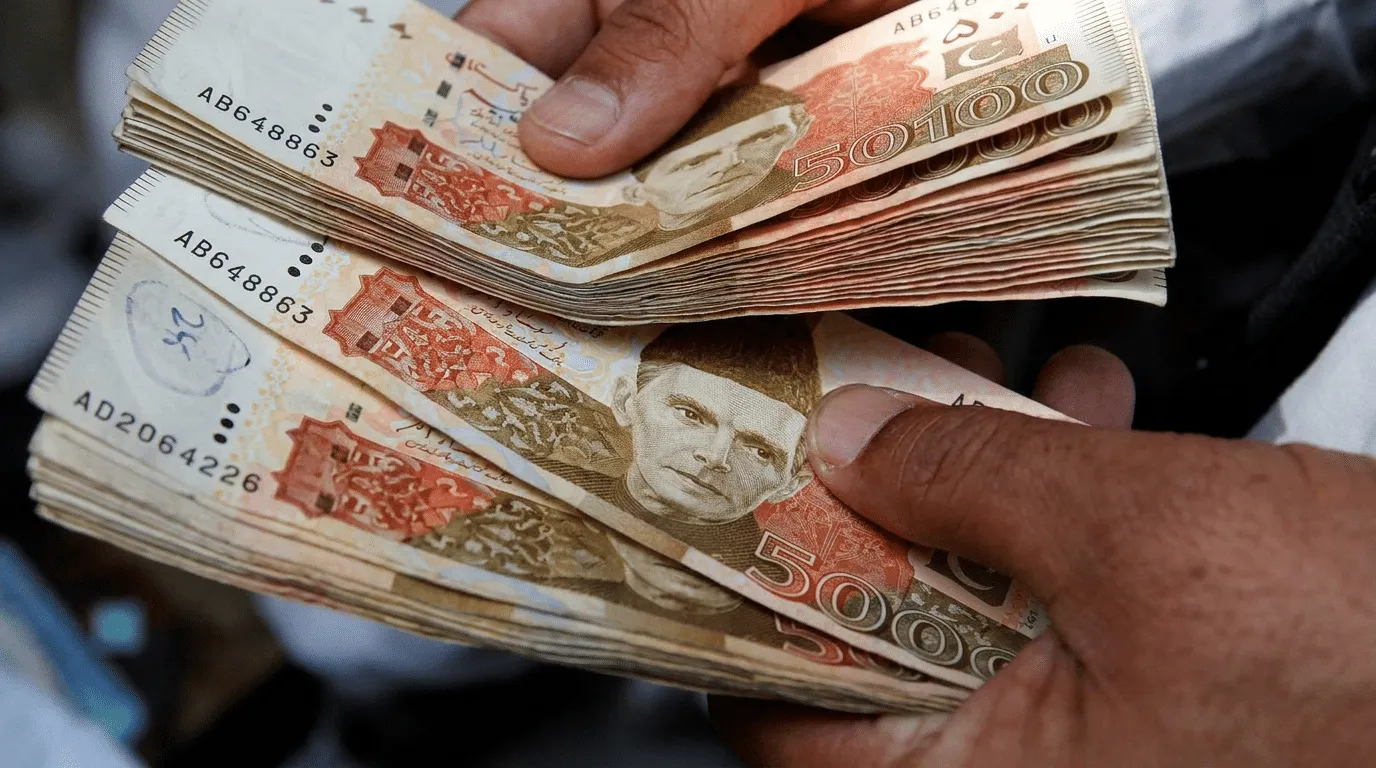
Pakistan's Federal Constitutional Court (FCC) has declared the infrastructure cess laws of Sindh and Khyber Pakhtunkhwa unconstitutional, opening the door for a possible Rs. 42.9 billion tax relief for eleven companies listed on the Pakistan Stock Exchange (PSX).
The decision, issued on November 19, 2026, overturns earlier rulings by the Sindh High Court and the Peshawar High Court and could reverse decades-long liabilities that have weighed on corporate earnings and financing costs.
What the Court Ruling Means for the Affected Companies
Arif Habib Limited (AHL) identified the eleven firms that stand to benefit: Fauji Fertilizer Company, Indus Motor Company (Toyota), Honda Atlas Cars, Nishat Mills, D.G. Khan Cement, Lucky Cement, Lotte Chemical, Engro Fertilizers, LCI, EPCL and International Industries. The total outstanding liability under the Sindh Infrastructure Development Cess (SIDC) is Rs. 42.9 billion, according to AHL's analysis.
Of that amount, Rs. 16.7 billion has already been booked as present-value gains by companies that signed settlement agreements in February 2026. The remaining Rs. 26.2 billion could be written off if the court's judgment is fully implemented.
Why the Court Declared the Cess Unconstitutional
The FCC ruled that the infrastructure cess functioned as a customs duty because it was levied on the international movement of goods and collected at customs clearance points. Customs duties fall under federal jurisdiction, and the provinces therefore lacked the constitutional authority to impose the levy.
The court also found that diverting the collected revenue to provincial infrastructure projects did not create a valid provincial taxing power, especially where there was no direct nexus between the tax and a specific provincial service.
Breakdown of Estimated Benefits by Company
Indus Motor Company leads the list with an estimated reversal benefit of Rs. 4.96 billion, followed closely by Honda Atlas Cars at Rs. 4.85 billion. Fauji Fertilizer Company, despite a lower per-share upside, carries the largest single exposure at Rs. 11.61 billion, representing roughly 27 percent of the total liability.
On a per-share basis, the upside calculations are as follows:
- Indus Motor Company: Rs. 47.37 per share
- Honda Atlas Cars: Rs. 25.47 per share
- Nishat Mills: Rs. 6.71 per share
- Fauji Fertilizer Company: Rs. 6.05 per share
- D.G. Khan Cement: Rs. 3.76 per share
AHL estimates that eliminating the liabilities could save the companies about Rs. 5.15 billion each year in finance costs, assuming a 12 percent interest rate on the outstanding cess amounts.
Historical Context of the Infrastructure Cess Dispute
The controversy dates back to 2011 when the Sindh High Court granted interim relief, allowing firms to pay half of the cess in cash while covering the remainder with bank guarantees. Subsequent legal challenges upheld the levy, and the provinces continued to collect the tax for infrastructure projects.
Over the next decade, a series of petitions, totaling 568, were filed against the provincial laws. The FCC's November 2026 ruling marks the culmination of that prolonged legal battle, effectively removing a fiscal instrument that provinces had used to fund roads, bridges and other public works.
Potential Next Steps and Legal Uncertainties
Although the FCC's decision is final, the provincial authorities may file a review petition, which could delay implementation. Companies are expected to await the detailed judgment before deciding whether to reverse previously recognized liabilities on their balance sheets.
Should the review be dismissed, firms will likely adjust their financial statements to reflect the tax reversal, potentially boosting earnings per share and improving credit metrics. Investors will be watching closely for any changes in dividend policies or capital allocation strategies that could arise from the freed cash flow.
Impact on Investors, Creditors and the Broader Economy
For shareholders, the per-share upside translates into higher earnings expectations and could support a rally in the affected stocks. Credit rating agencies may revise outlooks for the companies, reflecting lower debt servicing pressures.
From a macro perspective, the removal of a Rs. 42.9 billion liability may modestly improve the overall corporate tax base, as firms redirect funds previously earmarked for provincial levies toward investment, expansion or debt repayment.
What Companies Should Do Now
Financial officers are advised to monitor the FCC's detailed judgment for guidance on accounting treatment. Firms should also engage with auditors to determine whether the previously booked present-value gains need adjustment.
Strategic planners may consider reallocating the anticipated finance-cost savings to growth projects, such as capacity expansion for Fauji Fertilizer or new model launches for Indus Motor Company. Communication with investors will be key to managing expectations and highlighting the positive impact of the tax relief.
Overall, the FCC's ruling represents a significant shift in the fiscal relationship between Pakistan's provinces and the private sector, with immediate financial benefits for eleven major listed companies and broader implications for corporate finance in the country.





