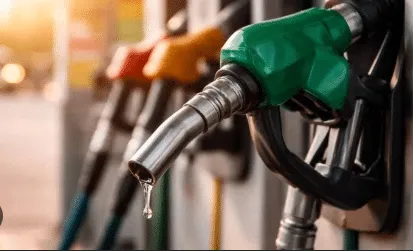
Federal Government Announces Sixth Consecutive Daily Drop in Fuel Prices
The federal government has decided to decrease the prices of motor spirit petrol and high-speed diesel for the next 24 hours, according to the latest notification issued by the federal government. This update marks the sixth consecutive sharp reduction in fuel rates since last week, providing some relief to consumers across the nation who have faced volatile energy costs.
Under the new notification, the price of petrol has been cut by Rs. 8 per litre to settle at Rs. 338 per litre. Meanwhile, high-speed diesel has been made cheaper by Rs. 7, bringing its new price down to Rs. 371 per litre. These adjustments follow a previous downward revision on Friday, when the price of petrol was cut by Rs. 6.59 per litre to Rs. 346 per litre and diesel was reduced by Rs. 4.25 to Rs. 378 per litre.
How Daily Fuel Rate Revisions Work
The pricing mechanism for petroleum products has undergone significant adjustments over recent months, transitioning into a frequent review system. Rather than traditional fortnightly or monthly announcements, daily tracking has introduced a dynamic element to energy costs. Since the beginning of the daily fuel rates update, petrol has gone up by Rs. 27.29 per litre and diesel by Rs. 47.7 per litre overall, reflecting long-term shifts even amidst short-term relief periods.
Government notifications dictate these changes based on international market fluctuations, local currency valuations, and tax adjustments. Consumers and transport operators monitor these daily updates closely to manage operational expenses. The mechanism allows prices to respond rapidly to global supply chain shifts, though it can create budgeting challenges for households reliant on personal transport.
Context and Background of Petroleum Pricing
The history of fuel pricing in the country involves a delicate balance between fiscal revenue collection and public welfare. Petroleum levies and general sales taxes make up a substantial portion of the pump price, serving as vital revenue streams for the state budget. Previous administrations have frequently adjusted these taxes to meet international financial institution targets or to shield citizens from severe external shocks.
Over the past few months, rates have fluctuated wildly across various intervals. For instance, back in mid-July, before the daily pricing mechanism took full effect, petrol was recorded at Rs. 310.71 per litre and diesel at Rs. 323.30 per litre. Prices steadily climbed through August and September, crossing key thresholds before beginning the recent downward trend that has brought some temporary relief to motorists.
Impact on Citizens, Businesses, and Transport Sectors
Fuel price movements carry profound implications for the wider economy, directly influencing inflation rates and the cost of daily goods. Transport companies, logistics providers, and agricultural producers rely heavily on diesel to power heavy vehicles, tractors, and machinery. When diesel prices drop, the cost of moving freight and food supplies across regions tends to stabilize, easing inflationary pressures on everyday consumers.
Private vehicle owners and commuters also feel the immediate effects of petrol price cuts in their monthly budgets. Lower commuting expenses leave households with more disposable income for other essential goods. However, because these reductions are currently announced on a rolling 24-hour basis, long-term financial planning remains difficult for commercial fleet operators and public transport networks.
Historical Tracking of Petrol and Diesel Rates
A review of public records shows significant volatility in fuel tariffs over the current fiscal period. In early October, petrol prices hovered near the Rs. 398 mark, while diesel stayed close to Rs. 400 per litre. Gradual adjustments throughout October and early November pushed figures downward, culminating in the current sequence of six consecutive daily cuts.
On November 10, petrol rested at Rs. 338 and diesel at Rs. 371. Just a few days prior on November 6, petrol was valued at Rs. 346.00 and diesel at Rs. 378.00. Moving further back to October 2, petrol stood at Rs. 392.76 and diesel at Rs. 399.64, illustrating the extent of the fluctuations that consumers have navigated over the past two months.
What to Watch for in Future Fuel Price Notifications
As the federal government continues its short-term monitoring approach, market observers are watching international crude oil benchmarks for future direction. Because local prices react dynamically to global trends, any sudden supply disruptions or geopolitical tensions could reverse the current downward trajectory. Citizens and businesses should continue checking daily official notifications for the latest updates on motor spirit and high-speed diesel rates.





