Federal Investigation Agency Probes Utility Stores Corporation
The Federal Investigation Agency has directed the Managing Director of the Utility Stores Corporation to submit complete records of the corporation's 2022 ghee procurement. This directive is part of an ongoing investigation into alleged financial irregularities, misuse of authority, and a possible loss of about Rs62 million to the national exchequer. Federal investigators are reviewing how lower-tier cooking oil products were acquired at higher rates than premium alternatives during the specified period.
In an official letter, the Federal Investigation Agency Anti-Corruption Circle Islamabad Zone stated that the case is registered as FIR No. 69/2025 under the Federal Investigation Agency Act 1974, read with the relevant provisions of the Code of Criminal Procedure 1898. The communication was issued by Deputy Director Mian Faizan-ul-Haq and requires the corporation to provide duly attested copies of the records within seven days of receipt. The inquiry aims to establish accountability and verify whether public funds were mismanaged during the transaction cycles.
Details of the 2022 Ghee Procurement Prices
According to the official letter, the state-run corporation purchased premium Dalda Ghee in May 2022 at Rs489.53 per kilogram. In the same period, it procured around 2,000 metric tonnes of second-tier Manpasand Ghee at Rs520 per kilogram. Records show that Manpasand Ghee had previously been bought at Rs430 per kilogram in March 2022, marking a substantial price increase over a short timeframe.
Investigators noted that the lower-quality product was priced about Rs31 per kilogram higher than the premium variety. The agency estimated the initial financial impact at approximately Rs62 million. However, officials stated that this figure requires strict verification through comprehensive procurement and payment records before any formal charges are finalized.
What Records Have Been Demanded by Investigators
The anti-corruption watchdog has asked for complete tender documents for both categories of ghee. This includes tender notices, bidding documents, comparative statements, and evaluation reports. The agency also seeks the proceedings and minutes of Tender Committee meetings, along with the names, designations, and tenures of all committee members.
Similar details have been requested for the Subsidized Procurement and Purchasing Committee, including its formal recommendations. The agency has demanded purchase orders, supply agreements, invoices, bills, delivery challans, stock receipts, and payment vouchers. Furthermore, authorities asked for file notings, administrative approvals, and sanctions granted by the competent authority.
Role of Internal Audits and Departmental Inquiries
The federal agency has further asked whether any departmental inquiry, internal audit, special audit, or fact-finding exercise was conducted on the procurement. If such internal reviews took place, the corporation must provide complete reports and findings, particularly those focusing on the rate differences and their financial implications.
Internal reviews within government-affiliated corporations often serve as the baseline for external criminal investigations. By checking whether internal watchdogs flagged the price discrepancies in 2022, investigators can determine if management ignored prior warnings. The requested documentation will allow the agency to verify the entire procurement workflow and proceed in accordance with the law.
Understanding the Utility Stores Corporation
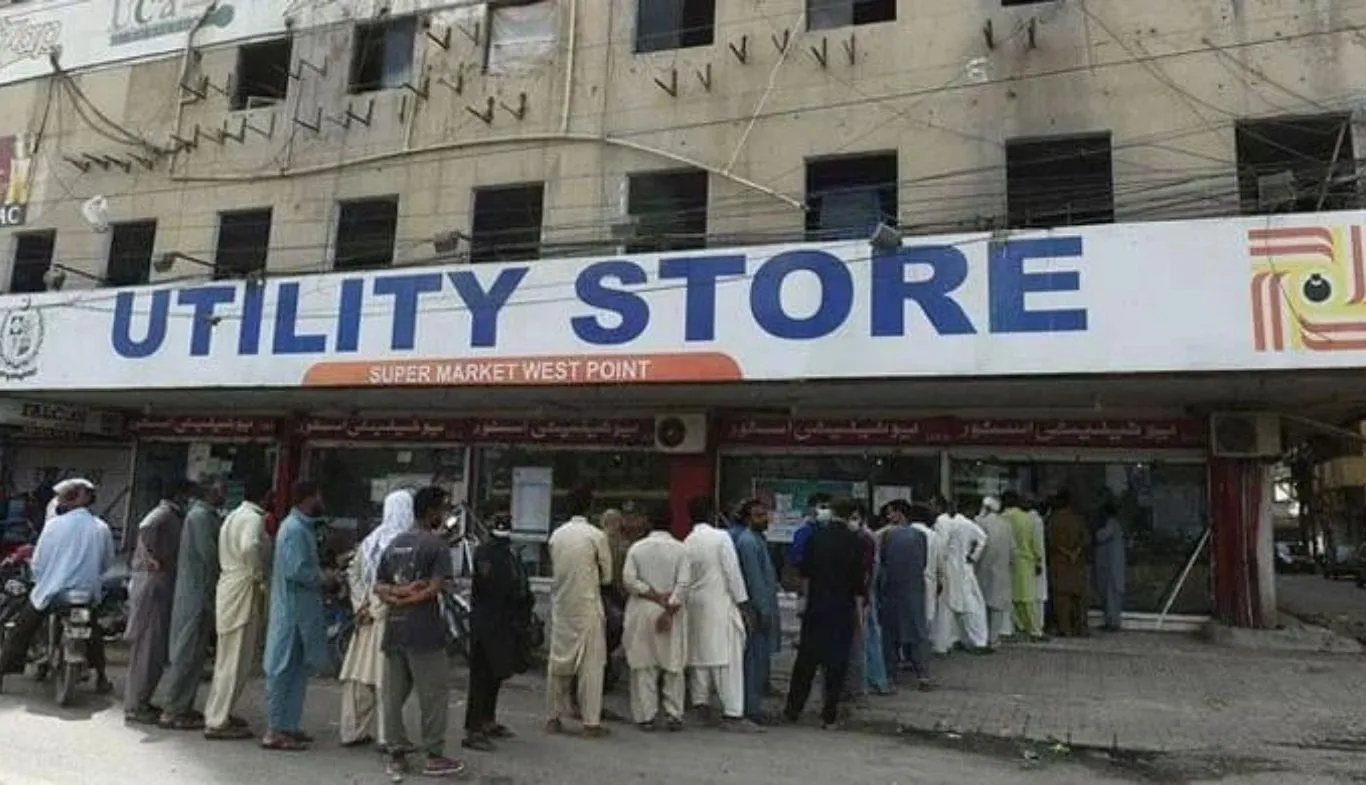
The Utility Stores Corporation is a state-owned enterprise operating a chain of retail stores across the country. Established to provide essential commodities to citizens at subsidized rates, the corporation handles large-scale procurement of food items, including cooking oil, flour, sugar, and pulses. Because it manages substantial public funds and government subsidies, its purchasing processes are subject to strict legal frameworks and public oversight.
Procurement irregularities in state-run entities can severely impact public resources and disrupt market stability. Regulatory bodies monitor these operations to ensure transparency and compliance with public procurement rules. Cases involving price disparities between premium and secondary goods often trigger intense administrative and legal scrutiny.
Next Steps and Legal Procedures
The collected documents will allow investigators to verify the procurement process, determine precise financial implications, and proceed with the investigation according to the law. The matter remains under active investigation, and responsibility, if any, will be determined on the basis of documentary evidence and the outcome of legal proceedings.
Once the seven-day deadline for document submission passes, the agency will analyze the financial records and interview relevant officials. If evidence supports the preliminary findings of misuse of authority, formal charges against specific individuals may follow. Observers are watching the case closely as a test of accountability within state-operated retail networks.