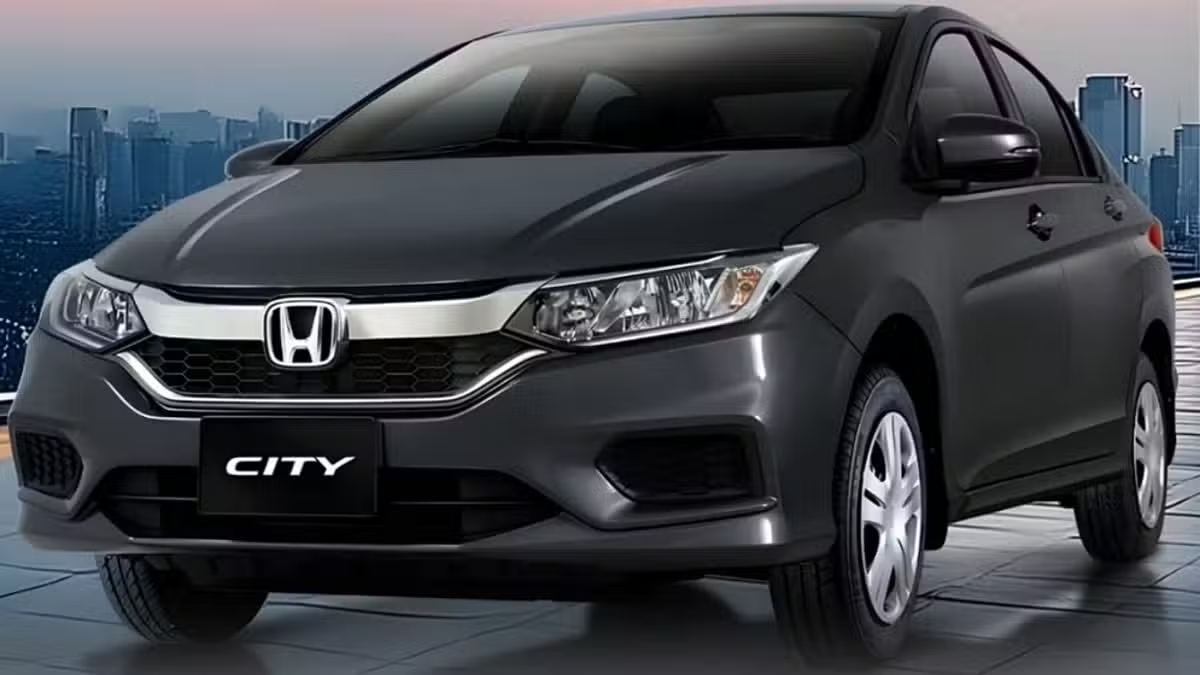
Pakistan's carmakers do not yet have an official copy of the new auto policy, days after the government announced it. The Pakistan Automotive Manufacturers Association (PAMA) has now written to the Ministry of Industries and Production (MoI&P) asking for one.
In a letter to the Secretary, MoI&P, PAMA Director General Razi-ur-Rahman congratulated the ministry on announcing the long-awaited policy and called it a need of the time.
"We will be grateful if an official copy of the document is shared with the association for the benefit of its members," he wrote.
Why the Auto Policy Matters to Pakistan's Industry
PAMA represents the country's major vehicle makers. These are the same companies that will have to follow the policy's new rules on prices, exports and vehicle quality. The request shows the industry is still working from public statements instead of the actual document.
What the New Auto Policy Contains
The new auto policy was approved last week. At a press conference in Islamabad, Prime Minister's Adviser on Industries and Production Haroon Akhtar said carmakers will not be allowed to take more than 20% of a car's price as advance payment.
He said the policy aims to raise auto exports from $200 million to $6 billion, and manufacturers that miss their export targets will face penalties. It also adds 45 new quality standards and raises the financing limit for electric vehicles from Rs. 2 million to Rs. 10 million.
Akhtar said car prices will gradually come down under the policy. ProPakistani has earlier reported how much vehicle prices are expected to drop.
Background: Pakistan's Automotive Sector and Policy History
Pakistan's automotive industry has grown steadily since the 1990s, driven by a mix of local assembly, foreign joint ventures, and a large consumer market for affordable cars. Over the past decade, the sector has faced criticism for high import duties on components, limited export orientation, and inconsistent quality standards.
Previous attempts to regulate pricing and quality were fragmented, often issued as separate circulars rather than a single comprehensive policy. The lack of a unified framework has made compliance costly for manufacturers and confusing for consumers.
How the Ministry of Industries and Production Develops Policies
The Ministry of Industries and Production (MoI&P) drafts policy proposals in consultation with industry bodies, trade unions, and technical experts. Drafts are reviewed by the Cabinet Committee on Economic Affairs before final approval. Once approved, the text is officially published in the Gazette and distributed to relevant ministries, chambers of commerce, and trade associations.
In practice, however, the distribution chain can be delayed, especially when a policy is announced at a high-level press conference before the formal Gazette release. This gap often forces industry groups to rely on media summaries rather than the full legal text.
Implications of the Advance-Payment Limit
The 20% advance-payment ceiling is intended to protect consumers from high upfront costs and reduce the risk of loan defaults. Under the new rule, a buyer of a car priced at Rs. 3 million could be asked to pay no more than Rs. 600,000 before delivery.
Dealerships will need to adjust financing arrangements, possibly increasing reliance on bank loans or leasing structures. Smaller dealers may face cash-flow challenges if they previously depended on larger down-payments to cover inventory costs.
Export Targets and Penalties
Raising the export goal from $200 million to $6 billion represents a more than twenty-five-fold increase. The policy ties export performance to incentives such as tax rebates, but also outlines penalties for firms that fall short of their allocated quotas.
Penalties could include higher customs duties on locally sold vehicles, reduced access to government-backed financing, or mandatory participation in export-capacity-building programmes. The exact penalty formula has not been disclosed in the public statements, which is why manufacturers are pressing for the official copy.
New Quality Standards and EV Financing
The addition of 45 new quality standards aligns Pakistan's automotive regulations with international norms such as ISO 26262 for functional safety and Euro VI emission limits. Compliance will likely require upgrades to testing facilities and supply-chain verification processes.
Increasing the financing ceiling for electric vehicles (EVs) from Rs. 2 million to Rs. 10 million is a clear signal that the government wants to accelerate EV adoption. The higher limit should make it easier for manufacturers to source batteries and for consumers to obtain loans for EV purchases.
Impact on Consumers, Dealers, and Manufacturers
Consumers stand to benefit from lower vehicle prices over time, as the policy promises a gradual price decline. However, the short-term effect may be a tighter credit environment while dealers adapt to the new advance-payment rule.
Dealership networks will need to revise sales contracts, train staff on the new financing caps, and possibly renegotiate terms with banks. Manufacturers will have to align production schedules with the export targets, invest in quality-control upgrades, and explore EV line-ups to qualify for the higher financing ceiling.
What Happens Next: Timeline and Next Steps
The Ministry of Industries and Production is expected to issue the official document within the next two weeks, following standard Gazette procedures. Once the full text is released, PAMA will likely circulate a detailed briefing to its members, highlighting compliance deadlines and any required procedural changes.
Industry observers advise manufacturers to begin internal audits now, using the public statements as a provisional guide, to avoid penalties once the official rules take effect.
Practical Takeaways for Stakeholders
- Dealers should review financing contracts to ensure advance payments do not exceed 20% of the vehicle price.
- Manufacturers must start mapping export pathways to meet the $6 billion target and prepare for potential penalties.
- All firms should assess their current quality-control systems against the 45 new standards and budget for necessary upgrades.
- Companies planning EV launches can now justify larger loans, up to Rs. 10 million per vehicle, under the revised financing ceiling.
Until the official copy is circulated, the industry will continue to rely on the statements made by Adviser Haroon Akhtar and the summary released at the press conference. The request by PAMA underscores the importance of transparent, timely access to policy documents for effective implementation.