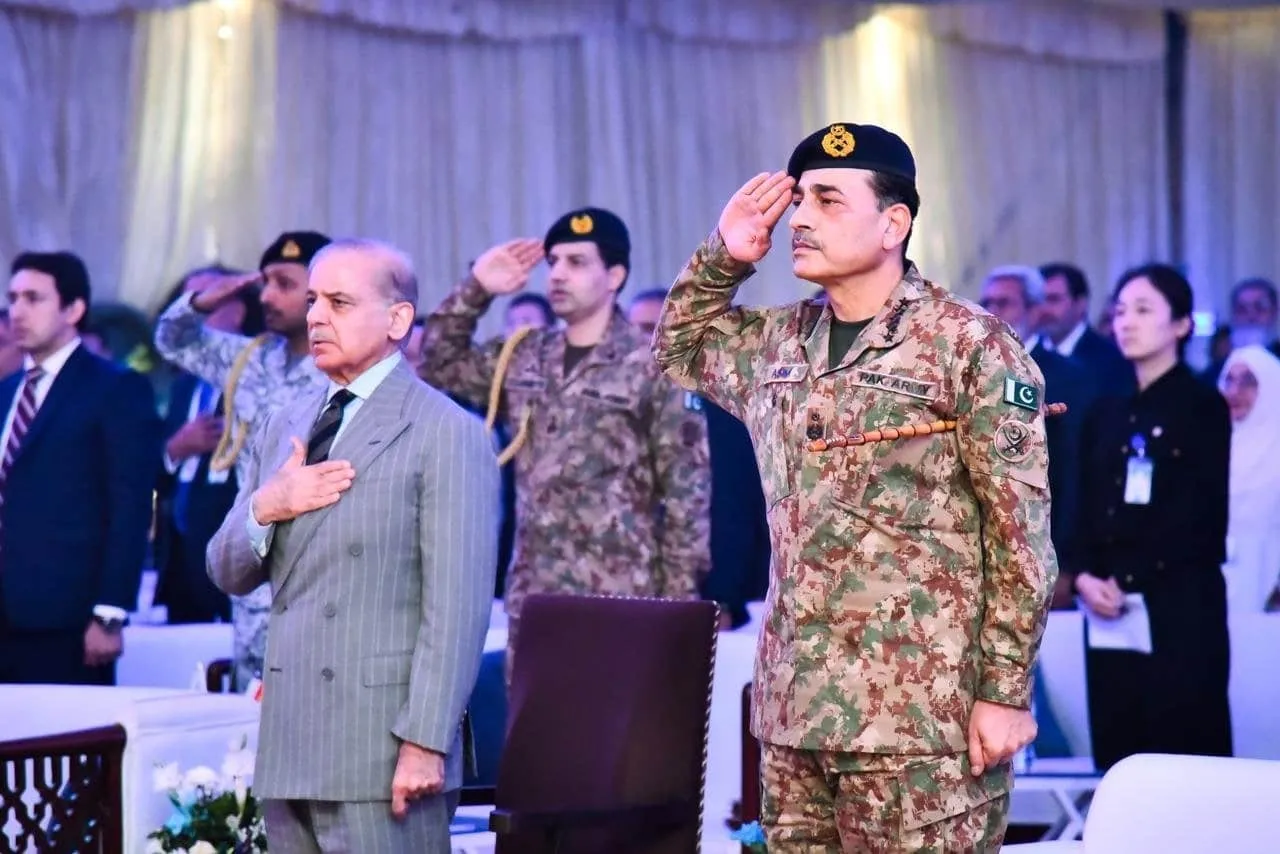
Field Marshal Asim Munir Visits Turbat to Review Balochistan Security and Development
Chief of Army Staff and Chief of Defence Forces Field Marshal Syed Asim Munir travelled to Turbat, Balochistan, on Thursday to conduct a comprehensive review of the security situation and the ongoing progress on various development projects across the province. His visit underscores the ongoing focus of the military establishment on the southwestern region, which remains a focal point for both security operations and socio-economic planning. According to an official statement issued by the Inter-Services Public Relations, the field marshal received a formal welcome from the Corps Commander Balochistan upon his arrival at the location.
The high-level visit comes at a time when administrative and military authorities are working to balance counter-terrorism measures with civilian uplift programmes. During his time in Turbat, Field Marshal Asim Munir engaged with military personnel, reviewed operational preparedness, and assessed the implementation of welfare initiatives designed for the local population. The presence of the top military commander in Balochistan highlights the strategic importance placed on stabilizing the province and integrating its economic development with the rest of the country.
Paying Tribute to Fallen Soldiers at the Shuhada Monument
A central part of the itinerary in Turbat was a solemn ceremony at the local Shuhada Monument. Field Marshal Asim Munir laid a floral wreath at the memorial site to honor military personnel who have lost their lives in the line of duty. Following the wreath-laying, he offered Fateha in remembrance of the sacrifices made by the security forces to maintain order in the region.
Security personnel operating in Balochistan frequently face hostile conditions while countering militant threats. Memorializing fallen soldiers serves to maintain morale among the troops stationed in remote and rugged terrain. The tribute emphasized the human cost of the ongoing security efforts and the institutional recognition of military sacrifices in safeguarding the local population from violence.
Briefing on Security Situation and Counter-Terrorism Operations
During the visit, Field Marshal Asim Munir received a detailed briefing covering multiple aspects of regional security. The briefing focused on the overall security architecture, operational preparedness, and the status of ongoing operations directed against externally sponsored terrorism in the region. Military officials presented assessments regarding threat levels and the tactical measures being deployed to counter subversive elements operating within the province.
The reference to externally sponsored terrorism points to ongoing concerns about cross-border interference and proxy networks aiming to disrupt regional stability. Security forces maintain an active posture to deter attacks on infrastructure, personnel, and civilians. The briefing provided the army chief with an updated assessment of how effectively current tactical deployments are containing these threats and securing vulnerable communication and transport corridors.
Reviewing Socio-Economic Development Projects in Balochistan
Beyond military operations, the visit placed significant emphasis on socio-economic development projects intended to improve the welfare of the people of Balochistan. Field Marshal Asim Munir reviewed the progress achieved so far on these various initiatives, which form a crucial component of the state strategy to address local grievances and foster long-term stability. Development works typically encompass infrastructure improvements, educational facilities, healthcare access, and employment generation schemes.
Economic marginalization is frequently cited by analysts as a key driver of instability in the province. By pairing security operations with targeted development investments, authorities seek to integrate Balochistan more fully into national economic life. The oversight provided by the military leadership demonstrates institutional backing for civil administration efforts to accelerate lagging infrastructure projects and deliver tangible benefits to citizens.
Interaction with Troops and Praise for Professionalism
While moving through the military installations in Turbat, Field Marshal Asim Munir took the opportunity to interact directly with the troops stationed in the area. He praised their operational readiness, high level of professionalism, and unwavering commitment to defending the country under challenging conditions. Stationed in remote posts across harsh landscapes, soldiers rely on steady leadership and clear directives to maintain effectiveness.
Direct communication between the top commander and ground troops is standard practice during field visits to ensure morale remains strong. By acknowledging the harsh realities faced by soldiers on a daily basis, the military leadership reinforces unit cohesion. The commendation highlighted the importance of sustained discipline and vigilance in neutralizing threats before they can materialize into larger security incidents.
Background on Balochistan Security and Development Challenges
Balochistan, the largest province by area in the country, has long faced complex security and economic hurdles. Geographically vast and sparsely populated, the region shares long international borders with Iran and Afghanistan, making border management a persistent challenge. Historical grievances related to resource distribution, political representation, and economic development have occasionally created space for separatist insurgencies and militant groups to exploit local discontent.
Over the years, successive governments and the armed forces have pursued a dual-track approach combining security enforcement with major connectivity and economic projects. Initiatives such as the development of deep-sea ports, major highway networks, and mineral extraction projects are designed to transform the economic potential of the province. However, these projects have frequently faced security disruptions, requiring robust protection from military and paramilitary forces to ensure worker safety and project continuity.





