Greuther Furth Members Vote to Restore Historic Club Name
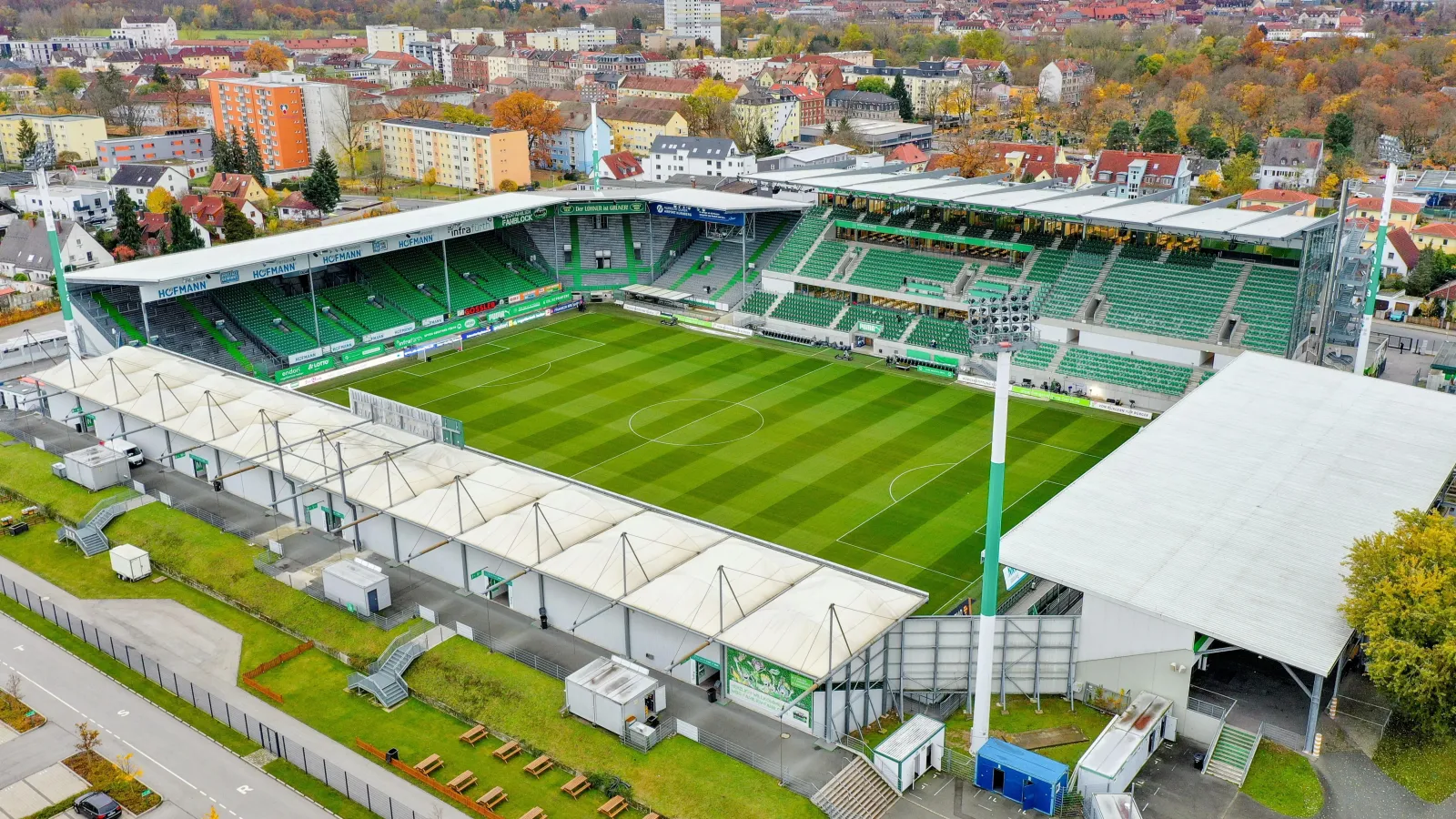
Former German champions Greuther Furth have officially announced a major identity change following a decisive member vote held at their home stadium. From the 2027-28 campaign, the 2. Bundesliga club will be known as SpVgg Furth. The decision marks a return to the roots for the traditional Franconian outfit, reversing a decades-old moniker that had defined the club since the late twentieth century. A total of 1,867 club members turned out on Sunday at the Sportpark Ronhof | Thomas Sommer stadium to cast their ballots on the proposal. The turnout demonstrated deep engagement from the fanbase regarding the heritage and traditional identity of the institution.
When the ballots were counted, an overwhelming 75 per cent of the participating members voted in favour of making the change. This clear mandate gave the club leadership the exact backing required to initiate the formal transition back to the historical designation. The name SpVgg Furth holds immense sentimental value, as it was the original name of the club before structural changes altered its identity in the 1990s. The restored name will officially take effect as of next summer, giving the administration several months to complete the necessary administrative and commercial adjustments.
The History Behind the SpVgg Furth Name and 1996 Merger
To understand the significance of this vote, one must look back at the history of the club and the merger that shaped its recent decades. SpVgg Furth was originally founded under that historic banner, achieving great success in the early decades of twentieth-century German football. However, the club underwent a significant transformation following a 1996 merger with TSV Vestenbergsgreuth. That union brought financial stability and new sporting momentum, but it also resulted in the hyphenated name Greuther Furth that fans have known for nearly thirty years.
While the merger secured the club's position in the modern pyramid, a dedicated faction of supporters always maintained a desire to reclaim the original title. An internal initiative campaigned for many years, working through official channels and engaging with club leadership to bring the matter to a formal vote. Their factual and dedicated approach ultimately succeeded in convincing the broader membership base to support the restoration of the traditional name. The decision reflects a growing trend in European football where traditional fan bases seek to reclaim historical identities from corporate or merged eras.
Club Leadership Responds to the Landmark Member Vote
Following the conclusion of the landmark vote, club president Volker Heissmann addressed the assembly to share his thoughts on the historic outcome. Club president Volker Heissmann said, Our members have ensured a clear result. He expressed gratitude to the community for turning out in such high numbers on Sunday to determine the future identity of the organisation. I thank everyone who participated in the meeting, he added, acknowledging the civic engagement of the supporters.
President Heissmann also directed specific praise toward the grassroots campaign that kept the issue alive over many years. My appreciation goes to the initiative that, for many years, campaigned with great dedication and in a factual manner for the name change and thus secured the necessary votes, he stated. Looking ahead, the administration is moving quickly to handle the logistics of the transition. The board will now prepare the necessary steps to implement the name change as comprehensively as possible at the start of the new season, according to the club leadership.
Rich Tradition and Championship Pedigree of the German Club
The club holds a proud and storied place in the history of German football, long before the modern Bundesliga era was established. The team have been champions of Germany three times, claiming the national title in 1914, 1926, and 1929. These historic triumphs place the club among an elite group of traditional German sides with pre-war championship pedigree, a point of immense pride for the local community in Franconia.
In more recent history, the club has experienced the highs of promotion and the challenges of the lower professional tiers. They won the 2. Bundesliga in 2012 as they earned promotion back to the top flight, a memorable campaign for the supporters. The team was most recently in the Bundesliga in 2022, competing against Germany's elite clubs before returning to the second division. These sporting milestones provide the backdrop for the current transition, linking past glories with a renewed sense of traditional identity.
Current Sporting Context in the 2. Bundesliga
While preparations for the upcoming name change unfold in the boardroom, the team continues to battle on the pitch in the 2. Bundesliga. The club are currently 10th in the second tier after 11 games of this season. Maintaining stability in the highly competitive second division remains the immediate priority for the coaching staff and players while off-field preparations for the 2027-28 transition get underway.
The timing of the announcement allows the commercial and operational departments ample runway to manage rebranding efforts. Everything from stadium signage and merchandising to league registration and digital assets will need to reflect the new identity by next summer. Supporters who championed this cause for decades can now look forward to seeing the classic SpVgg Furth moniker return to the professional stage, bridging more than a century of local football heritage.