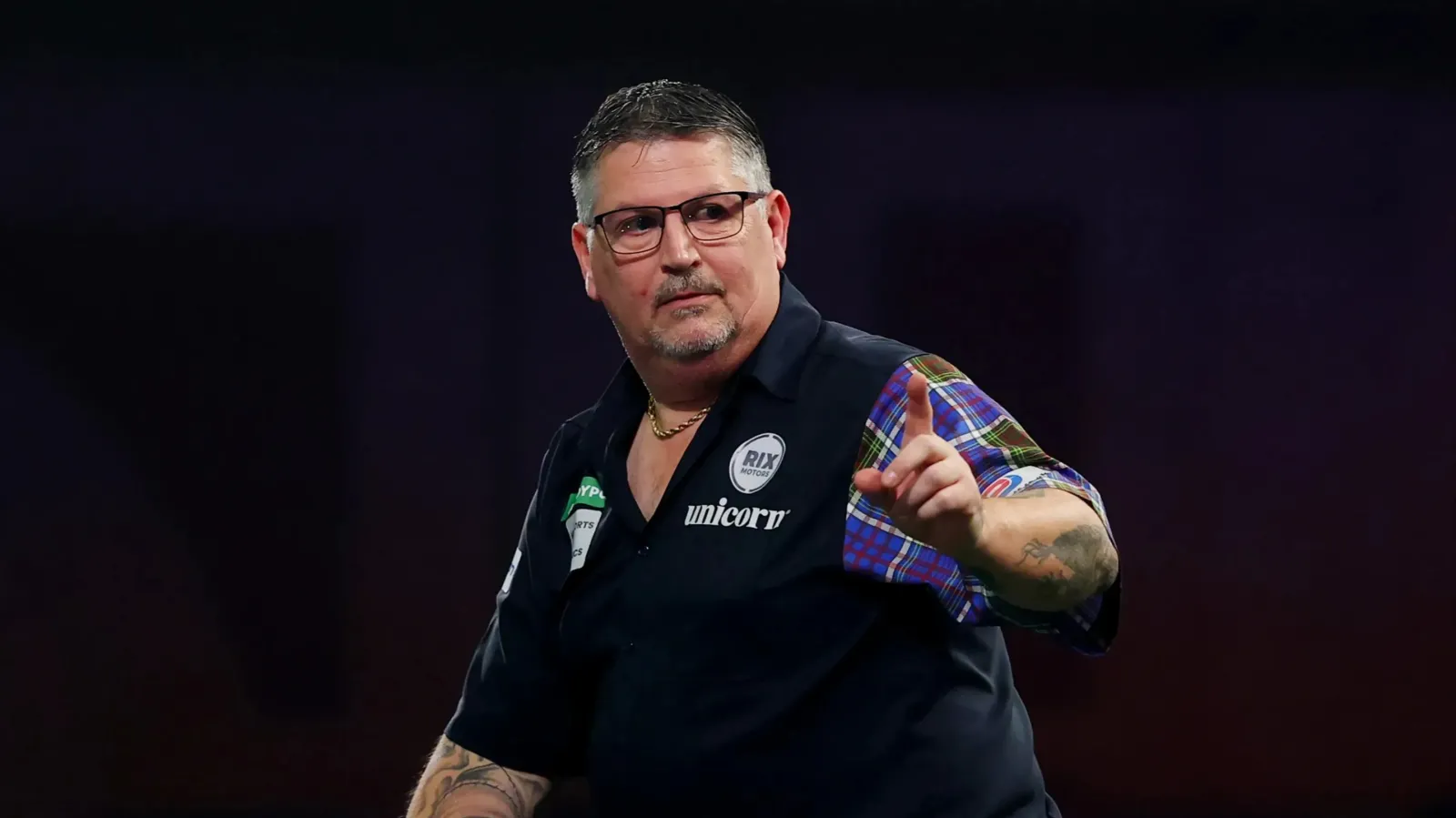
Gary Anderson, the 55-year-old two-time world darts champion, will not take part in this year's Grand Slam of Darts, making it only the second time in the event's 20-year history that he is absent.
The decision follows Anderson's choice not to enter the PDC Grand Slam of Darts Tour Card Holder Qualifier, scheduled for Friday afternoon at Leicester's Mattioli Arena. Anderson has repeatedly said that if he does not earn automatic qualification he will not attend a last-chance qualifier.
Why Anderson's Absence Matters
Anderson's record at the Grand Slam includes two final appearances (2011 and 2018) and five semi-final defeats. His presence has been a draw for television audiences and sponsors alike, and his withdrawal leaves a gap in a field of 48 players that includes tournament finalists, Pro Tour winners and eight Tour Card holder qualifiers.
What the Grand Slam of Darts Is
The Grand Slam of Darts is a televised PDC event that brings together champions and top performers from the calendar year. It is held at the WV Active Aldersley venue between November 14 and 22, with a total prize fund of £1 million, including a £200,000 cheque for the champion. The format mixes group stages and knockout rounds, giving fans a chance to see rivalries from across the PDC circuit clash.
How Players Qualify
Eligibility is based on several pathways:
- Finalists from televised major tournaments held during the year.
- Winners of PDC Pro Tour titles.
- Additional qualifiers selected by the PDC.
- Eight spots reserved for Tour Card holders who compete in a separate qualifier.
Anderson's decision not to enter the Tour Card Holder Qualifier means he forfeits any chance of gaining a place through that route.
Anderson's Grand Slam History
Anderson debuted at the Grand Slam in its inaugural year, 2007. His first final came in 2011, where he was beaten 16-4 by Phil 'The Power' Taylor. In 2018 he reached the final again, losing 16-13 to Gerwyn Price in a match remembered for a heated exchange on the oche.
Between those two finals, Anderson has been eliminated in the semi-final stage five times, underscoring both his consistency in reaching the latter stages and the difficulty of converting those runs into titles.
Current Season Overview for Anderson
During the current season Anderson has not accumulated enough ranking points or titles to earn automatic entry into the Grand Slam. He remains world No.14 and will compete in the Players Championship Finals later this month, an event that will miss reigning champion Luke Littler and 2023 finalist Nathan Aspinall.
Anderson resides in Somerset and will be competing in the Players Championship Finals at Butlin's Minehead from November 27 to 29, allowing him to stay in his own home during that tournament.
Impact on the Tournament Field
Anderson's absence opens a slot for another Tour Card holder to qualify through the Leicester qualifier. The open slot may benefit emerging players seeking exposure on a major TV stage. For broadcasters, the loss of a high-profile name could affect viewership numbers, though the event still features many other top-ranked players.
What Comes Next for the Grand Slam
The Grand Slam will proceed with the full 48-player draw as scheduled. The Tour Card Holder Qualifier in Leicester will determine the final eight participants. Fans can expect the group stage to begin on November 14, followed by knockout rounds leading to the final on November 22.
Anderson will focus on the Players Championship Finals, where he aims to improve his ranking and potentially secure a spot in next year's Grand Slam through automatic qualification.
Practical Takeaways for Fans
Viewers who follow Anderson can still watch him compete in the Players Championship Finals at Butlin's Minehead. Ticket holders for the Grand Slam should note that the event's schedule and prize structure remain unchanged despite the Scottish star's withdrawal.
Betting operators will adjust odds to reflect the altered field, and fantasy darts participants will need to revise their line-ups accordingly.
For those interested in the financial side, the £1 million prize pool includes a £200,000 prize for the champion, while the remaining £800,000 is distributed among other participants based on progression.