Pakistan Restarts Offshore Oil and Gas Exploration After 20 Years
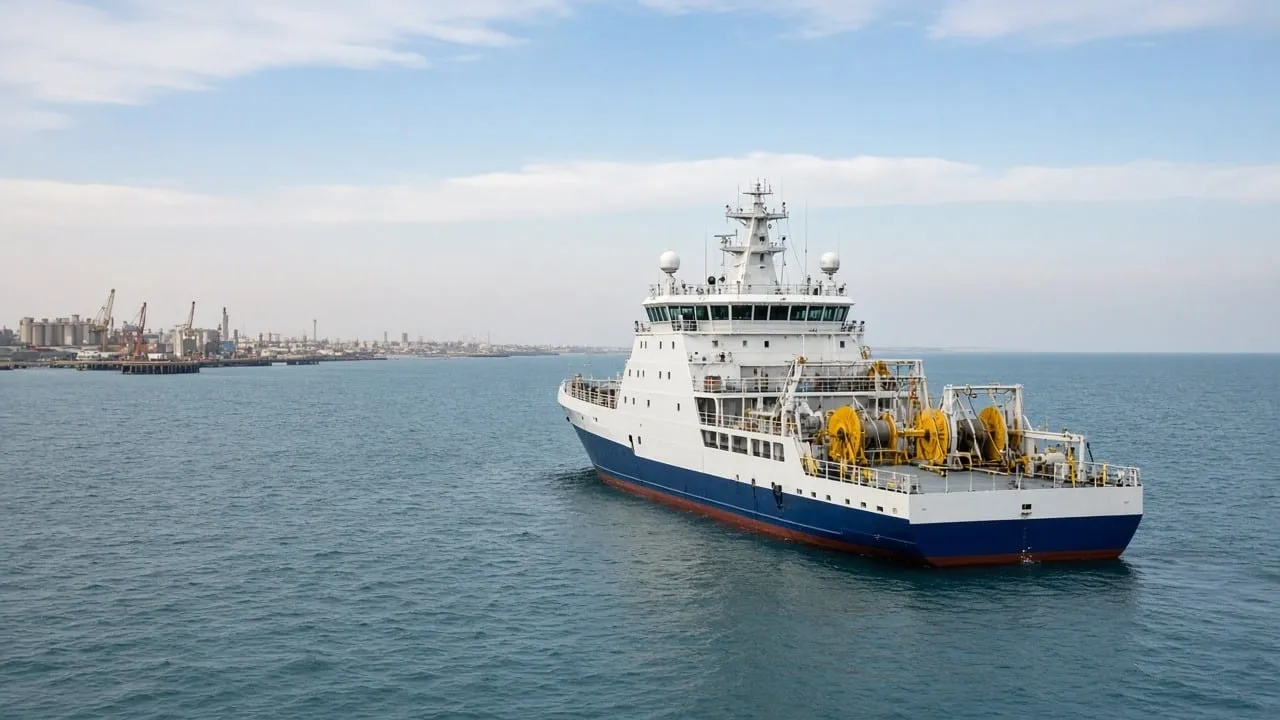
Pakistan is set to restart offshore oil and gas exploration after a 20-year gap, with a Turkish Petroleum seismic survey vessel due in Karachi between 17 and 20 November. This major development marks a return to maritime energy prospecting after two decades of inactivity in the country offshore basins.
Federal Minister for Petroleum Ali Pervaiz Malik chaired a high-level meeting in Islamabad on Friday to review security, maritime and operational arrangements for the vessel's arrival and the offshore campaign, Radio Pakistan reported. Officials across multiple government sectors gathered to ensure the incoming vessel faces no logistical hurdles upon entering Pakistani waters.
Minister to Welcome the Vessel
Malik called the project a milestone in Pakistan-Türkiye energy ties and said he would try to receive the vessel in Karachi personally. The high-profile involvement of the petroleum minister highlights the strategic importance Islamabad places on reviving maritime energy exploration.
He assured the Turkish side of full support and said the work would strengthen Pakistan's energy security. Turkish Petroleum project manager thanked Pakistani authorities for their cooperation during the planning phases of this multi-week operation.
What This Means for Energy Security
Seismic surveys map the seabed for possible oil and gas before any drilling starts. By sending sound waves through the water and deep into the seabed, geologists create detailed subterranean profiles that reveal promising geological structures.
Pakistan's offshore waters have seen little exploration for two decades, even as the country relies heavily on imported fuel. Domestic production has historically concentrated onshore, leaving vast maritime territories largely unexamined despite growing national energy demands.
The Turkish vessel's arrival follows earlier Pakistan-Türkiye plans for joint offshore work and comes after Pakistan awarded major offshore exploration blocks in a large bid round last year. Officials say the survey is an early step toward finding more domestic resources and cutting import dependence.
Understanding Seismic Surveys in Offshore Exploration
Before energy companies spend millions of dollars drilling exploratory wells in deep water, they must understand the subterranean geology. Seismic vessels tow specialized equipment that generates acoustic impulses, recording the echoes that bounce back from various rock layers beneath the sea floor.
This scientific method helps locate potential hydrocarbon traps without disturbing the marine environment unnecessarily. The data collected by the incoming Turkish vessel will undergo rigorous analysis by petroleum engineers and geophysicists to pinpoint future drilling targets.
Successful seismic mapping can dramatically alter the economics of a frontier basin by identifying commercial prospects before capital-intensive drilling rigs are deployed to the site.
The Broader Impact on Pakistan Economy and Import Bills
Pakistan spends billions of dollars annually on imported liquefied natural gas and petroleum products to meet domestic electricity generation and transport needs. Global price volatility places a heavy burden on the national treasury and foreign exchange reserves.
Finding domestic oil and gas reserves offshore could alleviate this financial strain over the long term. Reduced reliance on foreign fuel imports would stabilize local industries, lower power generation costs, and improve the balance of payments for the government.
Local businesses and ordinary citizens alike feel the pinch of high energy tariffs, making any credible path toward domestic resource discovery a matter of intense public interest.
Bilateral Energy Cooperation Between Pakistan and Türkiye
The upcoming survey represents a deepening of strategic ties between Islamabad and Ankara in the energy sector. Turkish Petroleum brings advanced technical expertise and specialized marine vessels to the partnership, while Pakistan provides the geological access and regulatory framework.
Cooperation agreements signed in recent years have laid the groundwork for joint ventures in various engineering and resource extraction domains. Both governments view energy collaboration as a cornerstone of their broader diplomatic and economic relationship.
As the seismic vessel prepares to dock in Karachi, technical teams from both nations are finalizing operational protocols for the multi-week surveying campaign across designated maritime blocks.
Next Steps in the Offshore Campaign
Once the seismic vessel arrives in Karachi between 17 and 20 November, it will deploy equipment and begin systematic sweeps of the assigned offshore exploration blocks. Maritime security agencies will monitor the operations to ensure safety and clear navigation channels along the coast.
Following the completion of the survey data collection, processing and interpretation will take several months. The resulting geological reports will determine whether energy consortiums proceed to exploratory drilling phases in the Arabian Sea.
Observers and industry analysts will watch these maritime operations closely as Pakistan tests its offshore potential after twenty years of dormancy.