Pakistan Plans Complete Digital Payments Transition by December 2026
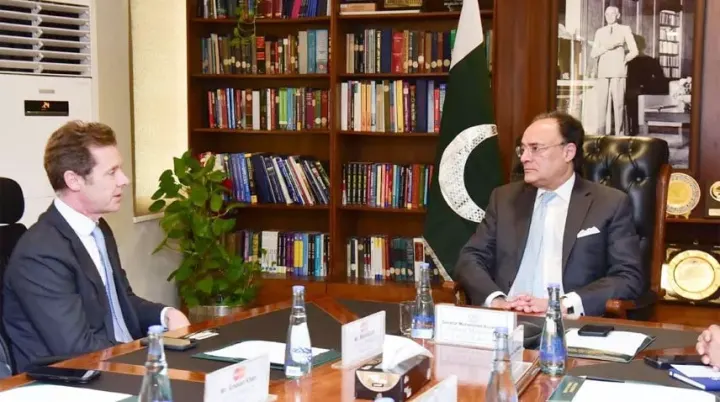
Prime Minister Shehbaz Sharif directed authorities to prepare a clear roadmap and time-bound targets for a 100 per cent digital payments system in Pakistan, according to a statement by the Prime Minister's Office. The directive was issued while the prime minister chaired a high-level meeting in Islamabad focused on promoting a cashless economy.
During the session, officials received instructions to resolve users problems in the digital payments system immediately. The prime minister also stressed the necessity of ensuring internet access and easy access to technology across the country to support the transition. Promoting a cashless economy remains a top government priority, and the administration noted that positive results are already emerging.
The Role of Raast QR Codes in Pakistan Financial Strategy
The prime minister commended the efforts of the Ministry of Finance and other state institutions. He described Raast QR code payments as instrumental in achieving the government vision for financial modernisation. Officials confirmed that the scheme promoting digital payments between consumers and merchants through Raast QR codes will continue under government patronage.
وزیراعظم محمد شہباز شریف کی زیرِ صدارت ملک میں کیش لیس معیشت کے فروغ کے حوالے سے اعلیٰ سطحی اجلاس آج اسلام آباد میں منعقد ہوا.
— Prime Minister's Office (@PakPMO) November 6, 2026
گفتگو کرتے ہوئے وزیرِ اعظم نے کہا کہ کیش لیس معیشت کا فروغ حکومت کی اہم ترین ترجیحات میں سے ایک ہے، جس کے مثبت نتائج سامنے آنا شروع ہو گئے ہیں. کیش… pic.twitter.com/zWNAtk50ga
To accelerate adoption, authorities received orders to launch a media campaign. This campaign will encourage electricity and gas consumers to pay through the QR codes printed directly on their utility bills. Furthermore, all ministries and government institutions received instructions to fully implement the cashless economy plan without delay.
Digitisation Progress in Federal and Provincial Government Institutions
During the high-level meeting, attendees received a detailed briefing on the progress of financial modernisation. The briefing stated that the digitisation of payments in federal and provincial government institutions is progressing rapidly. Payments in most government institutions will be fully digitised by December 2026.
Certain welfare distributions have already achieved complete electronic integration. All payments under the Benazir Income Support Programme are already made through digital wallets, ensuring direct and transparent transfer of funds to beneficiaries. Meanwhile, work is underway on a modern digital payment system designed specifically for areas lacking internet access, alongside broader infrastructure projects to expand internet availability across the country.
End of Cheque-Based Payments and Upcoming Deadlines
Significant procedural changes are already scheduled to take effect across the public sector. The briefing stated that cheque-based payments through the Asaan Assignment Account will be discontinued from November 15. This traditional method will be replaced by the Raast digital system nationwide.
To ensure a smooth transition, drawing and disbursing officers have already completed training for the change. This step removes legacy paper-based accounting methods from government offices, reducing processing times and administrative costs associated with physical cheques.
History of the Cashless Economy Initiative
The push for financial digitisation follows a structured series of policy decisions over recent years. PM Shehbaz formed a high-level committee to promote a cashless economy in June last year. Building on that foundation, he directed in July this year that remittances from abroad be fully digitised to streamline foreign capital inflows into the country.
The latest directives build upon these earlier milestones, aligning various bureaucratic departments under a unified timeline. By setting a definitive target of December 2026, the government aims to eliminate cash dependence in official transactions and expand financial inclusion for citizens nationwide.