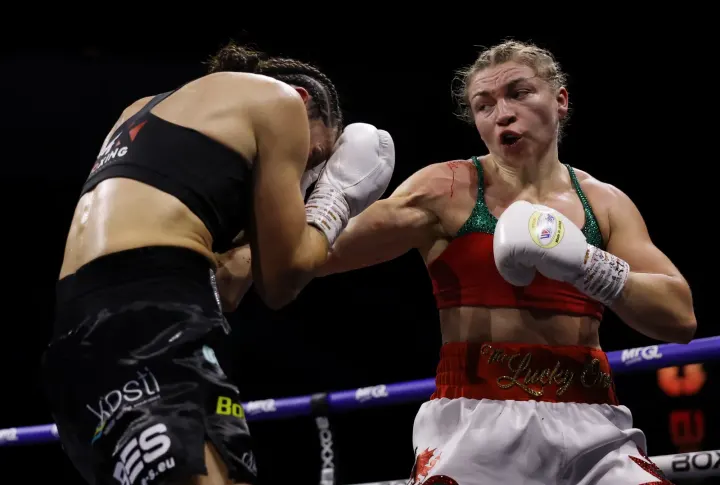
Welsh boxer Gavin Gwynne enters the ring for a high-profile bout against Manchester fighter Zelfa Barrett at Wembley Arena on Saturday. At thirty-six years of age, the athlete finds himself experiencing a remarkable resurgence in the sport. His longevity and recent performances have drawn comparisons to fine wine, defying the conventional timeline of professional combat sports.
The journey to this stage has tested the resolve of the former carpenter. Following a period marked by harsh and controversial decisions that went against him, he secured a hard-fought victory on points against Khaleel Majid in May. The emotional weight of that win was evident when he broke down in tears inside the ring, knowing how close he had come to walking away from the sport permanently just two years prior.
The Turning Point After Injury and Hardships
The adversity faced by the athlete peaked when Mark Chamberlain defeated him in Saudi Arabia, resulting in a broken jaw and a fractured eye socket. At that moment, the physical toll and the severity of the damage left him contemplating retirement for good. The defeat threatened to bring a premature end to a career that began a decade ago, forcing him to evaluate whether his body could withstand further punishment.
Rather than accepting defeat, he made a pivotal decision to change his training setup. He joined forces with trainer Gary Lockett, a move that revitalized his passion for the sport and restored his competitive edge. This partnership provided the tactical adjustments and physical conditioning needed to climb back into contention on the national stage.
Living a Clean Lifestyle for Professional Longevity
The secret behind his current form lies in strict discipline and strict adherence to a healthy routine outside the training camp. He avoids the party scene and abstains from alcohol, choosing instead to focus entirely on the demands of professional fighting. This dedication has allowed him to preserve his physical condition well past the age when many fighters begin to slow down.
Trainer Gary Lockett frequently notes this progression, remarking on how the veteran fighter improves with each passing year. This consistent approach to training and recovery has transformed how the Welshman approaches each bout, turning past heartbreaks into fuel for future success.
Family Life and the Decision to Retire
While the physical demands of boxing take a toll, family support remains the central pillar of his career. His wife, Louise, played a vital role in his transition to a full-time professional six years ago by encouraging him to leave his day job and pursue his athletic ambitions. He often jokes about her authority in the household, stating that she is the only person he fears.
He noted, "That's the only person I'm scared of and that's my wife! So whenever she says, 'Look, that's enough.' I'm gonna have to call it a day. I'll probably go back to working a 9-5. But she's all in. She was the one who drove me to give up work and just fulfil my dream of becoming a full-time fighter six years ago and since that day she's always had my back so I can't thank her enough for that."
Impact on the Next Generation
Balancing professional ambitions with family life brings unique challenges, particularly when returning home with visible injuries. His young son often struggles to see his father dealing with the aftermath of a hard fight, such as swelling or bruising around the eyes. Despite these difficult moments, the rewards of the profession create lasting pride within the household.
When championship belts are brought home, the atmosphere shifts entirely. His son proudly shares these achievements with friends at school, where peers recognize the fighter by his full name. This local recognition brings immense joy to the family, turning the sacrifices made in the gym into cherished memories for the younger generation.