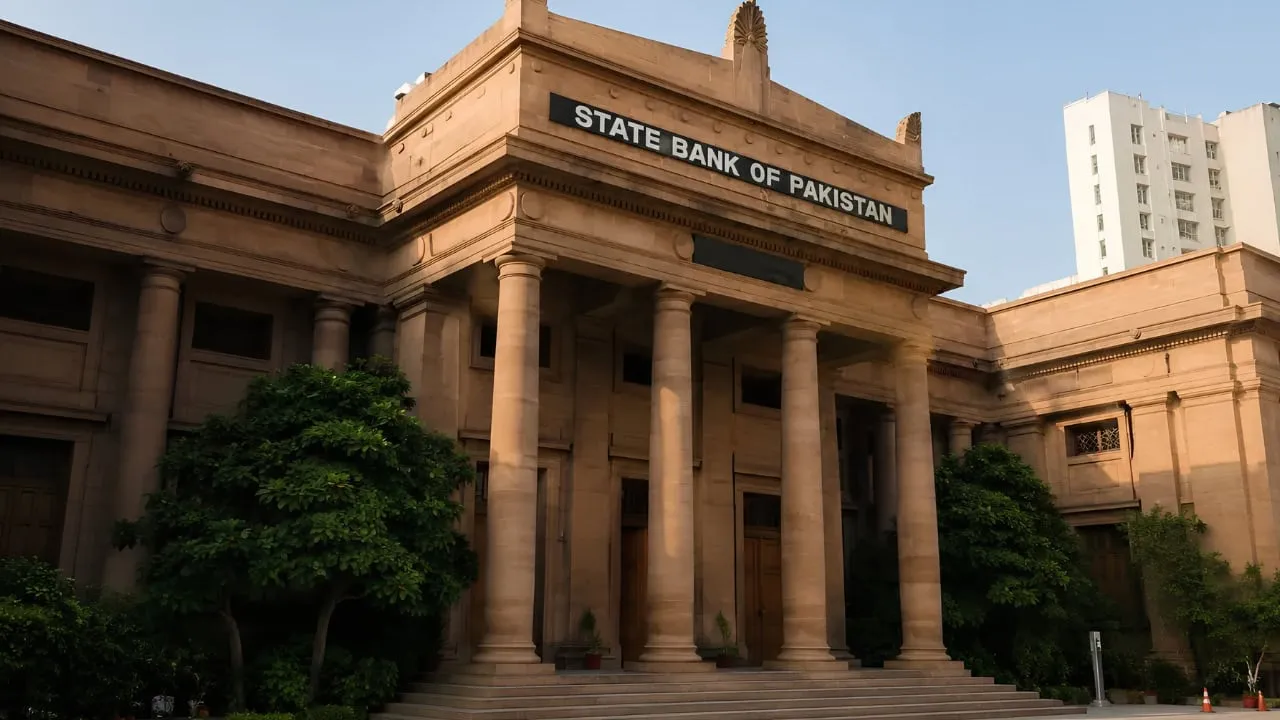
State Bank of Pakistan Transfers Rs. 1.93 Trillion Profit to Government
The State Bank of Pakistan transferred Rs. 1.932 trillion in profits to the federal government during the first two months of FY27, exceeding the full-year budget target of Rs. 1.435 trillion by nearly Rs. 500 billion. This massive financial transfer represents a significant development for national fiscal management, reinforcing the central bank position as the primary engine for non-tax revenue generation in the country.
According to Finance Ministry data, the transfer significantly surpassed the government projected revenue from the central bank. In FY26, the SBP contributed Rs. 2.619 trillion to government revenues, exceeding its original target of Rs. 2.4 trillion, which demonstrates a persistent trend of higher than expected central bank profitability over consecutive fiscal cycles.
Understanding the Role of Central Bank Profits in National Budgets
Central bank profits originate primarily from monetary policy operations, foreign exchange reserves management, open market operations, and returns on government securities held by the institution. When interest rates remain elevated, the yield on government debt instruments held on the central bank balance sheet increases, which subsequently swells the net income generated by the institution. Under statutory frameworks, the central bank retains necessary operational reserves and transfers the remaining surplus directly to the federal treasury.
For developing economies managing structural fiscal deficits, central bank transfers act as an immediate cushion against borrowing pressures. Government reliance on these dividends helps bridge the gap between tax collection and public expenditure without immediately resorting to costly commercial debt issuance. However, economists often analyze the composition of these profits to understand whether they stem from core monetary management efficiency or broader macroeconomic conditions like high domestic interest rates.
Breakdown of Federal Non-Tax Revenue in Early FY27
The federal government collected Rs. 2.36 trillion in non-tax revenue during July and August FY27 against an annual target of Rs. 5.33 trillion. The SBP remained the largest contributor to this massive sum, followed by the petroleum levy, which generated Rs. 220.2 billion during the period. Non-tax revenues form a crucial pillar of the national budget, supplementing traditional tax streams collected by the Federal Board of Revenue.
Other major sources included Rs. 25.85 billion in oil and gas royalties, Rs. 18.83 billion in markup on loans to state-owned enterprises and other entities, and Rs. 16.8 billion in markup from provincial governments. These diverse revenue streams reflect the wide array of financial interactions between the federal center, state corporations, and provincial administrations.
The government also collected Rs. 27.58 billion through the Climate Support Levy and Rs. 7.22 billion under the New Energy Vehicle Adoption Levy. Provincial government grants contributed another Rs. 34.8 billion, while other taxes generated Rs. 21 billion. These specialized levies indicate ongoing fiscal adjustments toward environmental sustainability goals and targeted public sector financing.
Historical Context of SBP Fiscal Contributions
The scale of the recent transfer aligns with historical patterns observed over the past several years, where central bank contributions frequently outperformed conservative budget estimates. During FY26, the SBP contributed Rs. 2.619 trillion to government revenues, comfortably beating its original target of Rs. 2.4 trillion. Budget planners often deliberately estimate central bank dividends conservatively to guard against unexpected macroeconomic shocks or sudden shifts in foreign exchange valuations.
Despite cautious initial projections, high domestic policy rates and large holdings of domestic government debt have consistently driven up central bank earnings. This dynamic creates a fiscal windfall for the administration, allowing policymakers greater flexibility in meeting debt servicing obligations and development expenditures during the early months of the fiscal year.
Projected Targets for Petroleum and Resource Levies
Beyond central bank dividends, the government relies heavily on energy and resource surcharges to sustain its non-tax revenue inflows. For FY27, the government has set a petroleum levy target of Rs. 1.676 trillion, while projected revenues from oil and gas royalties and the Natural Gas Development Surcharge stand at Rs. 140.5 billion and Rs. 70.81 billion, respectively. The collection of Rs. 220.2 billion from the petroleum levy in just the first two months demonstrates that the energy pricing strategy is tracking close to its ambitious annual trajectory.
Resource royalties and surcharges depend heavily on domestic extraction volumes, international commodity prices, and currency exchange rates. As energy consumption patterns evolve and administrative pricing adjustments take effect, these levies will continue to serve as vital barometers of domestic economic activity and consumer demand.
Broader Economic Impact and Fiscal Space
The early arrival of Rs. 1.932 trillion from the central bank alters the fiscal arithmetic for the first quarter of FY27, easing immediate liquidity constraints for the federal administration. By securing a major portion of its annual non-tax revenue target within the first sixty days of the fiscal year, the government gains valuable breathing room in managing its cash flows and treasury operations.
At the same time, analysts monitor these large transfers for their broader implications on monetary-fiscal coordination and public debt management. As the government transitions through the remainder of FY27, the focus will shift toward sustaining tax collection momentum, keeping expenditure within appropriated limits, and monitoring the secondary effects of high interest rates on domestic commercial borrowing and industrial growth.