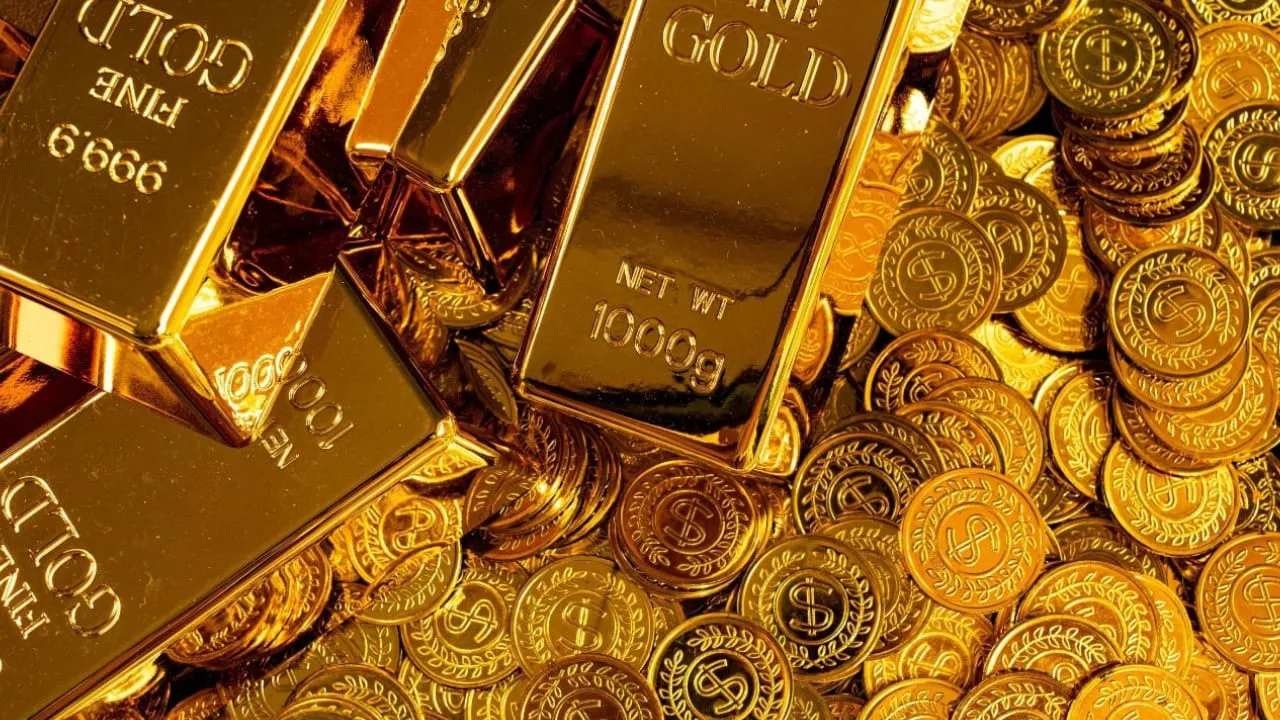
Precious metals, gold and silver, are facing heavy selling pressure across global markets. After peaking near $5,600 per ounce in January 2026, gold has slid to around $3,500-$3,580 per ounce in mid-to-late November. Consequently, the yellow metal has hit its lowest levels in over a year. Similarly, silver has suffered a steep downturn after surging to record highs around $120 per ounce early in the year. Today, silver trades at roughly $45-$50 per ounce, marking its lowest level in over a year as well.
Current Rates in Pakistan and International Markets
Below are the latest quoted rates for gold and silver in Pakistan on 28-Nov-2026.
| Metal (24K) | Per Tola | 10 Grams | 1 Gram |
|---|---|---|---|
| Gold | Rs. 378,615 | Rs. 324,606.70 | Rs. 32,460.67 |
| Silver | Rs. 4,529.76 | Rs. 3,883.61 | Rs. 388.361 |
International spot prices for the same day are:
| Spot Gold | Spot Silver |
| $3,652.28 per troy ounce | $43.696 per troy ounce |
Viewers can also check previous metal rates here: Gold & Silver Price Update for Today, 27-Nov-2026
For live currency/crypto updates, visit our Crypto Page.
Why Gold & Silver Prices Are Falling
Several macroeconomic forces are pushing gold prices downward right now. First, sticky inflation has forced markets to price in further U.S. Federal Reserve interest rate increases, including expectations around the December meeting. As a result, higher rates and rising Treasury yields increase the opportunity cost of holding gold, which pays no interest or dividends.
Furthermore, a stronger U.S. dollar is weighing heavily on bullion. Rising rate expectations and higher bond yields have lifted the greenback. Because global markets price gold in U.S. dollars, a stronger currency makes bullion costlier for buyers using other currencies. Therefore, international demand has softened.
Meanwhile, stock market losses are triggering forced selling. Steep sell-offs in equities, particularly tech and AI stocks, have pushed investors and funds to sell liquid assets like gold. In short, traders are cashing out bullion to cover equity losses, meet margin calls, or raise cash.
In addition, profit-taking and weaker retail buying have added to the decline. Following steep gains in 2025 and early 2026, traders have actively locked in their profits. At the same time, elevated prices and persistent inflation pressures have curbed discretionary jewelry purchases.
Just like gold, silver faces intense pressure from U.S. monetary policy and currency strength. Inflation concerns and hawkish Federal Reserve signals have fueled expectations of additional rate hikes. Consequently, higher yields make interest-bearing assets far more attractive than silver. Moreover, a stronger U.S. dollar makes dollar-priced silver more expensive for overseas buyers.
However, silver also suffers from weaker industrial and solar demand. Slower factory and manufacturing activity, especially in major consuming nations like China, has reduced industrial usage. On top of that, high prices earlier in the year pushed manufacturers toward thrifting and material substitution, particularly in solar applications.
Additionally, market positioning has accelerated the downturn. Heavy profit-booking after the sharp early-2026 rally, alongside position liquidations and investor outflows, has dragged prices lower. Finally, silver carries higher volatility than gold. Because silver operates in a smaller market with heavy industrial exposure, its price swings much more sharply during broad commodity pullbacks.
What Drives Gold Prices: A Brief Explainer
Gold is priced in U.S. dollars on the global spot market. The price reflects three broad components: (1) real-interest-rate differentials, (2) currency movements, and (3) risk sentiment. When central banks raise rates, real yields rise, making non-yielding assets like gold less attractive. A stronger dollar reduces the local-currency cost of gold for buyers in emerging markets, cutting demand. Finally, when investors fear equity market volatility, they often buy gold as a safe haven; the opposite occurs when confidence returns to equities.
Why Silver Moves Differently From Gold
Silver serves both as a precious metal investment and an industrial metal. About 50-60% of its demand comes from manufacturing, electronics, and solar panel production. Consequently, its price reacts not only to monetary policy but also to global industrial output. When factories in China or the United States slow, industrial demand for silver drops, adding a second layer of price pressure that gold does not face.
Impact on Pakistani Consumers and Businesses
The drop in international spot prices translates directly into lower local rates for both metals. Jewelers in Karachi, Lahore and Islamabad will see reduced margins if they continue to price items based on previous high rates. Consumers looking to buy gold jewelry or silverware will benefit from the lower per-gram prices, though the overall purchasing power may still be constrained by high inflation.
For investors, the decline creates a buying opportunity for those who view bullion as a long-term hedge. However, the same macro forces that are driving the current slump, higher U.S. rates and a strong dollar, could keep prices subdued for several months, making short-term speculation riskier.
What to Watch Next
The Federal Reserve's December policy meeting will be the next major market catalyst. If the Fed signals a pause or a smaller-than-expected hike, gold and silver could stabilise or even rebound. Conversely, a surprise rate increase would likely push prices lower.
Investors should also monitor U.S. Treasury yield movements, especially the 10-year note, as it directly influences the opportunity cost of holding non-yielding bullion. Finally, any significant shift in the U.S. dollar index, whether from a softening of the greenback or a resurgence, will immediately affect the local rupee-denominated rates.
Practical Takeaways for Readers
- If you plan to purchase gold jewellery, the current rates of Rs. 378,615 per Tola and Rs. 32,460.67 per gram represent a notable discount from the January peak.
- Silver investors should consider the industrial slowdown when assessing risk; the current price of Rs. 4,529.76 per Tola mirrors a global spot price of $43.696 per ounce.
- Watch the Fed's December meeting and the U.S. dollar index for clues on whether the downward trend will continue.
- Retailers may need to adjust pricing strategies to remain competitive while protecting margins.
Overall, the convergence of higher U.S. rates, a firm dollar and weaker industrial demand has pushed both gold and silver to their lowest levels in more than a year. Market participants in Pakistan and worldwide will be closely watching policy signals and currency movements for the next direction in bullion prices.





