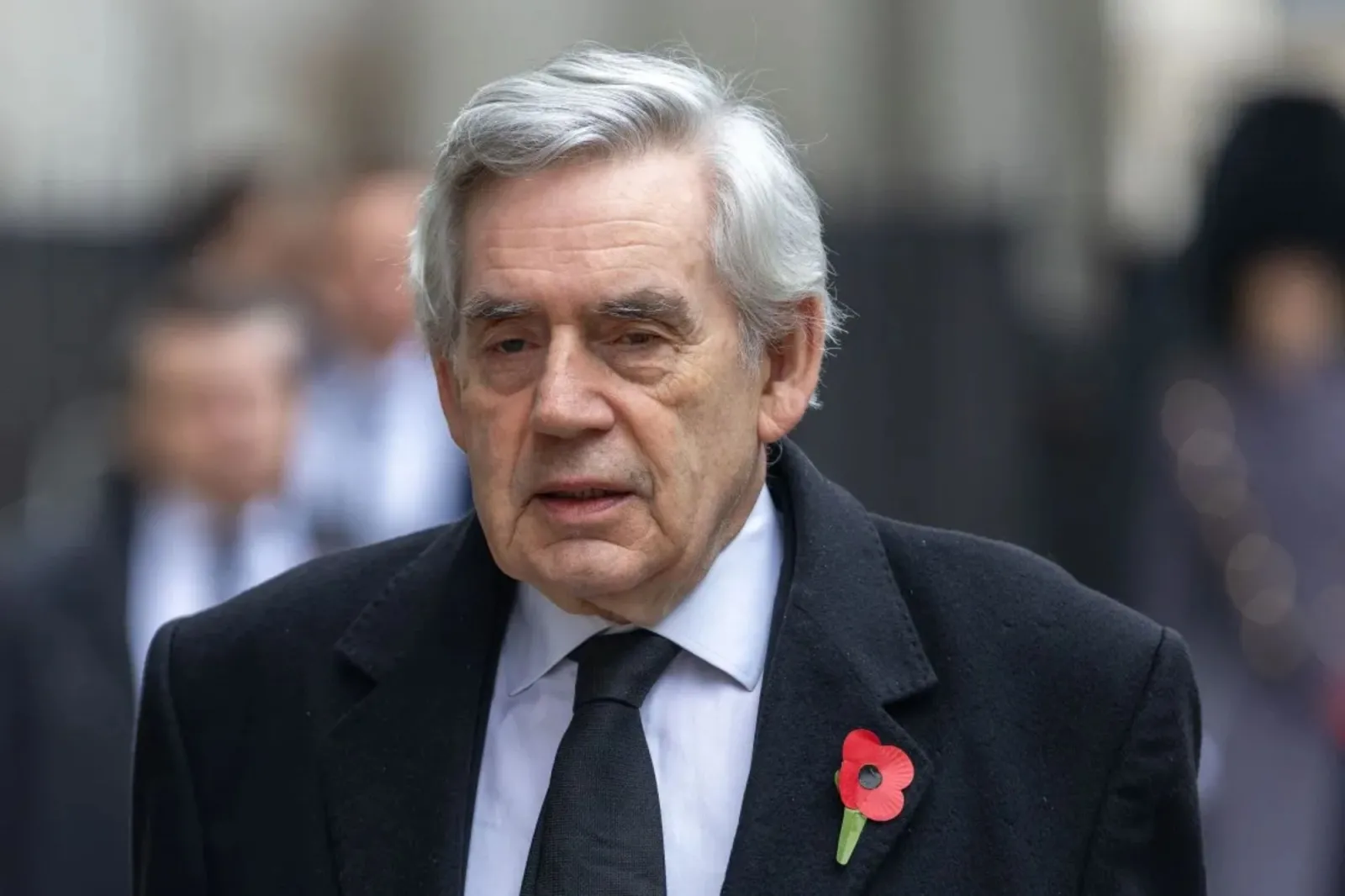
Cops probing Lord Peter Mandelson have reportedly quizzed former prime minister Gordon Brown and other senior Labour figures as part of a criminal investigation into alleged disclosure of confidential emails to convicted sex offender Jeffrey Epstein.
What the Investigation Involves
Detectives from the Metropolitan Police are focusing on claims that Mandelson, while serving as business secretary in Gordon Brown's cabinet, handed over private emails to Epstein. The emails are part of the "Epstein files" released by the US Department of Justice, a collection that includes communications between British officials and the late pedophile after his 2008 sentencing.
The Times reports that the police have interviewed Brown, former ambassador to the United States, and other senior officials such as Nick Butler, the author of a memo forwarded to Epstein that detailed a planned eurozone bailout. Police say the full, unredacted copies of the emails could meet the evidential threshold needed to charge Mandelson with misconduct in public office.
Background on Lord Mandelson's Legal Trouble
Mandelson was first arrested in February 2024 on suspicion of misconduct in public office. The arrest followed the public release of the Epstein files, which exposed a "particularly close relationship" between the former Labour peer and Jeffrey Epstein. Mandelson has consistently denied any wrongdoing and has expressed regret for his friendship with the convicted sex offender.
In December 2024, despite warnings from senior officials about his ties to Epstein, Mandelson was appointed UK ambassador to the United States. He formally took up the post in February 2026 after Foreign Office Permanent Secretary Sir Olly Robbins promised a "light-touch" vetting process. The appointment later proved controversial when Prime Minister Keir Starmer was warned that Mandelson's relationship with Epstein posed a "reputational risk".
Why US Cooperation Is Critical
The investigation hinges on the United States providing unredacted copies of the emails. Under the Mutual Legal Assistance Treaty (MLAT), UK authorities must request the documents and await US compliance. So far, US officials have refused to release the unredacted material, citing privacy and national-security concerns. Without the full files, detectives say they cannot demonstrate that Mandelson's actions meet the legal threshold for prosecution.
If the US eventually complies, the evidence could allow prosecutors to pursue a charge of misconduct in public office, a serious offence that carries up to five years' imprisonment and possible disqualification from holding public office.
Impact on UK Foreign Policy and Labour Politics
The scandal has reverberated through the UK's diplomatic corps and the Labour Party. Mandelson's removal as ambassador in September 2024, after No 10 disclosed new information about his relationship with Epstein, highlighted the government's concern over diplomatic credibility. The episode also raised questions about the vetting processes for senior appointments and the potential for foreign influence, given earlier concerns about Mandelson's ties to Russia and China.
Within the Labour Party, the investigation has placed former prime minister Gordon Brown under renewed scrutiny. Brown has publicly said he "deeply regrets" hiring Mandelson as business secretary, but he has not been accused of wrongdoing himself. The police interviews are part of a broader effort to establish whether any other cabinet members were complicit in passing confidential material to Epstein.
Legal Process and Timeline
Under UK law, a charging decision can only be made once the Crown Prosecution Service (CPS) is satisfied that there is sufficient evidence and that a prosecution is in the public interest. The CPS has indicated that a decision will not be reached until well into next year, pending the outcome of the US-UK legal assistance request.
Should the CPS decide to charge Mandelson, the case would proceed to the Crown Court, where a judge and jury would assess whether he knowingly disclosed privileged information. The prosecution would need to prove that the emails were indeed confidential, that Mandelson had access to them, and that he intentionally passed them to Epstein.
What Readers Should Watch For
Key developments to monitor include:
- The US response to the MLAT request for unredacted emails.
- The CPS's charging decision, expected in 2025.
- Any further statements from Gordon Brown or Nick Butler regarding their interviews.
- Potential parliamentary inquiries into the vetting of senior diplomatic appointments.
These steps will determine whether the investigation moves beyond the interview stage to formal charges and, ultimately, a trial.
Practical Takeaways for the Public
For citizens concerned about government transparency, the case underscores the importance of robust vetting for officials who handle sensitive information. It also highlights the complexities of cross-border legal cooperation when evidence is held abroad. While no charges have been filed, the ongoing probe serves as a reminder that public officials can be held accountable for breaches of confidentiality, even years after the alleged misconduct.
Anyone following the story should keep an eye on official statements from the Metropolitan Police, the Crown Prosecution Service, and the Foreign Office for updates on the investigation's progress.