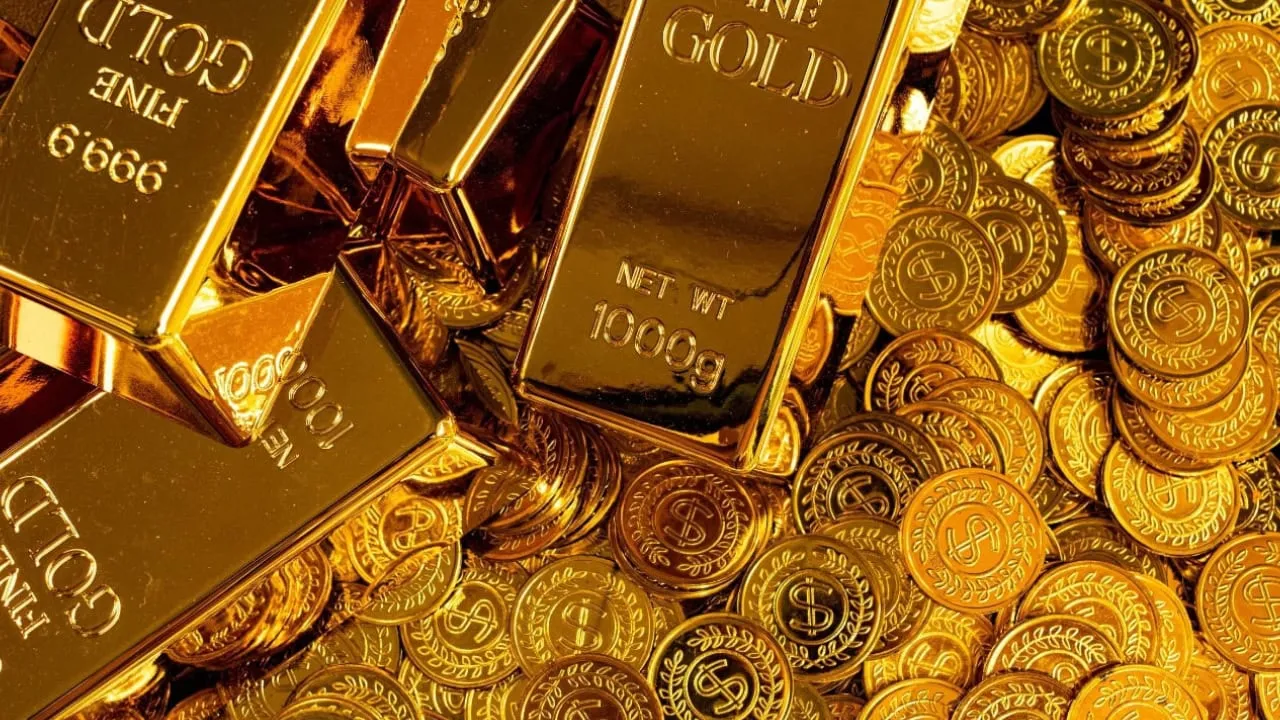
Gold and Silver Prices in Pakistan Today
Precious metal markets in Pakistan are experiencing extreme turbulence as international economic shocks translate directly into higher domestic rates. Local Sarafa markets are constantly adjusting prices to absorb these macroeconomic hits, leaving buyers and sellers grappling with elevated costs. The sudden shifts reflect a direct chain reaction starting from geopolitical standoffs in the Middle East and rippling through global commodity exchanges.
Investors across the country are closely monitoring the daily figures as inflation fears mount. The domestic bullion market reacts instantly to movements in global spot rates, creating an environment where everyday consumers find purchasing jewelry or investment bars increasingly difficult. Market participants must navigate these rapid changes while keeping a close eye on international currency values and commodity trends.
Current Metal Rates in Pakistan
Domestic rates for 24-karat gold and silver have reached notable levels across local markets. The official breakdown for precious metals within the country is structured across traditional weight measurements used by local jewelers and traders.
- Gold Per Tola: Rs. 365,938.73
- Gold 10 Grams: Rs. 313,738.90
- Gold 1 Gram: Rs. 31,373.89
- Silver Per Tola: Rs. 4,295.43
- Silver 10 Grams: Rs. 3,682.70
- Silver 1 Gram: Rs. 368.27
International Spot Market Rates for Gold and Silver
Global commodity trading floors set the baseline for domestic bullion values through spot transactions. Spot gold is currently trading at $3,518.00 per troy ounce on international exchanges. Meanwhile, spot silver stands at $41.271 per troy ounce. These figures serve as the anchor for pricing structures adopted by domestic markets in Pakistan and other importing nations.
Global investors treat these precious metals as reliable hedges against currency devaluation and economic instability. When macroeconomic indicators flash warning signs, institutional capital pours into bullion, driving up international spot valuations and subsequently raising import costs for local dealers.
How US and Iran Negotiations Impact Precious Metals
Stalled diplomatic talks between Washington and Tehran are currently driving significant volatility in the precious metals sector. President Trump recently demanded historical conflict compensation from Tehran, an ultimatum that effectively freezes ongoing peace talks. This sudden diplomatic deadlock crushes any immediate hope of reopening the Strait of Hormuz, a critical maritime chokepoint for international petroleum shipments.
The closure and friction surrounding this vital shipping lane directly threaten global energy supplies. Consequently, spiking global oil prices fuel fresh inflation fears across major economies. Central banks and financial institutions monitor these energy shocks closely, as rising fuel costs invariably feed into broader consumer price indexes.
Safe-Haven Asset Demand and Inflation Pressures
Faced with mounting economic uncertainty and inflationary threats, anxious investors aggressively buy gold and silver as safe-haven assets. Precious metals traditionally hold their intrinsic value much better than fiat currency during periods of geopolitical conflict and energy crises. This surge in physical demand outpaces standard supply adjustments, pushing spot prices higher on world exchanges.
In Pakistan, these international shocks push local prices of these assets sharply higher due to the country's reliance on imported bullion and currency exchange dynamics. Domestic buyers face the dual pressure of international spot price increases and local currency fluctuations against the United States dollar.
Background on Sarafa Markets and Local Pricing Mechanics
Local Sarafa markets operate as the traditional hubs for gold and silver trading in cities across Pakistan. Jewelers and bullion dealers in these markets calculate daily rates based on international spot quotes, shipping costs, and the prevailing exchange rate of the Pakistani Rupee. This system ensures that domestic prices remain closely tethered to global economic shifts.
Retail consumers and small-scale investors frequent these markets to buy ornaments, coins, and bars for savings or cultural events such as weddings. The recent price spikes force many households to reconsider their purchasing strategies, often opting for lower weights or alternative investment vehicles.
What Lies Ahead for Precious Metal Investors
Market observers and commodity traders suggest watching diplomatic developments in the Middle East for any signs of renewed dialogue or de-escalation. Any movement toward reopening the Strait of Hormuz or stabilizing oil production could ease inflationary pressures and calm safe-haven demand. Conversely, prolonged hostility will likely keep gold and silver prices elevated in the near term.
Investors should maintain a cautious approach and consult daily rate sheets before executing transactions in local Sarafa markets. Staying informed about international monetary policies, currency fluctuations, and geopolitical headlines remains essential for anyone holding or purchasing precious metals in the current economic climate.





