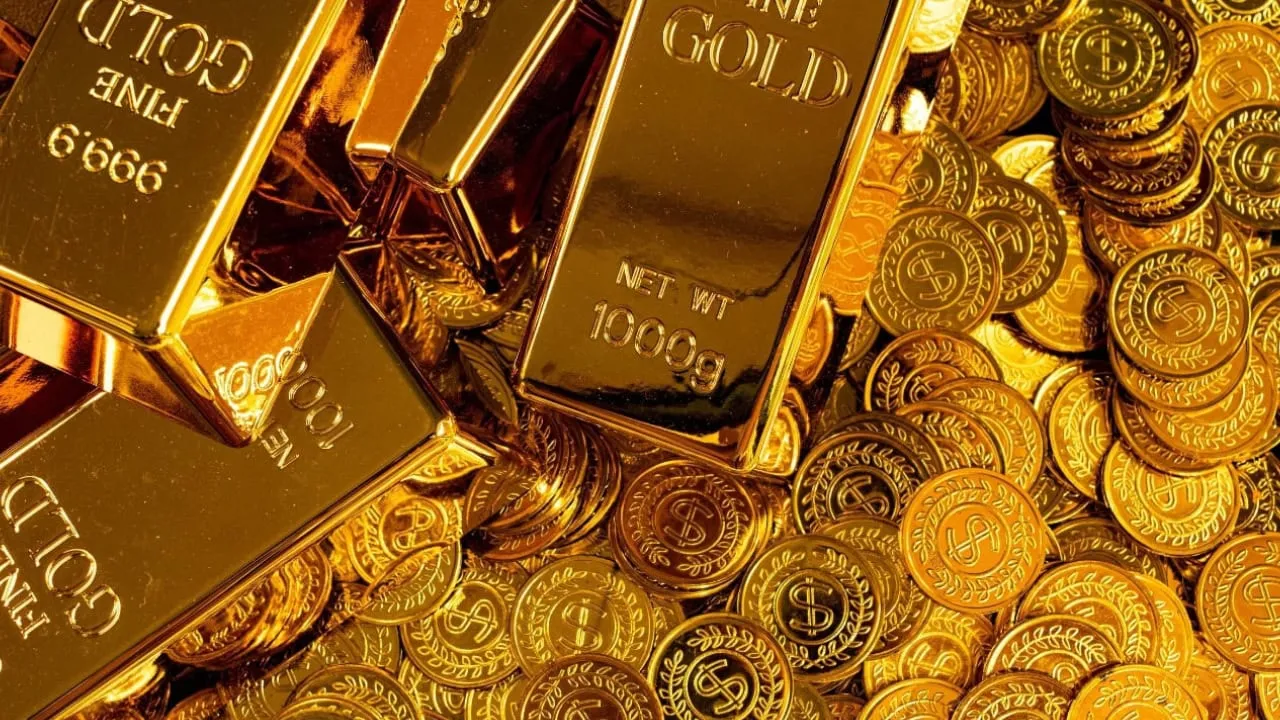
Stalled US-Iran negotiations are currently driving significant volatility in precious metals. President Trump recently demanded historical conflict compensation from Tehran. This demand effectively freezes ongoing peace talks. The sudden deadlock crushes any immediate hope of reopening the Strait of Hormuz. Consequently, spiking global oil prices fuel fresh inflation fears. Anxious investors aggressively buy gold and silver as safe-haven assets. In Pakistan, these international shocks push local prices of these assets sharply higher. Local Sarafa markets constantly adjust prices to absorb these macroeconomic hits.
Why the US-Iran Standoff Is Raising Precious-Metal Prices
The United States and Iran have been engaged in indirect talks for months, aiming to restore the 2015 nuclear agreement and to reopen the Strait of Hormuz, a narrow waterway that carries about a fifth of the world's petroleum. President Donald Trump's recent demand that Tehran pay "historical conflict compensation" - a phrase that has no legal basis in the existing agreements - halted the diplomatic track. Analysts say the demand is a political lever, not a financial one, but it has immediate market consequences.
When the Strait of Hormuz is perceived to be at risk, oil traders price in a supply-risk premium. Within hours of the announcement, Brent crude rose by more than $3 per barrel, while U.S. West Texas Intermediate (WTI) added roughly $2.80. Higher oil prices translate into higher input costs for manufacturers and transport operators, stoking inflation expectations in emerging markets that already face currency pressure.
How Inflation Fears Push Investors Toward Gold and Silver
Gold and silver have long been regarded as hedges against inflation and currency devaluation. When real yields turn negative - that is, when the return on safe-government bonds falls below inflation - investors shift capital into tangible assets that preserve purchasing power. The recent oil-price surge has pushed global inflation forecasts for 2024 upward by 0.4 percentage points, according to the International Monetary Fund.
In response, trading desks in New York, London and Hong Kong reported a spike in buy-side orders for physical bullion. Spot gold, which had been hovering around $3,900 per troy ounce, jumped to $3,983.60, while spot silver climbed to $51.652 per troy ounce. These moves set the stage for the domestic price reaction in Pakistan.
Pakistan's Local Gold and Silver Prices Today
Local Sarafa (bullion) markets in major Pakistani cities such as Karachi, Lahore and Islamabad adjust their rates several times a day to reflect international spot prices, exchange-rate movements and domestic demand. As of today, the rates are:
- Gold (24K) per tola: Rs. 414,768
- Gold (24K) per 10 grams: Rs. 355,602.60
- Gold (24K) per gram: Rs. 35,560.26
- Silver (24K) per tola: Rs. 5,376.44
- Silver (24K) per 10 grams: Rs. 4,609.51
- Silver (24K) per gram: Rs. 460.951
These figures represent a noticeable jump from yesterday's levels, where gold traded at roughly Rs. 398,000 per tola and silver at Rs. 5,120 per tola. The increase mirrors the 4.4% rise in international spot gold and the 5.1% rise in spot silver over the same period.
Understanding the Pricing Mechanism in Pakistani Bullion Markets
Pakistani bullion prices are not set by a single authority. Instead, they emerge from a combination of:
- International spot prices quoted in U.S. dollars per troy ounce.
- The prevailing USD-to-PKR exchange rate, which the State Bank of Pakistan updates multiple times daily.
- Local market premiums that reflect transportation costs, taxes, and dealer margins.
- Investor sentiment, especially during periods of geopolitical risk.
Dealers typically add a premium of 2-4% on top of the converted spot price to cover handling and storage. When oil prices spike, the premium often widens as demand for safe-haven assets intensifies.
Impact on Pakistani Consumers and Businesses
Higher gold and silver prices affect a broad cross-section of the economy. For ordinary citizens, buying gold jewelry - a cultural norm for weddings and festivals - becomes more expensive, squeezing household budgets. Small traders who sell gold ornaments may see reduced sales volume, even as their inventory value rises.
Conversely, investors and jewelers who hold physical bullion benefit from capital appreciation. The Pakistan Stock Exchange (PSX) also tracks a gold-linked index; a rise in bullion prices can lift related equities, offering a secondary benefit to portfolio managers.
Manufacturing sectors that use silver in electronics, solar panels and medical devices face higher input costs. Some firms may pass these costs onto consumers, contributing to broader price pressures.
What Comes Next: Monitoring the Situation
The immediate outlook hinges on two variables:
- Whether the United States and Iran resume substantive talks. A thaw could ease oil-price concerns, potentially lowering bullion premiums.
- The trajectory of the Pakistani rupee. A weaker rupee amplifies the dollar-denominated cost of gold and silver, while a stronger rupee could temper price gains.
Analysts advise watching the State Bank of Pakistan's daily exchange-rate bulletin, as well as weekly updates from the Pakistan Mint, which publishes official gold and silver rates for banks and large institutions.
Practical Takeaways for Readers
If you are considering buying gold or silver as an inflation hedge, note that:
- Prices are likely to stay volatile while US-Iran negotiations remain stalled.
- Purchasing smaller units (10-gram or 1-gram bars) may offer flexibility if the market corrects.
- Verify the dealer's certification; the Pakistan Bullion Association maintains a list of licensed sellers.
For those who already own bullion, keep an eye on the daily Sarafa rates and the USD-PKR exchange rate to gauge when to sell or hold.
Viewers can also check previous metal rates here: Gold Price & Silver Significantly Lower for Today
For live currency and crypto updates, visit our Crypto Page.





